
Check out what’s clicking on FoxBusiness.com.
Key Takeaways
- Significant Financial and Reputational Hit:The recall of 2.3 million units of Ricky Joy Sour Crush Rolling Liquid Candy represents a multi-million dollar direct cost in refunds, logistics, and potential legal fees, severely impacting The Ricky Joy Company’s profitability and brand image.
- Retailer Supply Chain Disruption & Risk:Major retailers like H-E-B and Walmart face immediate operational challenges in removing affected products, managing customer returns, and potential loss of consumer trust in the broader novelty candy category. This incident may prompt a re-evaluation of vendor vetting processes.
- Heightened Industry Scrutiny:This high-profile choking hazard recall is likely to trigger increased regulatory vigilance from the CPSC and compel other candy manufacturers, especially those with similar novelty or interactive products, to re-evaluate their product design, safety protocols, and quality control measures.
A sweeping recall impacting approximately 2.3 million units of sour candy bottles is sending ripples through the confectionery market, underscoring the critical importance of product safety in consumer goods and the potential financial and reputational fallout when lapses occur. Federal regulators have announced the recall of Ricky Joy Sour Crush Rolling Liquid Candy Bottles, citing a severe choking hazard that could lead to serious injury or even death, a development that carries significant implications for The Ricky Joy Company, its retail partners, and the broader candy industry.
The Consumer Product Safety Commission (CPSC) initiated the recall on Thursday, identifying the rolling ball applicator on the candy bottles as the defective component. “The rolling ball on the recalled candy bottles can detach, posing a risk of serious injury or death from choking hazard,” the commission explicitly warned, highlighting the gravity of the design flaw. This incident serves as a stark reminder to manufacturers about the paramount need for rigorous testing and quality assurance, particularly for products marketed to children, where the margin for error is non-existent.
POPULAR SQUISHY TOYS RECALLED OVER POTENTIALLY DEADLY WATER BEAD HAZARD
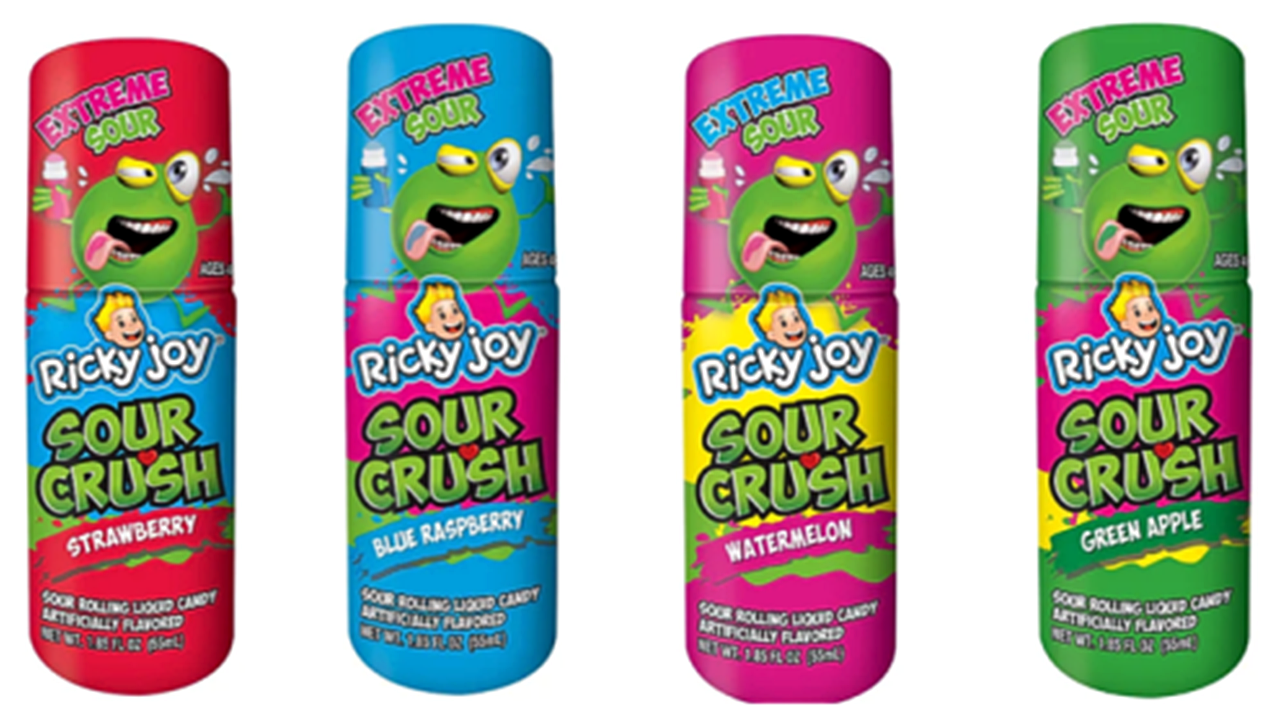
About 2.3 million sour candy bottles are facing a recall over a choking hazard that could lead to serious injury or death.(Consumer Product Safety Commission)
From a market perspective, the sheer volume of the recall—2.3 million units—translates into a substantial financial burden for The Ricky Joy Company. At an approximate retail price of $3 per bottle, the direct cost of refunds alone could approach $6.9 million, excluding the immense logistical expenses associated with retrieving, processing, and disposing of recalled products. Furthermore, the company will incur significant costs for public communication, legal counsel, and potential fines, all of which will undoubtedly strain its balance sheet and operational liquidity. For a private entity, such a hit can be severely detrimental, potentially impacting future investment, expansion plans, and even solvency. The reputational damage, often harder to quantify, could have long-term effects on brand loyalty and future sales, potentially pushing consumers towards more established and perceived-safer alternatives.
The recalled plastic candy bottles were widely distributed, sold individually and in multi-packs (three or 12 units) across various popular flavors including blue raspberry, strawberry, green apple, and watermelon. This broad market penetration, spanning brick-and-mortar giants like H-E-B and Forman Mill, as well as major online retailers such as Walmart, CandyFunHouse.com, and RickyJoy.com, significantly complicates the recall process. The expansive sales channels, which saw products sold from January 2023 through May 2026, mean a wider net must be cast to reach affected consumers, increasing the complexity and cost of the recall effort. This widespread distribution also underscores the difficulty in controlling product safety once items are released into the vast retail ecosystem.
CREAM CHEESE AND DELI SALADS RECALLED OVER POTENTIAL LISTERIA CONTAMINATION

The recall was initiated for Ricky Joy Sour Crush Rolling Liquid Candy Bottles because the rolling ball on the bottles can detach and become a choking hazard.(Consumer Product Safety Commission)
Retail partners, including publicly traded entities like Walmart, are not immune to the market fallout. While the direct financial impact on a conglomerate like Walmart might be negligible in the grand scheme of its multi-billion dollar operations, the logistical headache of removing 2.3 million units from shelves and warehouses, processing customer returns, and updating inventory systems is considerable. More importantly, there’s a significant reputational risk. Consumers might associate the safety lapse with the retailers carrying the product, potentially eroding trust in their curated product selections, particularly for children’s items. This could prompt major retailers to review their vendor vetting processes, potentially leading to more stringent safety audits and increased scrutiny on novelty candy suppliers before products even hit the shelves, thereby increasing compliance costs for manufacturers.
The bottles, containing 1.85 fluid ounces of sour liquid candy, are easily identifiable by the Ricky Joy logo, “EXTREME SOUR,” “SOUR CRUSH,” the flavor name, and an image of a green monster with its tongue sticking out. This distinctive branding, while typically an asset for market recognition, now becomes a symbol of the recall, embedding the incident more deeply in consumer memory. The average price point of about $3 per bottle or $13-$32 for a pack positions these as affordable, impulse-buy items, often purchased for or by children, which only amplifies the safety concern and the public’s emotional response to the recall.
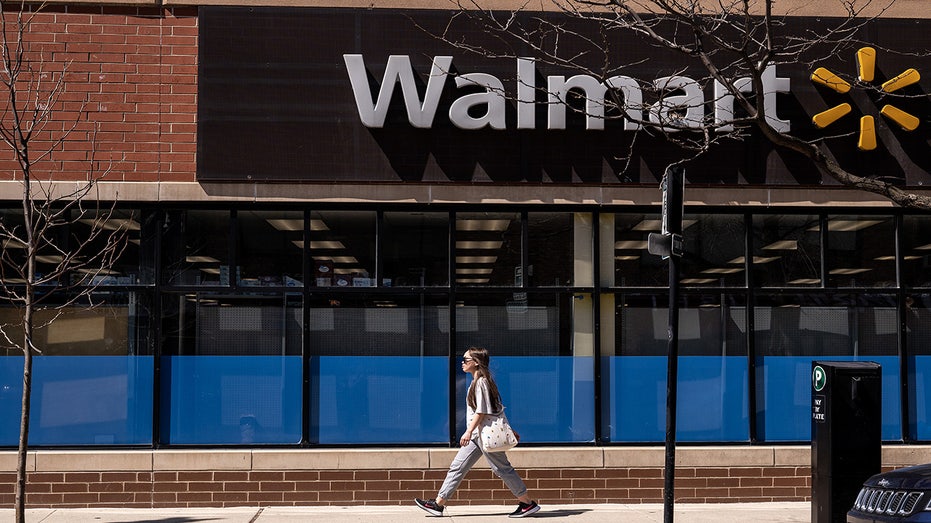
The recalled candy bottles were sold at H-E-B, Forman Mill and other candy stores nationwide, as well as online at Walmart, CandyFunHouse.com, RickyJoy.com and other online retailers.(Christopher Dilts/Bloomberg via Getty Images / Getty Images)
Interestingly, no injuries have been reported thus far in connection with this specific recall effort. While this is positive news from a public health perspective, it does not diminish the financial or reputational damage. The proactive nature of the recall by the CPSC and The Ricky Joy Company indicates a commitment to mitigating potential harm, but the very existence of such a widespread hazard highlights systemic vulnerabilities in product development and testing within the industry. It raises critical questions about whether current safety standards are sufficient for novel candy designs and if manufacturers are adequately stress-testing components that could pose a choking risk to children, especially given the diverse ways children interact with such products.
CLICK HERE TO GET FOX BUSINESS ON THE GO
Beyond the immediate corporate and retail challenges, this recall sends a broader warning to the entire confectionery sector. Companies specializing in novelty or interactive candies, especially those with small, detachable parts, will likely face heightened scrutiny. This could lead to a sector-wide review of product designs, manufacturing processes, and quality control checkpoints, potentially increasing production costs as companies invest more in safety assurance. Investors in publicly traded food and beverage companies might also become more sensitive to product safety announcements, factoring in potential recall risks when evaluating company valuations and operational efficiencies. The incident serves as a costly lesson in the non-negotiable imperative of consumer safety, particularly when products are intended for vulnerable populations, emphasizing that product design must foresee all possible modes of interaction, not just the intended ones.
Consumers are strongly urged to cease using the candy bottles immediately, ensure they are kept away from children, and contact The Ricky Joy Company for a full refund. This directive is crucial not only for safety but also for the company’s ability to minimize its legal liability and demonstrate responsible corporate action, which can be a key factor in future brand perception and recovery efforts.
Market Impact
The Ricky Joy Sour Crush recall will have a multi-faceted market impact, extending beyond the immediate logistical nightmare. For The Ricky Joy Company, this likely translates into a substantial, possibly existential, financial hit from refunds, recall management, and brand rehabilitation efforts. Its market share in the novelty candy segment could suffer long-term erosion as consumer trust diminishes, potentially leading to reduced shelf space at major retailers. Retailers, while less directly impacted financially, will face increased operational costs and may re-evaluate their sourcing strategies for similar products, potentially leading to stricter vendor requirements across the industry. More broadly, the incident is expected to intensify regulatory oversight from agencies like the CPSC, prompting a sector-wide re-evaluation of product safety standards, especially for children’s confectionery. This could foster a more cautious innovation environment within the novelty candy market, prioritizing safety over unique designs, and potentially shifting consumer preferences towards more traditional, less interactive candy formats. For investors, this recall reinforces the importance of robust ESG (Environmental, Social, and Governance) factors, with product safety and corporate responsibility becoming even more critical metrics for assessing long-term company viability and stock performance in the consumer goods sector.