
Key Takeaways:
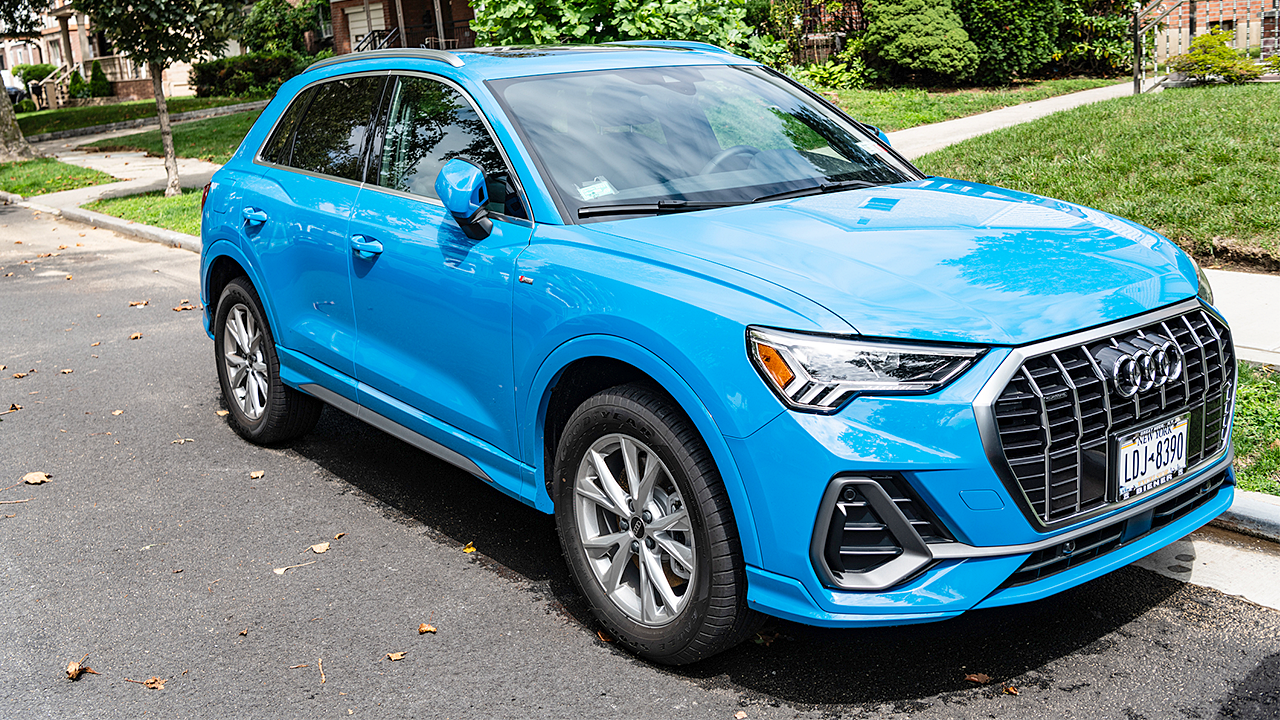
- Significant Recall Scope:Volkswagen Group of America is recalling over 208,000 popular SUV models, including certain 2018 Tiguan, 2018-2019 Atlas, and 2019-2021 Audi Q3 vehicles, highlighting a broad quality control challenge for the automotive giant in key market segments.
- Critical Safety Defect:The recall addresses a steering rack mounting bolt susceptible to corrosion and fracture, presenting a severe risk of sudden loss of steering control. While no crashes, injuries, or deaths have been reported, the proactive measure underscores the industry’s heightened focus on pre-emptive safety interventions.
- Operational and Reputational Costs:The resolution involves replacing the affected bolts with a more corrosion-resistant alternative at no cost to owners, incurring substantial logistical and financial outlays for Volkswagen. Beyond direct expenses, the incident poses a challenge to brand trust and consumer confidence in a highly competitive automotive landscape.
Check out what’s clicking on FoxBusiness.com.
Wolfsburg’s Latest Challenge: Steering Rack Recall Tests Volkswagen’s Market Fortitude Amidst Supply Chain Headwinds
In a move that sends ripples through its North American operations and potentially impacts investor sentiment, Volkswagen Group of America has initiated a substantial recall affecting more than 208,000 vehicles in the U.S. The recall, centered on a critical steering rack mounting bolt prone to corrosion and potential fracture, underscores the persistent quality control challenges facing even the most established global automotive manufacturers. For a company navigating an ambitious pivot to electric vehicles and battling fierce competition, this development serves as a stark reminder of the foundational importance of mechanical reliability and consumer trust.
The National Highway Traffic Safety Administration (NHTSA) announced the recall, which specifically targets a broad swath of Volkswagen’s and Audi’s most popular SUV offerings: certain 2018 Tiguan, 2018-2019 Atlas, and 2019-2021 Audi Q3 vehicles. These models represent significant volume drivers for the German automaker in the lucrative American market, where consumer preference has decisively shifted towards SUVs and crossovers. The Tiguan and Atlas, in particular, have been instrumental in bolstering VW’s market share and profitability in recent years, making any widespread defect a matter of immediate financial and strategic concern.
Manufacturing timelines indicate the affected Tiguan vehicles were produced from March 22, 2017, through June 18, 2018; Atlas vehicles from Nov. 30, 2016, through Sept. 22, 2018; and Audi Q3 vehicles from May 21, 2019, through July 16, 2021. This broad manufacturing window suggests a potential long-standing issue with a specific component or material batch, highlighting the complexities of global automotive supply chains and the stringent quality assurance protocols required at every stage.
FORD RECALLS MORE THAN 223,000 VEHICLES OVER FUEL TANK ISSUE
Volkswagen is recalling more than 208,000 vehicles in the U.S. over a steering rack mounting bolt that may corrode and break that could break and cause a loss of steering control.(Getty Images / Getty Images)
At the heart of the recall is a design flaw where moisture can infiltrate the area surrounding the right-side mounting bolt on the steering rack. Over time, this exposure leads to corrosion, weakening the bolt. Should the bolt head fracture, the steering rack could become critically compromised, remaining attached to the vehicle’s subframe at only one mounting point. The NHTSA warns that continued mechanical stress could then cause the steering rack housing itself to fracture, culminating in a potentially catastrophic loss of steering control for the driver. Such a scenario presents an extreme safety hazard, significantly elevating the risk of a crash.
While the immediate financial implications for Volkswagen will include the costs associated with parts replacement, labor, logistics, and customer notification, the long-term impact on brand equity is often more challenging to quantify. In a market segment where safety and reliability are paramount purchase drivers, such a fundamental defect can erode consumer confidence and potentially steer prospective buyers towards rival brands. This is particularly salient for Audi, Volkswagen’s premium marque, where brand perception is intricately linked to engineering excellence and uncompromising quality. The current recall serves as a critical test of Volkswagen Group’s crisis management capabilities and its commitment to rapid, transparent customer resolution.
CHRYSLER RECALLS NEARLY 75K SUVS OVER PARTS THAT COULD DETACH WHILE DRIVING
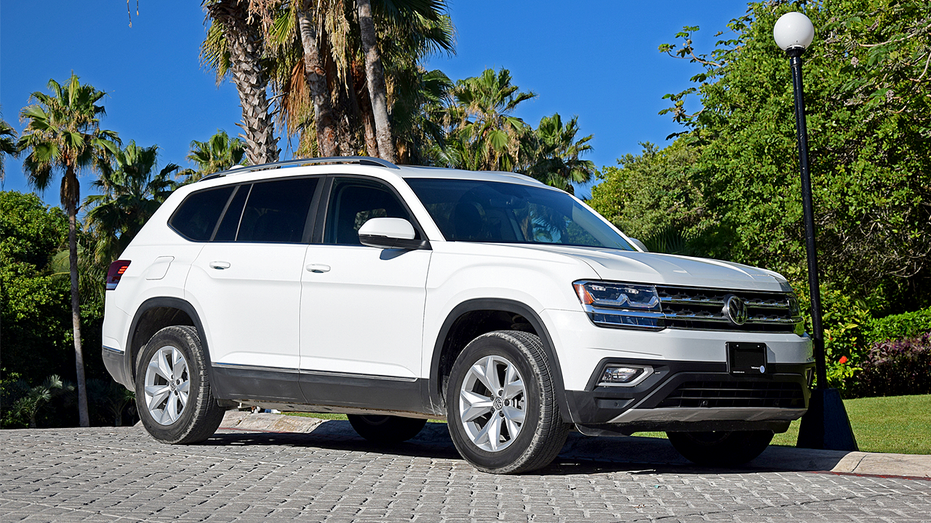
The recall affects a total of 208,724 SUVs, including certain 2018 Tiguan, 2018-2019 Atlas and 2019-2021 Audi Q3 vehicles.(Getty Images / Getty Images)
Encouragingly, both Volkswagen and Audi have confirmed they are not aware of any crashes, fires, injuries, or deaths directly linked to this specific defect. This absence of reported incidents allows the company to execute the recall as a proactive safety measure rather than a reactive crisis response, which can mitigate the immediate negative market reaction. However, the sheer volume of affected vehicles and the severity of the potential malfunction ensure that this issue will remain a focal point for regulatory bodies and consumer advocates.
The proposed remedy is straightforward: dealers will replace the existing right steering rack mounting bolt with a new bolt featuring a highly corrosion-resistant polymer coating. This engineering upgrade is designed to provide superior protection against the environmental factors that led to the original defect, aiming for a permanent resolution. The repair will be performed at no cost to vehicle owners, aligning with standard industry practice for safety-related recalls. Owner notification letters are slated to be mailed out on November 10, initiating the logistical challenge of scheduling and executing repairs across a vast dealership network.
Volkswagen and Audi said they are not aware of any crashes, fires, injuries or deaths linked to the defect.(Getty Images / Getty Images)
The Volkswagen recall comes on the heels of similar, albeit different, safety advisories from other major automakers, including Ford’s recall of over 223,000 vehicles for a fuel tank issue and Chrysler’s recall of nearly 75,000 SUVs over parts that could detach while driving. This confluence of large-scale recalls across the industry highlights the ongoing pressures on automotive manufacturers to maintain rigorous quality control amidst complex global supply chains, increasing component sophistication, and evolving material specifications. For investors, these incidents serve as a reminder that while the industry innovates at a rapid pace towards electrification and autonomous driving, fundamental mechanical integrity remains a core pillar of valuation and market confidence.
CLICK HERE TO GET FOX BUSINESS ON THE GO
Market Impact:
This recall, while not immediately tied to reported incidents, introduces a new layer of operational expenditure and potential brand erosion for Volkswagen Group. Investors will closely monitor the cost of remediation, which could run into tens of millions of dollars, impacting short-term earnings and warranty provisions. More critically, the recall’s effect on consumer trust in VW and Audi’s SUV lines—key profit drivers—will be a bellwether for future sales performance in a cutthroat market. While the stock may see a modest dip reflecting these costs and reputational concerns, Volkswagen’s robust financial position and proactive handling are likely to prevent a prolonged market downturn. However, persistent quality issues across the auto sector raise broader questions about supply chain resilience and material science in an era of rapid technological transition, potentially increasing scrutiny on all OEMs from both regulators and shareholders.