

Evercore ISI senior managing director Mark Mahaney joins ‘Varney & Co.’ to share his top three large-cap stock picks, highlighting Amazon, Meta Platforms, and Spotify and gives his earnings season expectations.
Key Takeaways for Investors:
- **Enhanced Regulatory Scrutiny:** This recall underscores the heightened regulatory risk within the dietary supplement market, particularly for infant-targeted products, potentially leading to broader FDA investigations and increased compliance costs across the sector.
- **Brand and Platform Reputational Risk:** While Pacific Health Sciences is private, its distributors like Amazon and Secrets of Tea face indirect reputational damage, emphasizing the critical need for robust third-party seller vetting and quality control protocols in e-commerce.
- **Supply Chain Vulnerabilities:** The incident highlights the inherent vulnerabilities in outsourced manufacturing and distribution channels, prompting investors to assess companies’ resilience and transparency in their supply chains to mitigate future recall-related financial and brand impacts.
NEW YORK –A significant product recall in the highly sensitive infant care market is drawing attention to regulatory oversight, supply chain integrity, and the enduring risks faced by both manufacturers and major e-commerce platforms. Pacific Health Sciences is voluntarily recalling one lot of its Babies’ Magic Tea brand Baby Sleep Gripe Water, a dietary supplement sold online, after federal testing revealed undeclared and potentially harmful alcohol compounds.
The recall, announced on October 6 and published by the U.S. Food and Drug Administration (FDA) the following day, pertains to Lot 25122bw, which carries a best-before date of December 2028. This incident, while specific to a single product and lot, serves as a potent reminder for investors about the potential for unexpected liabilities, reputational damage, and the broad ripple effects across the consumer packaged goods (CPG) sector, especially for products aimed at vulnerable populations.
The affected product is packaged in a 4-ounce amber bottle, housed within a distinctive blue cardboard box complete with an oral syringe. The critical lot number can be located on the bottom of the box and a side panel of the bottle. The recall’s financial implications, though difficult to quantify precisely for a privately held manufacturer like Pacific Health Sciences, extend beyond mere product replacement costs. They encompass potential fines, legal liabilities, and lasting damage to brand equity – an intangible asset that can take years to rebuild.
WALMART EXPANDS DRONE DELIVERY TO 2 MAJOR US CITIES
Parents and caregivers are being urged to stop using a baby product sold online after testing found undeclared alcohol.(U.S. Food and Drug Administration)
Marketed with claims of aiding “better sleep” and providing relief from common infant ailments such as gas, bloating, constipation, and acid reflux, the product’s undisclosed ingredients pose a substantial health risk. FDA testing identified approximately 8.3% ethanol, 0.35% methanol, and 0.48% isopropanol in the recalled gripe water – none of which were disclosed on the product label. The presence of these substances in an infant-targeted product is particularly alarming, raising questions about manufacturing processes and quality control standards within the dietary supplement industry.
“These substances were not listed on the label,” the notice states. “Their presence may pose a risk depending on the amount consumed and the age and body weight of the person using the product.” For investors, such incidents highlight the importance of scrutinizing companies’ adherence to regulatory frameworks and their capacity for rigorous product testing. A lapse in this area can lead to severe operational disruptions and significant financial penalties.
MORE THAN 265K RAM VEHICLES FACING RECALL OVER STEERING DEFECT, REGULATORS SAY
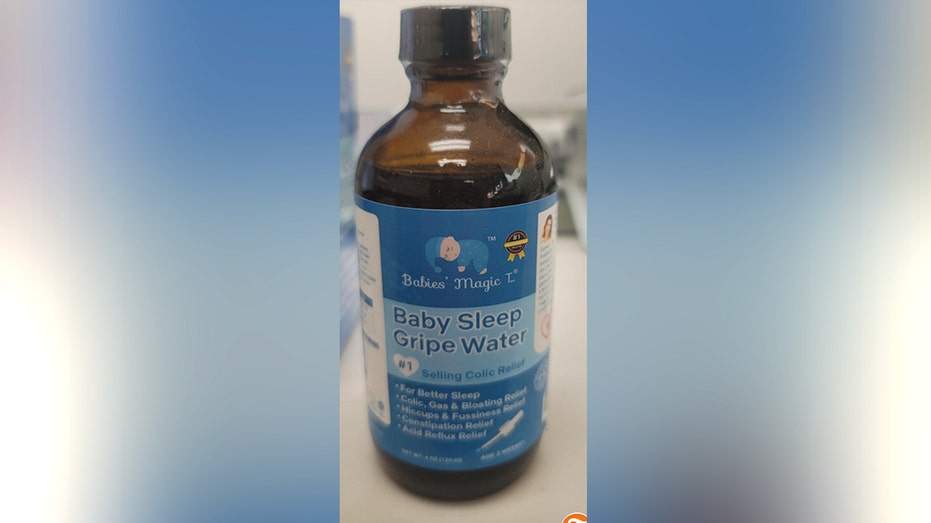
FDA testing found the recalled product contained approximately 8.3% ethanol, 0.35% methanol and 0.48% isopropanol, none of which were listed on the label.(U.S. Food and Drug Administration)
The company itself warned of potential adverse effects, stating that exposure to the amounts recommended on the packaging could induce drowsiness, impaired coordination, behavioral changes, nausea, vomiting, and abdominal pain. More critically, the notice added, “Organic alcohols such as ethanol, methanol, and isopropanol are known to impair normal functioning of the central nervous system, while infant ethanol exposure has been linked to long-term developmental consequences.” The statement further cautioned that “Exposure to higher amounts can increase risk of respiratory depression and other serious adverse health consequences.” This level of risk not only triggers immediate public health concerns but also opens the door to potential class-action lawsuits, substantial legal fees, and protracted reputational battles for all involved parties.
As of the recall notice, Pacific Health Sciences had not received any reports of adverse events directly linked to the recalled lot. While this may mitigate immediate legal pressures, the proactive nature of the FDA’s testing and subsequent recall underscores a tightening regulatory environment, particularly for health-related products sold to consumers online. This trend suggests that companies operating in this space must allocate increased resources to compliance and quality assurance to avoid similar costly missteps.
CHILI PEPPER RECALLED AFTER VIDEO CAPTURES WOMAN’S HORRIFYING DISCOVERY INSIDE JAR

The affected gripe water was distributed to Secrets of Tea and later sold through online retailers, including the Secrets of Tea website and Amazon.(iStock)
The distribution channels for the affected gripe water amplify the market context of this recall. It was initially distributed to Secrets of Tea and subsequently sold through prominent online retailers, including the Secrets of Tea website and Amazon. For Amazon, a global e-commerce giant, such recalls, even for third-party sellers, raise questions about platform responsibility and vendor vetting processes. While Amazon’s stock may not be directly impacted by a single small-scale recall, a pattern of such incidents could invite greater scrutiny from regulators regarding its marketplace operations and potentially lead to increased compliance burdens for all sellers on its platform. This could manifest in stricter listing requirements, more intensive product testing mandates, and higher operational costs for third-party vendors, ultimately impacting Amazon’s vast ecosystem of sellers.
CLICK HERE TO GET FOX BUSINESS ON THE GO
Consumers who have purchased the recalled product are advised to cease use immediately and either dispose of it or return it for a refund. Furthermore, anyone experiencing symptoms after using the product should seek medical attention and contact Pacific Health Sciences. For investors monitoring the CPG and e-commerce sectors, this incident reinforces the importance of due diligence into a company’s product safety protocols, supply chain transparency, and adaptability to evolving regulatory landscapes. Pacific Health Sciences could not immediately be reached by FOX Business for comment, leaving further questions about the origin of the undeclared alcohols and the company’s internal control mechanisms unanswered.
Market Impact:
This recall, while specific, sends a cautionary signal across the dietary supplement and broader CPG industries, particularly those leveraging online distribution channels. For publicly traded companies in these sectors, increased regulatory scrutiny stemming from such incidents could translate into higher operational costs associated with enhanced testing, compliance, and supply chain management. Investors may anticipate a temporary erosion of consumer confidence in certain “natural” or “supplement” categories, potentially shifting market share towards larger, more established brands perceived to have more robust quality control. E-commerce platforms like Amazon might face renewed pressure to strengthen their vetting processes for third-party sellers, potentially leading to stricter vendor onboarding and monitoring policies. This could, in turn, affect the profitability and growth prospects of smaller, niche brands reliant on these platforms. In the long run, this event underscores the market’s growing demand for transparency and accountability from manufacturers and distributors, making resilient supply chains and impeccable product safety paramount for sustained shareholder value.