
Defence Ministry Confirms No Guidance or Conditions Issued to Universities on Managing Campus Protests Over Defence Links
The United Kingdom’s Ministry of Defence (MoD) has confirmed it has not provided specific guidance or attached conditions to universities participating in the Defence Universities Alliance (DUA) concerning the management of campus protests. These protests specifically target universities’ membership in the alliance or their broader collaborations with the defence sector, according to official answers provided in Parliament.
The clarification came in response to two questions tabled by Jeremy Corbyn, the Member of Parliament for Islington North. Mr. Corbyn sought to ascertain what guidance, if any, is issued to universities within the alliance regarding the handling of campus protests opposing their membership or links to the defence sector. He also inquired about any conditions or expectations placed on participating universities concerning campus protest management or reputational protection.
Luke Pollard, the Minister for Defence Industry and Readiness, addressed these inquiries in the House. Responding to the first question, Minister Pollard stated,“The Ministry of Defence has not issued guidance to Defence Universities Alliance (DUA) members on how to handle campus protests over their membership or any wider links with the defence sector.”
On the second point, regarding conditions or expectations, Minister Pollard reiterated the MoD’s position of non-intervention:“The Ministry of Defence has not attached conditions or expectations on how Defence Universities Alliance (DUA) members manage campus protests.”He further elaborated on the commitments undertaken by universities through their participation in the DUA.“Through the signing of the DUA Charter, members have committed to supporting the growth of defence research and ensuring defence industry careers and skills are represented as part of a balanced portfolio of careers guidance, supporting improved collaboration between the sectors.”The Minister also affirmed,“The DUA protects freedom of speech as set out in the DUA Charter for all members.”
The Defence Universities Alliance was established with the explicit aim of fostering stronger connections between the Ministry of Defence and academic institutions. Its core objectives include enhancing defence-related research, developing critical skills pertinent to the defence industry, and promoting defence careers among university students. Membership in the DUA is formalised by signing the DUA Charter, a document that outlines these key commitments, including the active support for expanding defence research capabilities and the balanced representation of defence industry career opportunities within university career guidance services.
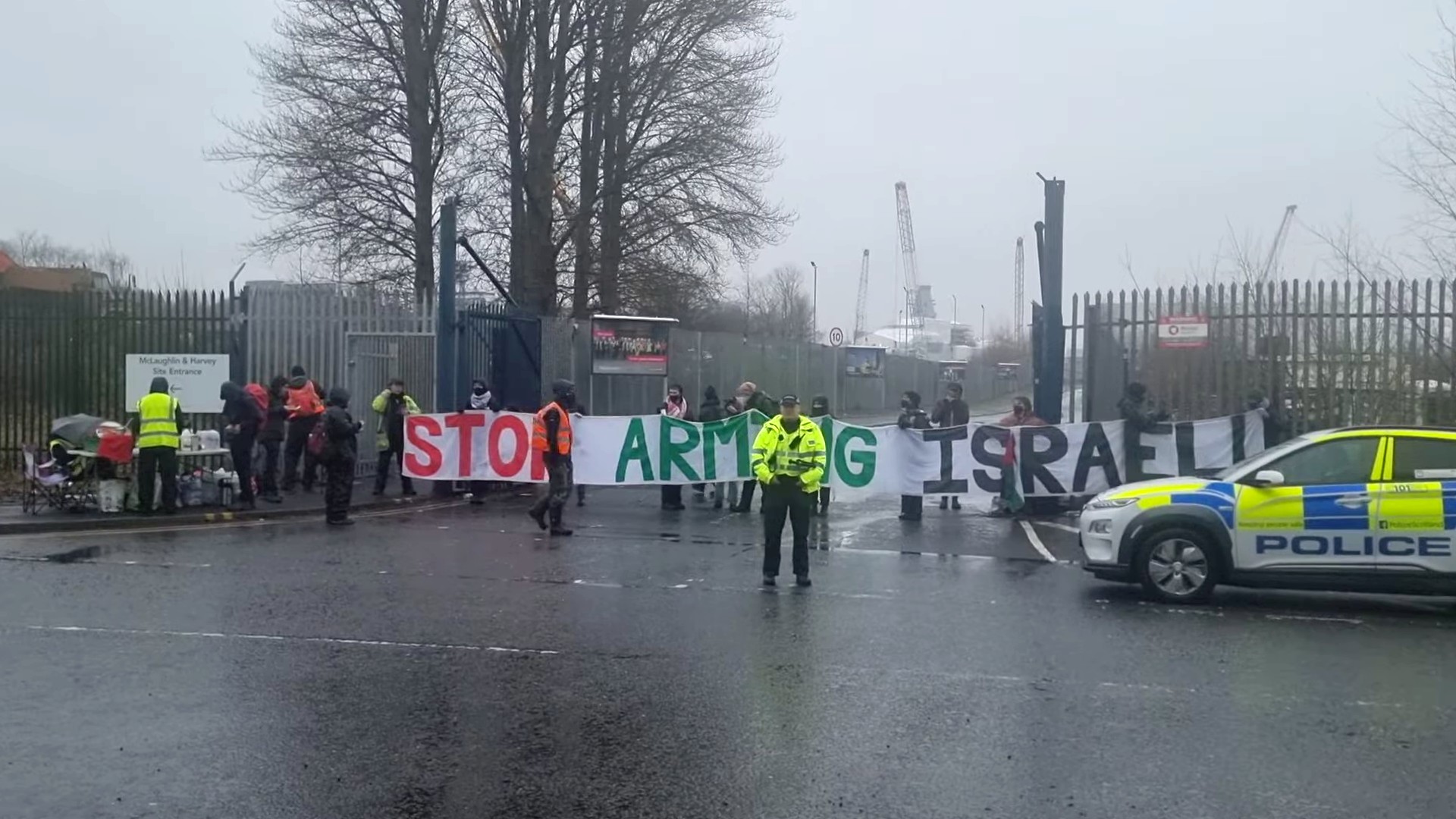
The parliamentary questions arise amidst a discernible increase in student activism across British university campuses since 2023. These protests, frequently taking the form of encampments, sit-ins, and occupations, specifically target universities’ financial investments in, and research partnerships with, companies perceived to be part of the defence sector. Student groups involved in these actions often call for divestment from such companies, greater transparency regarding university funding and research collaborations, and the severing of all ties with the defence industry. In response to this sustained pressure, several universities have initiated reviews of their investment portfolios and research arrangements to address student concerns.
Beyond the DUA Charter’s provisions, all universities in the UK are bound by statutory duties concerning freedom of speech. These duties are enshrined in the Higher Education (Freedom of Speech) Act 2023, which mandates that higher education providers must take steps to secure freedom of speech within the law for their students, staff, and visiting speakers. These legal obligations apply universally to universities, irrespective of their specific research partnerships or affiliations, including their involvement with alliances like the DUA.
Earlier this month, another parliamentary inquiry shed further light on the nature of DUA membership. John McDonnell, the Member of Parliament for Hayes and Harlington, established that participation in the alliance does not entail any direct departmental funding from the Ministry of Defence. This publication previously reported on the absence of direct financial incentives associated with DUA membership, indicating that universities engage with the alliance based on shared strategic interests rather than immediate monetary gain.
Why This Matters
The Ministry of Defence’s declaration that it offers no guidance or imposes no conditions on how universities manage protests over defence links carries significant implications for various stakeholders, from academic institutions and student bodies to the defence sector and national policy. It underscores a deliberate approach by the MoD to respect university autonomy while navigating complex issues of academic freedom, national security, and public accountability.
Firstly, for **universities**, this stance places the sole responsibility for managing campus protests squarely on their shoulders. While it affirms their independence and right to self-governance, it also means they must develop and implement their own strategies for balancing students’ rights to protest and freedom of expression with the need to maintain order, ensure campus safety, and protect institutional reputation. Universities are already grappling with their statutory duties under the Higher Education (Freedom of Speech) Act 2023, which requires them to uphold free speech within the law. The absence of MoD guidance means institutions must independently interpret how these duties apply in the context of potentially disruptive protests targeting their defence sector engagements.
Secondly, for **student activists**, this confirms that their protests are primarily a matter for university administrations to address, rather than a direct engagement with the Ministry of Defence. It highlights the power of student movements to influence institutional policy and spark public debate on ethical investment, research partnerships, and the role of academia in national defence. The ongoing encampments and occupations demonstrate students’ commitment to these issues, pushing universities to re-evaluate their relationships with the defence sector.
Thirdly, for the **defence sector and national security**, the DUA plays a crucial role in fostering innovation, developing skilled personnel, and ensuring the UK’s technological edge. Universities are vital partners in defence research, contributing to advancements that protect national interests. The protests, and the MoD’s hands-off approach to their management, mean that the continuity and public perception of these collaborations largely depend on how individual universities navigate internal and external pressures. The DUA charter’s emphasis on supporting defence research and careers reflects the strategic importance placed on these academic links by the government.
Finally, for **government oversight and public discourse**, the parliamentary questions raised by MPs like Jeremy Corbyn and John McDonnell highlight the importance of scrutiny in a democratic society. These inquiries bring transparency to the relationship between the MoD and academia, revealing the official position on sensitive issues like protest management. The MoD’s commitment to the DUA Charter’s protection of freedom of speech, alongside universities’ statutory duties, underscores a broader societal commitment to open debate, even on contentious topics involving national defence and global conflicts. The lack of direct funding for DUA membership also clarifies the nature of these partnerships, indicating a collaborative, strategic alignment rather than a client-contractor relationship.
In essence, the MoD’s non-interventionist stance reflects a complex interplay of university autonomy, freedom of speech principles, and strategic national interests, leaving universities to chart their own course in an increasingly scrutinised and politically charged environment.