
UK Bolsters Wildfire Response with Permanent Aerial Firefighting Capability and Comprehensive Strategy
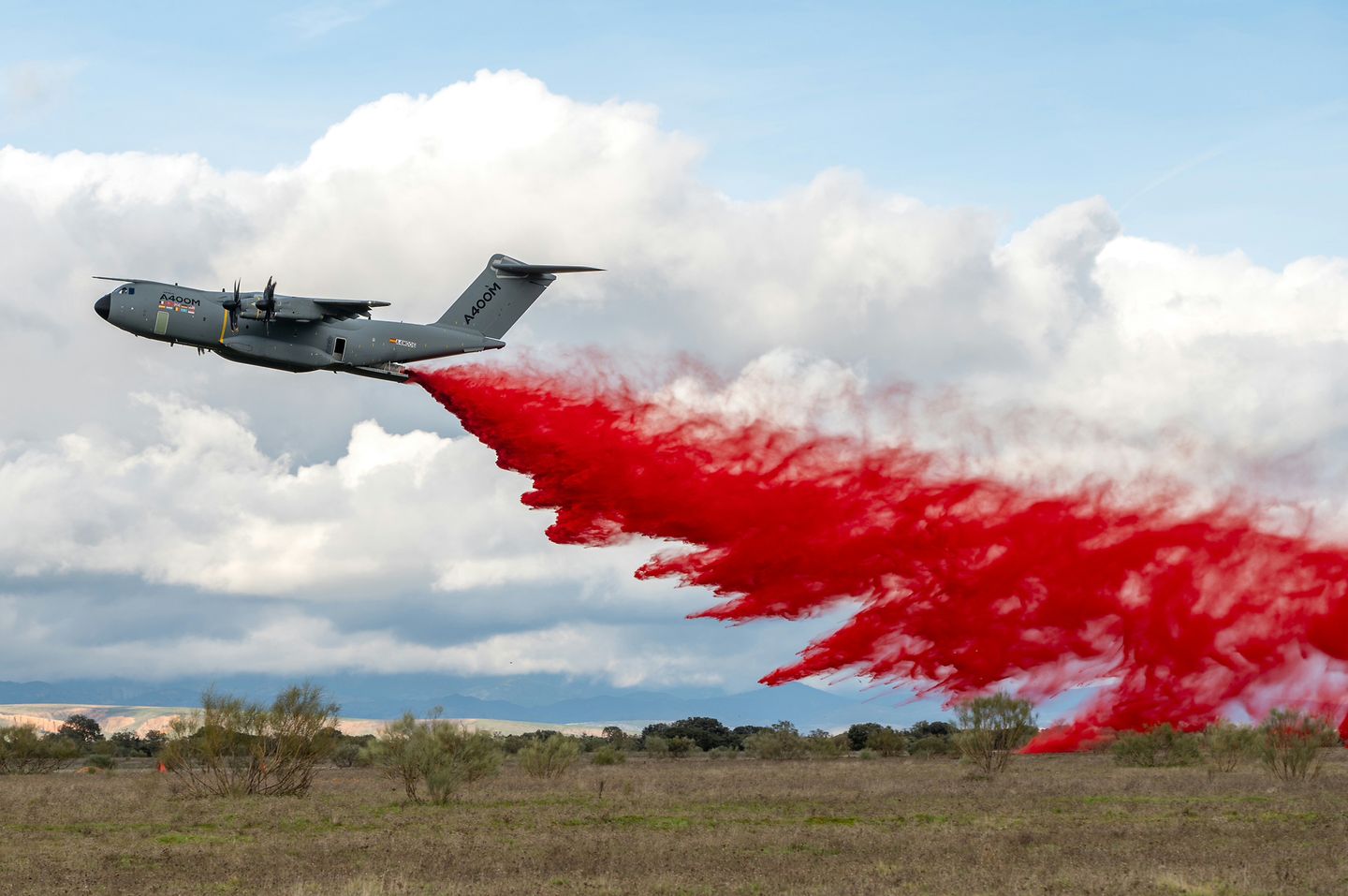
The United Kingdom government has announced that the Royal Air Force (RAF) will equip its Chinook helicopters and A400M Atlas transport aircraft to engage in aerial firefighting operations. This initiative will establish a permanent, UK-based aerial firefighting capability for the first time, significantly enhancing the nation’s capacity to respond to increasing wildfire threats.
Defence Secretary Wes Streeting confirmed the move, stating, “As the threat of wildfires in the UK grows, defence will step up to provide greater support to our emergency services and protect military training areas across the country.” He elaborated that this development would see RAF Chinook helicopters and A400M aircraft fitted with “new specialist firefighting equipment to enable them to tackle wildfires from the skies for the first time.”
This decision marks a significant shift in government policy. Just six weeks prior, on September 9th, Defence Minister Louise Sandher-Jones had responded to a parliamentary question from Neil Duncan-Jordan, the Labour Member for Poole, regarding the adaptation of the A400M fleet for water carriage. Her published answer then indicated that “responsibility for responding to wildfires in the UK rests with the relevant civil authorities and emergency services” and, while acknowledging awareness of the Airbus A400M aerial firefighting system under development, concluded, “the Department has no plans to adapt the RAF A400M Atlas fleet for aerial firefighting purposes.” This prior position had been widely reported at the time.
Pressure for enhanced aerial firefighting capabilities intensified throughout the recent summer, which was the United Kingdom’s hottest on record. A notable incident occurred on July 15th, when a wildfire near Glenmore in the Cairngorms burned approximately thirty square kilometers of heather, woodland, and conservation land. During this period, the UK government offered military helicopters for heavy lifting support; however, the Scottish government declined the offer. Neil Gray, the Scottish Justice Secretary, explained that the immediate requirement on the ground was for waterbombing helicopters, a capability he noted the military did not possess, and that all commercial waterbombing aircraft in the country were already committed. This contrasted with an earlier incident in July 2023, where Royal Air Force Chinooks from 1310 Flight had successfully deployed Bambi buckets, dropping around 450 tonnes of water on a Cypriot wildfire while operating from Akrotiri.
The Prime Minister underscored the urgency of the new measures, reflecting on personal experiences: “Crews will now have the kit they need to stay safe and military aircraft will stand ready to help tackle wildfires from the sky. We cannot put people through another summer like this one.”
Beyond the aerial capability, the government announced a comprehensive package of measures designed to bolster wildfire preparedness and response. Firefighters in England are set to receive additional specialist wildfire teams and new lightweight personal protective equipment (PPE), backed by up to £45 million. This new PPE is specifically designed for prolonged use in wildfire environments, offering a lighter and more breathable alternative to existing gear primarily built for structural fires.
Communities Secretary Angela Rayner acknowledged the profound impact of recent events, stating, “The wildfires we’ve faced this year have been unrelenting, leaving a devastating impact on communities, homes and our precious countryside.” She added that the government had “heard loud and clear from communities, experts and emergency services that more needs to be done,” leading to “immediate action now, while working across government and the sector to build a stronger, more resilient national response to wildfires for the future.”
In terms of prevention, the government will invest £25 million into restoring dried-out peatlands across England. These efforts aim to enhance the peatlands’ water retention capacity, allowing them to function as natural firebreaks. Farmers will also receive financial support to implement fireproofing measures on their land, including digging ponds and clearing combustible materials in high-risk areas. The new Peatland Restoration Grant Scheme, to be administered by Natural England, is slated to operate from April 2027 to April 2029. Additionally, ministers are examining the implementation of tougher local restrictions and bans on specific products to prevent fires during periods of high risk.
Dame Angela Eagle, the Environment Secretary, highlighted the role of nature in prevention, stating, “The wildfires that tore through our countryside this summer showed the urgent need to adapt to our changing climate. Nature is our greatest ally in preventing wildfires starting in the first place, with healthy landscapes keeping more moisture in the ground to stop fires spreading.” She emphasized the rationale behind the investment, saying, “That’s why we are stepping in and investing £25 million to restore peatlands as well as backing farmers to deliver natural fire safety measures on their land.”
Further strengthening the national response, a Wildfires AI Unit will be established within the National Situation Centre in COBR (Cabinet Office Briefing Rooms). This unit will foster collaboration among universities, technology firms, and government departments to improve the speed of fire detection and suppression. The government also plans to work closely with the Met Office to develop enhanced wildfire forecasts and risk assessments, and to create England’s first comprehensive Wildfire Action Plan, covering prevention, preparedness, response, and recovery. Collaboration with devolved governments will be intensified through an interministerial meeting to coordinate expertise and ensure a cohesive response across all four nations.
First Secretary of State Louise Haigh commented on the technological aspect, stating, “The UK has world-leading expertise in the application of new technologies to track and tackle wildfires. By bringing together the work of the National Situation Centre, leading academic institutions and our international partners, we are building a centre of excellence at the heart of government that will share best practice and strengthen our national preparedness.” Katie White, the Minister for Climate Transition, underscored the immediate relevance of climate change: “Anyone who thinks climate change is a problem for our children and grandchildren, rather than here and now, should spend a shift with a firefighter… The threat is already here, staring us in the face.”
Civil fire and rescue services across the UK will continue to request firefighting support through the established Military Aid to the Civil Authorities (MACA) process. The Ministry of Defence (MOD), being the second-largest landowner in the United Kingdom, has a vested interest in developing its own aerial firefighting capabilities to manage the increased wildfire risk facing its extensive training areas and estates.
The announcement coincided with a summit where the Prime Minister engaged with fire chiefs, local leaders, and experts. Representatives from Airbus, Google, and VodafoneThree were also in attendance, showcasing how satellite monitoring, early warning systems, connectivity, and aerial capabilities can aid communities in preparing for and responding to wildfires. Kata Escott, Managing Director of Airbus Defence and Space UK and Head of UK Public Affairs, highlighted their contribution: “Today’s Wildfire Summit is an important step toward strengthening wildfire preparedness and prevention in the UK. With our life saving capabilities, we are supporting the UK effort in the air, in the digital domain, and with our early warning assets in space.”
The Met Office has indicated that climate change made the extreme heat experienced during the recent summer approximately 130 times more likely. This context was further reinforced by the first meeting of the government’s Climate and Nature Security Taskforce last month, established to identify significant climate and nature security risks and inform the government’s strategic approach to them.
Why This Matters
The United Kingdom’s decision to establish a permanent, domestic aerial firefighting capability with RAF assets, coupled with a comprehensive package of prevention and response measures, represents a significant evolution in its approach to environmental and national security challenges. This initiative addresses an increasingly pressing issue: the growing threat of wildfires, exacerbated by climate change, which has led to record-breaking temperatures and devastating land destruction. Previously, the UK relied primarily on civilian services and, in extreme cases, international or ad-hoc military support, often facing limitations in immediate waterbombing capacity. This new strategy ensures a dedicated, rapid-response asset is permanently available within the UK.
The policy reversal regarding the A400M’s role underscores the urgency and public pressure that has mounted in response to recent wildfire seasons. It reflects a governmental acknowledgment that existing capabilities were insufficient and that a more proactive, integrated strategy is essential. By equipping military aircraft, the UK is leveraging national defense assets to protect its natural landscapes, critical infrastructure, and communities, demonstrating a cross-governmental commitment to resilience.
Beyond aerial response, the investment in firefighter equipment, peatland restoration, farmer support, and advanced technology (like the Wildfires AI Unit) signifies a multi-faceted approach. This holistic strategy aims not only to react to fires but also to prevent them and enhance early detection, thereby reducing their scale and impact. The emphasis on collaboration with devolved governments and industry partners further strengthens the national framework, promoting shared expertise and coordinated action across all four nations. This comprehensive approach is crucial for adapting to the immediate and long-term impacts of climate change, safeguarding lives, property, and the UK’s unique biodiversity, while also reflecting a proactive stance on environmental security.