
The ‘Barron’s Roundtable’ panel discusses Coca-Cola’s soaring stock amid Pepsi’s plunge, and what the future holds.
Key Takeaways
- Strategic Anchoring in QSR:PepsiCo’s 11-year extension with Taco Bell firmly secures a crucial distribution channel, reinforcing its “away-from-home” revenue streams and market presence, particularly vital after losing the KFC contract to Coca-Cola.
- Innovation as a Growth Engine:The partnership’s proven track record of co-created, billion-dollar brands like Mountain Dew Baja Blast and the enduring success of Doritos Locos Tacos highlights the immense value of collaborative product development for driving customer traffic and enhancing brand equity for both PepsiCo and Taco Bell.
- Navigating a Competitive Landscape:While the Taco Bell renewal signals stability, the broader quick-service restaurant (QSR) beverage market remains fiercely competitive, with constant shifts in major contracts influencing market share and requiring continuous strategic maneuvers from beverage giants like PepsiCo and Coca-Cola.
PepsiCo (NASDAQ: PEP) and Taco Bell, a subsidiary of Yum! Brands (NYSE: YUM), are extending their decades-long partnership for another 11 years, a move that provides significant market context for both companies in the highly competitive quick-service restaurant (QSR) and beverage sectors. This renewal ensures that PepsiCo beverages—including the fan-favorite Mountain Dew Baja Blast—will remain at participating U.S. restaurants through 2036, solidifying a critical distribution channel for the beverage giant.
The extended partnership covers Taco Bell, Taco Bell Cantina, and Live Más Café locations nationwide, PepsiCo announced Thursday. For PepsiCo, securing this long-term agreement is a strategic imperative, cementing its position in a key QSR chain known for its strong youth demographic appeal and innovative menu. By renewing their longstanding partnership, PepsiCo and Taco Bell have ensured that one of their most recognizable products will remain on the menu, contributing to brand loyalty and consistent foot traffic.
KFC REPLACING PEPSI WITH COCA-COLA AT 3,700 US RESTAURANTS AFTER NEARLY FOUR DECADES
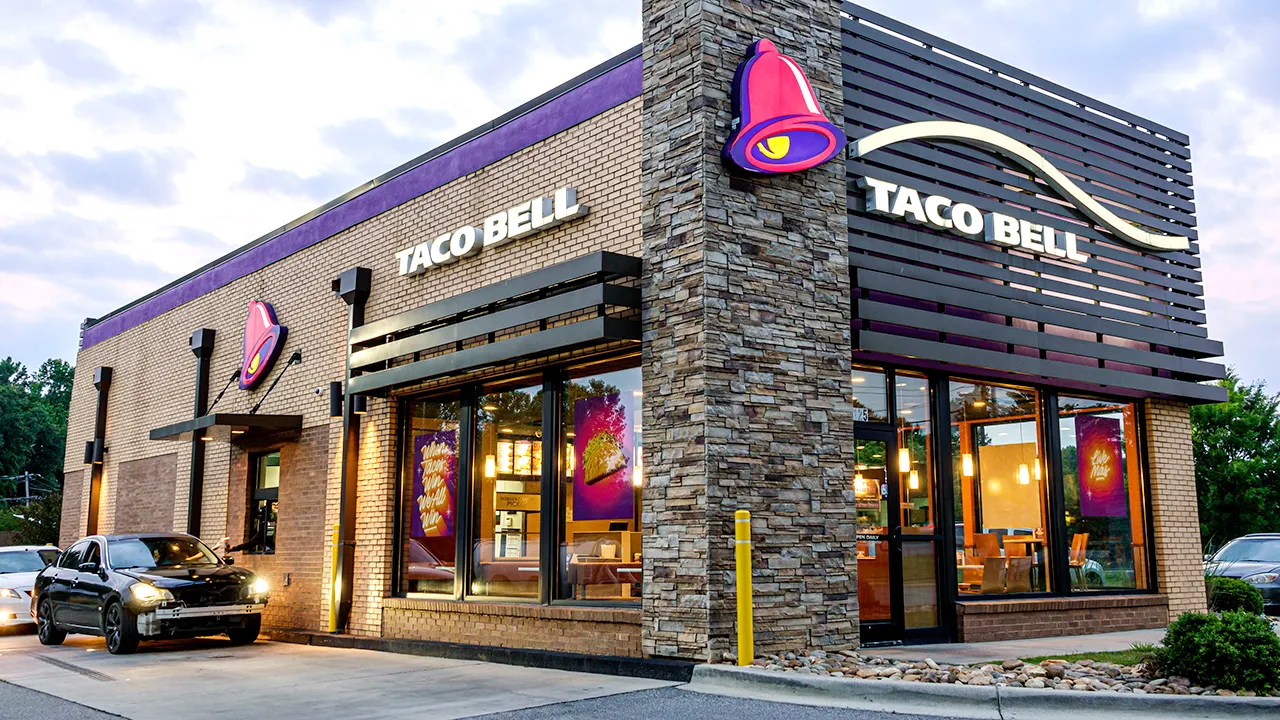
Taco Bell and PepsiCo announced an 11-year extension of their beverage partnership, keeping Pepsi products at participating U.S. restaurants through 2036.(Jeffrey Greenberg/Universal Images Group via Getty Images / Getty Images)
At the heart of this enduring alliance is Mountain Dew Baja Blast – a unique, popular beverage created specifically through the Taco Bell-PepsiCo partnership. This proprietary drink has grown into a billion-dollar brand, demonstrating the immense value of co-created products in driving consumer engagement and sales. Its continued availability, alongside Pepsi, Pepsi Zero Sugar, Mountain Dew, Starry, and Baja Midnight, underscores its role as a significant differentiator for Taco Bell and a robust revenue stream for PepsiCo. The “Baja Blast” phenomenon serves as a powerful case study for how exclusive offerings can cultivate a cult following and translate directly into increased market share and brand equity for both partners.
“Some of PepsiCo’s best foodservice innovations have come from partnerships that challenge us to think differently, and Taco Bell has always brought that energy,” PepsiCo Global Away from Home President Anne Fink said in a statement. This sentiment highlights the collaborative innovation model that has been instrumental in the partnership’s success, moving beyond a simple supplier-customer relationship to a strategic alliance focused on product development and market penetration.
PEPSICO RAISING PRICES ON DORITOS, RUFFLES, SUNCHIPS AND SOME SODAS AFTER RECENT CUTS

Mountain Dew Baja Blast Midnight, a popular beverage created through the Taco Bell-PepsiCo partnership, will remain on the fast-food chain’s menu under a new 11-year agreement.(Taco Bell)
“Together, we have co-created products consumers love, from the iconic Mountain Dew Baja Blast to DORITOS Locos Tacos,” Fink continued. “What makes this partnership special is how we bring together Taco Bell’s connection to culture with PepsiCo’s consumer insights, culinary capabilities and beverage expertise to create what’s next. We’re excited about what we can build together over the next 11 years.” The mention of Doritos Locos Tacos further exemplifies the synergistic potential of the partnership. This product, which will celebrate its 15th anniversary in 2027, leverages PepsiCo’s Frito-Lay brand (Doritos) to create a distinct and highly successful menu item for Taco Bell, further solidifying the interdependencies and mutual benefits that extend beyond just beverage supply.
| Ticker | Security | Last | Change | Change % |
|---|---|---|---|---|
| PEP | NO DATA AVAILABLE | – | – | – |
Taco Bell President Meg Farren also welcomed the renewed agreement, stating, “PepsiCo has been a trusted partner for over two decades, and we look forward to continuing to work hand-in-hand to drive long-term growth for the Taco Bell brand.” For Taco Bell, this extended partnership guarantees a stable supply chain for popular beverages, ensures continued access to PepsiCo’s marketing and innovation resources, and maintains brand consistency for its millions of customers. This stability is particularly crucial in a fast-paced QSR environment where supply disruptions or changes in core menu items can significantly impact customer satisfaction and operational efficiency.

PepsiCo secured an 11-year extension of its partnership with Taco Bell, covering beverages at Taco Bell, Taco Bell Cantina and Live Más Cafe locations.(Reuters / Fox News)
CLICK HERE TO GET FOX BUSINESS ON THE GO
This announcement arrives with notable market context, particularly following another major Yum! Brands chain, KFC, recently declaring its intention to drop PepsiCo in favor of Coca-Cola (NYSE: KO) at its U.S. restaurants. That shift ends a beverage relationship that spanned roughly four decades, underscoring the fierce competition between beverage titans PepsiCo and Coca-Cola for lucrative foodservice contracts. The KFC transition, set to begin in January 2027 and roll out across its 3,700 U.S. restaurants by spring, represents a significant loss of market share for PepsiCo in the away-from-home channel. Therefore, the successful retention and extension of the Taco Bell partnership takes on heightened importance, mitigating some of the financial and strategic impact of the KFC departure and reaffirming PepsiCo’s strength in the broader QSR segment.
Market Impact
The 11-year extension of the PepsiCo-Taco Bell partnership sends a strong signal to investors and the market about the stability of PepsiCo’s foodservice revenue streams and its strategic positioning in the competitive QSR landscape. For PepsiCo shareholders (PEP), this continuity provides a degree of certainty amidst the dynamic shifts in major beverage contracts, partially offsetting the recent loss of KFC. It underscores the value of proprietary co-branded innovations like Baja Blast in securing long-term commitments and driving consumer loyalty, translating into predictable sales volumes. For Yum! Brands (YUM), the agreement ensures operational consistency and continued access to products that are proven traffic drivers for Taco Bell, bolstering its brand strength and potential for same-store sales growth. The news highlights the ongoing battle between PepsiCo and Coca-Cola for dominance in the away-from-home beverage market, suggesting that while major contract shifts can occur, established and innovative partnerships remain a critical pillar of market share and profitability for both beverage and restaurant giants.