
Maine Girl Dads founder Leyland Streiff discusses the ‘Support Sophie’ movement on ‘The Bottom Line.’
Minnesota Timberwolves and Lynx: A $4.5 Billion Market Statement
Key Takeaways:
- Soaring Franchise Valuations:The $4.5 billion deal for the Timberwolves and Lynx underscores the continued rapid appreciation of professional sports assets, particularly within the NBA and WNBA, driven by robust media rights, global fan engagement, and scarcity.
- Strategic Investor Realignments:Marc Lore’s divestment to prioritize his food tech IPO (Wonder Group) and Marc Stad’s increased institutional investment via Dragoneer, alongside Alex Rodriguez’s expanded role, highlight sophisticated capital allocation strategies and confidence in sports as a high-growth alternative asset class.
- Stability and Growth Outlook:The commitment to maintaining the current leadership structure and the WNBA’s accelerating market momentum contribute significantly to the perceived stability and future growth potential of these franchises, appealing to long-term financial investors.
In a significant transaction reverberating across the professional sports investment landscape, Minnesota Timberwolves and Lynx co-owner Marc Lore has agreed to sell his controlling stake in the franchises to businessman and existing limited partner Marc Stad. This pivotal deal, valuing the NBA and WNBA teams at an impressive $4.5 billion according to ESPN, not only signals a new era for the Twin Cities’ basketball organizations but also sends a clear message about the escalating valuation trends in the broader sports market.
Former MLB star and FOX MLB studio analyst Alex Rodriguez, a key figure in the current ownership group, has affirmed his intention to increase his equity stake in both franchises. Lore, while stepping back from his controlling interest, will retain a minority stake, underscoring a strategic realignment of his investment portfolio rather than a full exit. The exact ownership percentages for Lore and Rodriguez post-transaction were not immediately disclosed, but the move positions Stad as the primary controlling owner, pending league approval.
Lore’s decision to divest his controlling interest is rooted in a strategic shift toward his entrepreneurial endeavors, specifically focusing on a planned Initial Public Offering (IPO) for his food tech company, Wonder Group, within the next year. This move exemplifies how high-net-worth individuals and entrepreneurs are continuously re-evaluating their capital allocation, prioritizing ventures with immediate growth catalysts or liquidity events. Lore expressed confidence that transferring controlling ownership to Stad, a seasoned investor, positions the franchises for sustained success, both on and off the court.
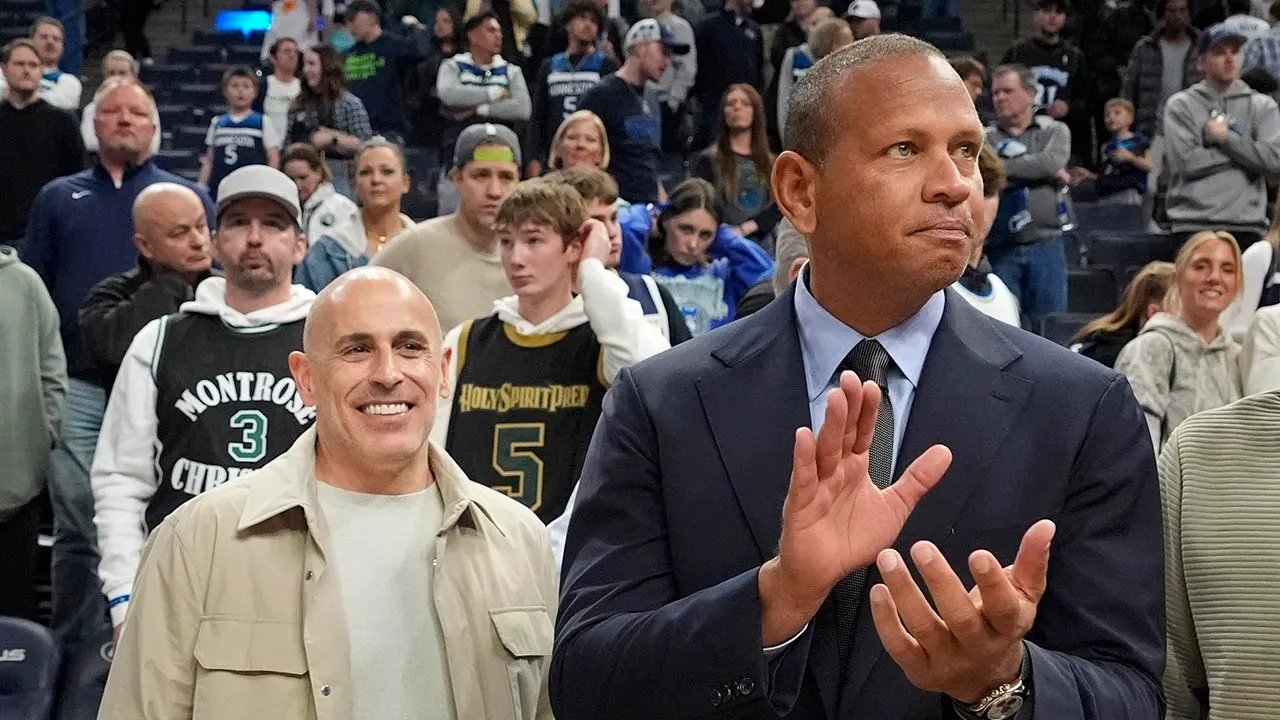
Minority team owners Marc Lore, left, and Alex Rodriguez of the Minnesota Timberwolves during the second quarter against the Phoenix Suns during Game 2 of the first round of the Western Conference playoffs at Target Center April 23, 2024, in Minneapo(David Berding/Getty Images / Getty Images)
Marc Stad, the founder and managing partner of Dragoneer Investment Group, is no stranger to the Timberwolves and Lynx, having been a significant minority investor under the previous Lore and Rodriguez partnership. His increased involvement through Dragoneer, a firm known for backing high-growth technology and consumer companies, highlights the evolving perception of professional sports teams as attractive, appreciating assets for institutional capital. Sources close to the deal indicate that this ownership transition, which followed months of intricate discussions, is designed to preserve the teams’ current leadership structure. This includes key personnel such as Timberwolves President Tim Connelly, general manager Matt Lloyd, and coach Chris Finch, as well as Lynx coach and president of basketball operations Cheryl Reeve. Such continuity in management is often a strong positive signal to investors, suggesting operational stability and a clear strategic vision.
In a joint statement, Stad, Rodriguez, and Lore emphasized their shared commitment: “We have been working together for years with a shared goal of building the Timberwolves and Lynx into the best organization in basketball on and off the floor. Our priority is and always will be championships. Our new agreement, pending league approval, is an evolution of the partnership we have built together and strengthening of our commitment to our team and our culture. While we’re proud of the great work we’ve done, there’s so much more to do, and we’re just getting started.” This statement underscores a blend of financial ambition and competitive drive, common among sports franchise owners.
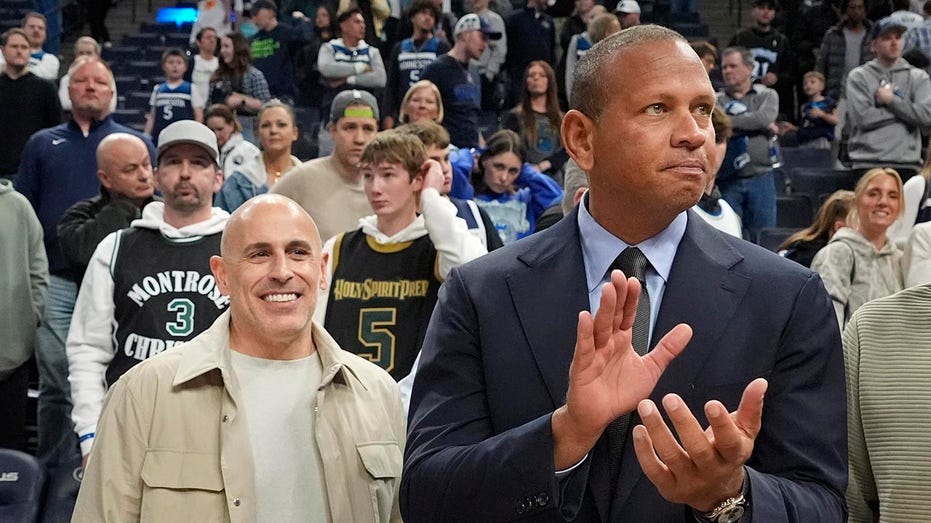
Minnesota Timberwolves minority owners Marc Lore, left, and Alex Rodriguez celebrate the team’s win over the Phoenix Suns at Target Center in Minneapolis March 28, 2025.(Bruce Kluckhohn/Imagn Images / IMAGN)
Alex Rodriguez further elaborated on his increased commitment via social media, expressing enthusiasm for the “new level” of their journey. His expanded roles as Co-Chairman, Governor of the Lynx, and alternate Governor of the Timberwolves (pending league approval) signal a deeper, hands-on investment in the franchises’ future. “I could not be more energized about this evolution and what we’re all going to do together for the Twin Cities,” Rodriguez stated, linking the investment directly to community impact and team success.
The transaction now proceeds to the NBA Board of Governors, where it is anticipated to receive approval at their scheduled Sept. 15-16 meeting. League approval is a standard but crucial step in any major ownership change, ensuring financial stability and adherence to league policies.
The $4.5 billion valuation places this deal among the highest in NBA history. It ranks as the fourth-largest franchise sale, trailing only the Boston Celtics’ $6.1 billion sale in 2025 and two recent Los Angeles Lakers transactions that valued the team at an astronomical $10 billion and $12.5 billion, respectively. These figures are not mere vanity metrics; they reflect the burgeoning economics of professional basketball. The drivers behind such stratospheric valuations are multi-faceted: escalating domestic and international media rights deals, the league’s immense global reach and growing fan base, the scarcity of these coveted assets, and the increasing value of ancillary revenue streams including merchandise, sponsorships, and arena-related income. Furthermore, the inclusion of the WNBA Lynx in this deal is noteworthy. The WNBA is experiencing unprecedented growth in viewership, sponsorships, and overall market interest, adding a significant layer of future value potential to such bundled franchise acquisitions.

Elisa Stad and Marc Stad attend the 2025 Breakthrough Prize Ceremony at Barker Hangar in Santa Monica, Calif. April 5, 2025.(Taylor Hill/FilmMagic / Getty Images)
On-court performance undoubtedly plays a role in enhancing brand appeal and fan engagement, which indirectly supports valuation. Since Lore and Rodriguez bought into the franchise, the Timberwolves have seen a revitalization, reaching the playoffs five consecutive seasons and advancing beyond the opening round in each of their last three trips. This sustained success creates a positive feedback loop, boosting local enthusiasm, ticket sales, and merchandise revenue, thereby fortifying the underlying business model for investors like Stad and Rodriguez.
GET FOX BUSINESS ON THE GO BY CLICKING HERE
Market Impact:
This $4.5 billion transaction for the Minnesota Timberwolves and Lynx serves as a potent indicator of the enduring strength and accelerating growth of the professional sports market as an alternative asset class. For financial journalists and investors, it underscores several critical trends: the premium placed on scarcity and brand equity in major leagues, the increasing role of institutional capital in sports ownership, and the strategic decisions driving capital deployment among high-net-worth individuals. Lore’s shift to focus on his IPO signals a calculated move towards maximizing returns from his tech venture, while Stad’s deeper commitment through Dragoneer highlights a long-term investment thesis in sports as a stable, appreciating asset with significant media rights and global expansion potential. The deal further solidifies the perceived value of WNBA franchises, suggesting that future bundled sales or standalone WNBA team transactions will command substantially higher valuations. Expect this sale to set a new benchmark, influencing future negotiations for team acquisitions and potentially impacting broader investment strategies across the entertainment and media sectors.