
Check out what’s clicking on FoxBusiness.com.
Key Takeaways:
- Erosion of Consumer Trust:Pet food recalls, especially involving physical contaminants like metal, severely undermine consumer confidence in brand safety and quality control within the rapidly growing, emotionally charged pet care market.
- Supply Chain Vulnerability & Costs:This incident highlights persistent supply chain vulnerabilities, leading to significant financial burdens for companies through recall logistics, lost sales, potential legal liabilities, and lasting damage to brand equity.
- Heightened Regulatory & Market Scrutiny:The recurrence of significant pet food safety incidents is intensifying regulatory oversight and fostering increased consumer vigilance, creating a more challenging operational environment for manufacturers and potentially shifting market share.
Dog owners are being urged to check their pet food after thousands of cases of canned dog food sold in the U.S. and Canada were recalled over potential metal contamination. This incident, while specific to Fromm Family Foods, sends ripples across the multi-billion dollar pet food industry, underscoring the critical importance of supply chain integrity, stringent quality control, and the often-fragile nature of consumer trust in a market driven by intense emotional attachment to pets.
Fromm Family Foods is recalling roughly 5,800 cases of two wet dog food products after receiving complaints of metal contamination, according to a company announcement posted by the Food and Drug Administration. For a company like Fromm, which often markets itself on heritage, premium quality, and a “family” ethos, such a recall represents not just an operational challenge but a significant threat to its meticulously built brand reputation and market positioning. The pet food sector, having experienced explosive growth driven by the “humanization of pets” trend – where pets are treated as family members and owners are willing to pay a premium for high-quality, safe products – is particularly sensitive to safety concerns. Consumers increasingly demand human-grade quality, transparent ingredient sourcing, and rigorous safety protocols for their animal companions, making any lapse a potential financial and reputational crisis.
The recall covers 3,852 cases of Fromm Turkey Pâté Wet Dog Food and 1,973 cases of Fromm Diner Classics Milo’s Meatloaf Pâté Wet Dog Food. These products were distributed through neighborhood pet stores and online retailers across the U.S. and Canada. The wide-ranging distribution channels highlight the pervasive reach of modern pet food brands, meaning a recall of this scale requires a rapid, sophisticated, and efficient logistical response to mitigate potential harm and contain reputational fallout across diverse retail environments and geographic regions. The operational complexities and associated costs for a company to manage such a recall are substantial, encompassing everything from product retrieval and disposal to customer service and communication efforts.
DOG FOOD LINKED TO NEARLY 200 REPORTS OF POTENTIAL CANINE VISION LOSS, PROMPTING MASSIVE RECALL
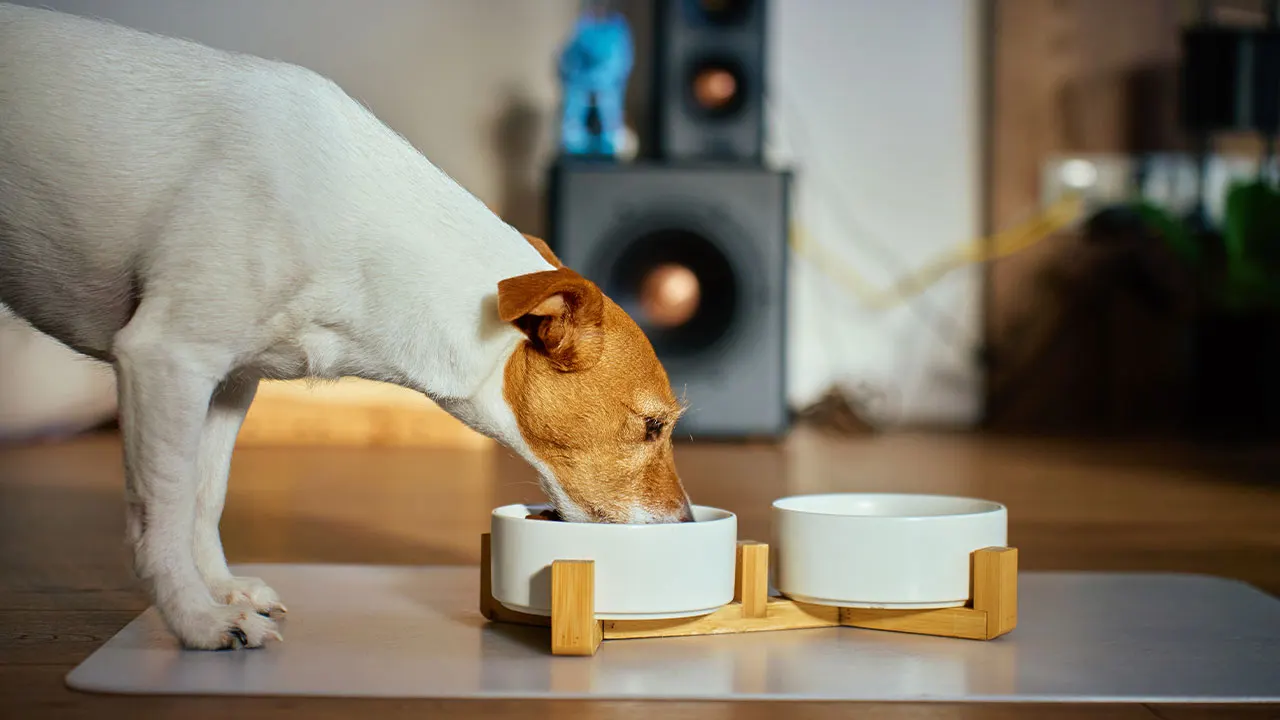
A dog eats from a food bowl. Fromm Family Foods recalled thousands of cases of two canned dog food products over potential metal contamination.(iStock / iStock)
Crucially, no illnesses or injuries tied to the products have been reported, a detail that could somewhat soften the immediate public relations blow and potentially limit direct legal liabilities. However, the potential for serious risks to dogs from ingesting metal — including choking, vomiting, loss of appetite, lethargy, stomach discomfort, and even cuts or internal obstructions — means that the threat to pet well-being, and by extension, owner peace of mind, remains exceptionally high. The mere *potential* for harm is often enough to trigger a sharp decline in consumer confidence and a swift pivot to competitor brands, especially in a crowded and competitive market where alternatives offering perceived superior safety or quality are readily available.
The affected Turkey Pâté comes in 12.2-ounce cans with UPC 072705118700 and lot code EP2A3306 551006. The recalled Milo’s Meatloaf Pâté comes in 12.5-ounce cans with UPC 072705132324 and lot code EP2A3306 551029. Both have a best-by date of March 2029, indicating a relatively long shelf life. This extended lifespan amplifies the challenge, as these potentially contaminated products could have been sitting on shelves or in consumers’ pantries for an extended period, increasing the potential for widespread exposure and making it more difficult to track and retrieve all affected units efficiently.
Fromm said it identified the error behind the recall and has taken corrective action to prevent it from happening again. However, the lack of immediate detail regarding the specific source of the potential contamination leaves a vacuum that can be filled by speculation and anxiety among consumers and industry observers. Was it a manufacturing defect? A raw material supplier issue further up the supply chain? A packaging line malfunction? The specific cause has profound implications for how the market assesses Fromm’s internal controls, its supply chain management, and how other manufacturers might review their own processes to prevent similar incidents. A representative for Fromm Family Foods did not immediately respond to FOX Business’ request for comment, a silence that can further fuel market uncertainty and public distrust.
No other Fromm products are affected, which is a crucial point for limiting the financial damage and preserving the integrity of the broader product portfolio. Yet, even a localized recall can cast a shadow over an entire brand, particularly for privately held companies like Fromm, where public financial disclosures are not mandatory, making it harder for stakeholders to gauge the full economic impact, including potential long-term sales erosion or increased operational costs due to enhanced safety protocols.
E COLI AND SALMONELLA OUTBREAK LINKED TO ALFALFA SPROUTS SICKENS DOZENS ACROSS MULTIPLE STATES
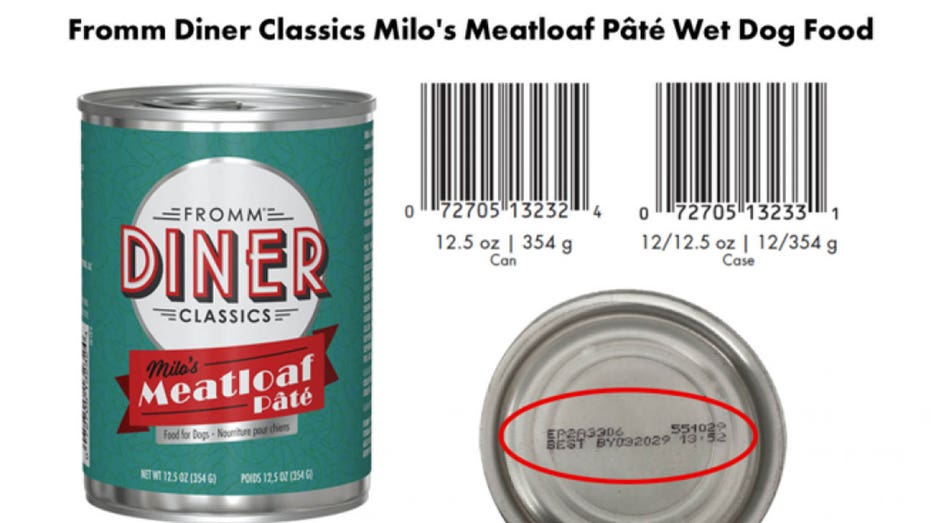
Fromm Diner Classics Milo’s Meatloaf Pâté Wet Dog Food is among two canned products recalled over potential metal contamination. The affected product has a best-by date of March 2029.(FDA / Unknown)
Consumers should stop feeding the recalled food to their dogs and return it to the retailer. Owners whose dogs ate the products and are experiencing symptoms should contact a veterinarian. These instructions, while standard, represent a significant inconvenience and potential cost for consumers, further eroding brand loyalty. For retailers, managing returns, dealing with customer inquiries, and potential lost sales due to empty shelves add an operational burden, potentially straining relationships with suppliers and impacting their own bottom lines. Such incidents can lead retailers to diversify their suppliers or demand more stringent quality assurances from existing ones.
This recall comes just days after another dog food company pulled nearly all of its fresh meals amid reports of potential eye problems in dogs. U.K.-based subscription pet food company Years said earlier this week that 192 customers had reported potential eye issues in their dogs, including sudden bilateral dry eye, a condition that can lead to permanent vision loss in severe cases if left untreated. While separate from the Fromm action, the proximity of these incidents creates a cumulative effect, amplifying public concern about the overall safety and regulatory oversight of the pet food industry. It suggests a broader pattern of quality control challenges or at least a heightened awareness and reporting environment for pet health issues linked to diet, potentially leading to increased regulatory scrutiny by agencies like the FDA.
Years’ investigation into potentially contaminated buckwheat as a contributing factor, and its caveat that no causal link has been established, highlights the complex and often protracted nature of such investigations. This uncertainty can prolong consumer anxiety and market instability for affected companies. The memory of past large-scale pet food contamination crises, such as the melamine recall in 2007, continues to loom large over the industry, reminding manufacturers, regulators, and investors of the catastrophic potential for widespread harm and severe economic fallout when quality control fails. These historical precedents drive both regulatory vigilance and consumer skepticism.
Consumers with questions about the Fromm recall can contact the company at 1-800-325-6331 on weekdays from 8 a.m. to 4:30 p.m. CT or at info@frommfamily.com. Effective and transparent communication channels are paramount during a recall to manage public perception and facilitate compliance. However, the long-term work of rebuilding trust often takes years and significant investment in robust quality assurance programs, marketing campaigns focused on safety, and potentially, price adjustments to regain market share.
CLICK HERE TO GET FOX BUSINESS ON THE GO
Market Impact:The Fromm Family Foods recall, despite its relatively contained volume, underscores the pervasive market risks inherent in the rapidly expanding pet food industry. For Fromm, a privately held entity, the immediate financial implications include the direct costs of recall logistics, potential inventory write-downs, and a likely short-term dip in sales as retailers pull affected products and discerning consumers opt for alternatives. More significantly, the incident can inflict lasting damage to brand equity and consumer loyalty, which are critical assets in the competitive premium pet food segment, potentially hindering future growth and market penetration. For the broader industry, these repeated recalls, including the concurrent Years pet food issue, signal a period of intensified scrutiny from regulatory bodies like the FDA and more demanding expectations from consumers. This trend will likely drive increased investment in robust quality control systems, more rigorous supply chain auditing, and greater transparency from manufacturers. Furthermore, it could lead to market share shifts, potentially benefiting competitors perceived as having superior safety records, and influencing investor sentiment towards the sector as a whole, favoring companies that demonstrate exceptional resilience and proactive risk management in their operations and public relations.