
### Key Takeaways
1. **Supply Chain Re-evaluation & Cost Pressures:** North American industries, particularly steel, aluminum, and automotive (EVs), face escalating pressure to audit and potentially reconfigure their supply chains. This re-evaluation, driven by U.S. demands for “China-resistant” sourcing, implies higher operational costs, potential tariff exposures, and strategic shifts for businesses operating within the continent.
2. **Geopolitical Risk Premium & Investment Uncertainty:** The diverging trade strategies between the U.S. and Canada regarding China introduce a significant geopolitical risk premium into North American markets. Investors must contend with heightened uncertainty around future trade policies, potential cross-border disputes, and their cascading effects on corporate earnings and capital allocation decisions.
3. **Fragmenting North American Bloc:** Canada’s pursuit of trade diversification, including renewed engagement with Beijing, directly contrasts with the U.S. objective of forging a unified, China-averse North American trading bloc. This strategic divergence creates internal friction within the continent’s economic framework, potentially impacting the stability and effectiveness of existing agreements like the USMCA.
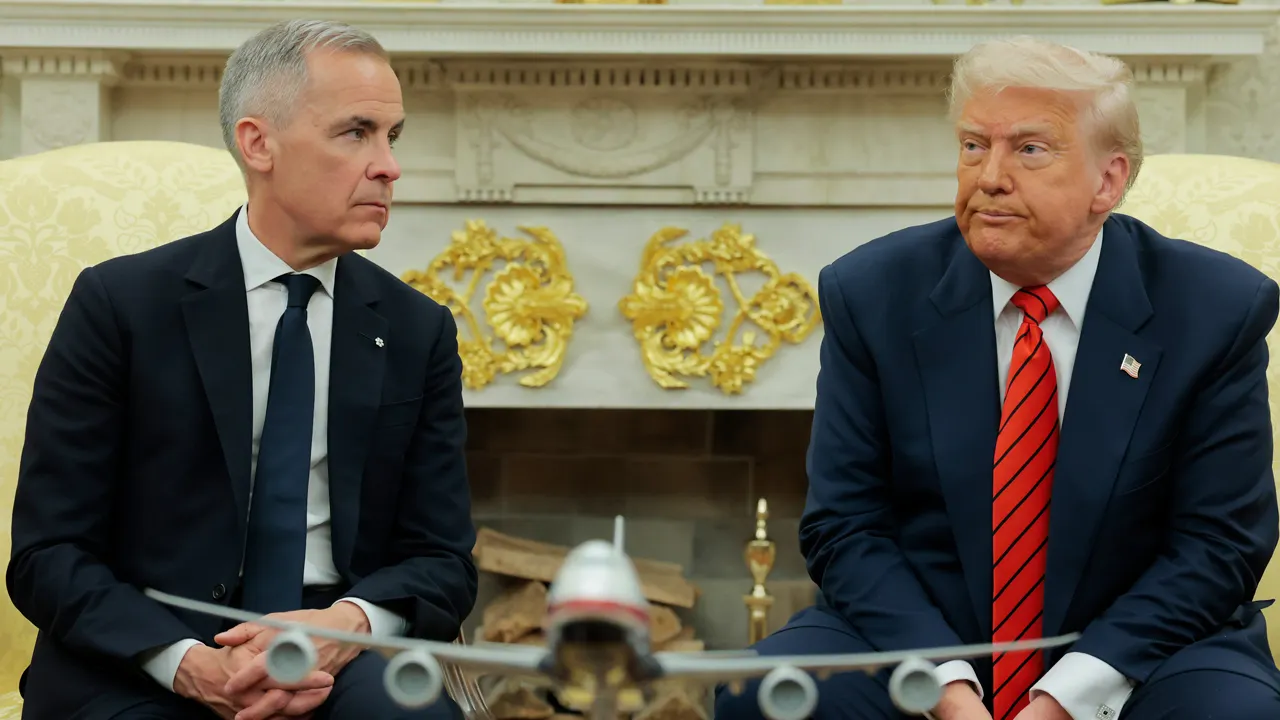
Canadian prime minister says U.S. sought to restrict Canada’s ability to strike trade deals with other countries.
President Donald Trump’s latest trade fight with Canada has a faraway force at its center: China. This brewing economic tension underscores a critical juncture in North American trade policy, where the U.S. imperative to decouple from Chinese supply chains collides with Canada’s strategic pursuit of global market diversification.
As Washington presses Ottawa to do more to prevent Chinese steel, aluminum, and other goods from reaching the U.S. market through North American supply chains, Canada is simultaneously pursuing renewed economic ties with Beijing. This dual-pronged approach by Ottawa adds a fresh layer of complexity and potential market volatility to already tense trade discussions, leaving investors and industries navigating an increasingly fragmented geopolitical landscape.
At the heart of the fight is transshipment — the practice of routing goods through an intermediary country, sometimes after limited processing, before they reach their final market. U.S. officials fear steel and aluminum, often subsidized and produced with lower environmental standards in China or elsewhere, could be processed in Canada or Mexico and then enter the United States under the guise of regional content. This practice not only undermines U.S. domestic industries and fair trade principles but also complicates efforts to build resilient, secure supply chains free from undue influence or unfair competition.
TRUMP JUST EXPANDED HIS TARIFF PLAYBOOK WITH A POWERFUL TRADE WEAPON NO PRESIDENT HAS EVER USED
President Donald Trump and Canadian Prime Minister Mark Carney have traded criticism following the collapse of U.S.-Canada trade negotiations.(Anna Moneymaker/Getty Images) / Getty Images)
The U.S. and Canada previously addressed this risk in a 2019 joint statement, resolving an earlier steel-and-aluminum tariff dispute. The countries agreed to prevent steel and aluminum made outside the U.S. or Canada from being transshipped into the other country and committed to distinguishing between steel melted and poured in North America and steel made elsewhere. This agreement provided a temporary détente, but the underlying structural issues of global oversupply and strategic competition with China have only intensified.
U.S. trade hawks now argue Canada should accept tougher safeguards, including more robust origin rules and potentially higher tariffs on certain imports, as Washington seeks to limit China’s role in critical manufacturing supply chains. The drive to create a “China-resistant” North American bloc is not merely economic; it’s a strategic imperative aimed at national security, technological leadership, and industrial resilience. This push for deeper integration and alignment creates significant pressure on Canada, which shares the longest undefended border with the U.S. and is deeply intertwined economically.
Canada claims it is already taking steps to keep foreign steel from flooding its market. Ottawa limits some steel imports from countries without a free-trade agreement, including China, and imposes a 50% surcharge once those limits are exceeded, demonstrating a commitment to protecting its own domestic industries. However, Washington’s perspective is that these measures are insufficient given the scale of China’s industrial capacity and its sophisticated methods of navigating global trade rules.
A POPULAR COCKTAIL HAS A TRUMP TRADE PROBLEM YOU PROBABLY DIDN’T KNOW ABOUT
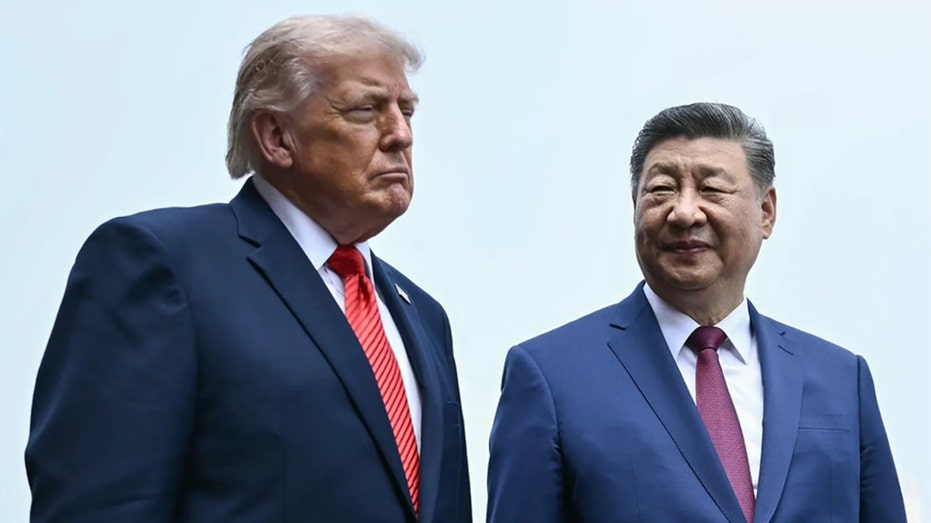
China’s President Xi Jinping and President Donald Trump visit the Temple of Heaven on May 14, 2026, in Beijing, China. (Brendan Smialowski/Pool/Getty Images / Getty Images)
Yet, in a move that complicates the narrative for its southern neighbor, Canada has also explicitly moved to strengthen trade ties with Beijing. This strategy is rooted in Canada’s long-standing economic principle of diversification, aiming to reduce over-reliance on any single trading partner – notably, the United States, which accounts for over 75% of Canadian exports. In March, China agreed to reopen its market to several Canadian farm and seafood exports, including canola, peas, lobster, and crab—a significant win for Canada’s agriculture and aquaculture sectors that had faced previous restrictions.
Concurrently, Canada established a 49,000-vehicle annual quota for Chinese Electric Vehicles (EVs) at the 6.1% most-favored-nation tariff rate, notably removing its previous 100% surtax. This move signals an openness to Chinese EV manufacturers, a sector where China holds a significant competitive advantage and seeks to expand its global footprint. For Canada, this could mean access to more affordable EV options and potentially attract investment in its own burgeoning EV supply chain, especially in critical minerals. Furthermore, Canada extended tariff relief for some Chinese steel and aluminum products it says are in short supply, a pragmatic decision aimed at addressing domestic industrial needs while simultaneously frustrating U.S. efforts to isolate Chinese metal exports.
Officials contend these arrangements are part of a broader, necessary effort to diversify Canada’s trade relationships. China is, after all, Canada’s second-largest merchandise trading partner, representing a vast market for Canadian resources and manufactured goods. This economic pragmatism, however, directly clashes with the U.S. strategic imperative to build a unified, China-resistant North American trading bloc, raising fundamental questions about continental alignment and shared economic destiny.
CLICK HERE TO DOWNLOAD THE FOX NEWS APP
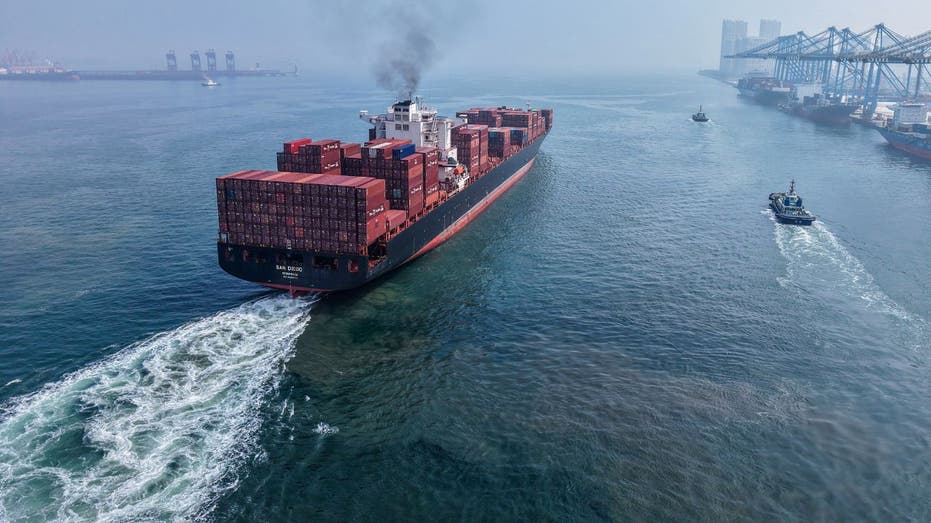
A container ship sails out of the port in Qingdao, in China’s eastern Shandong province on August 7, 2025. (STR/AFP/Getty Images / Getty Images)
The arrangement has fueled criticism in Washington that Canada is moving in the opposite direction from the Trump administration’s effort to build a more China-resistant North American trading bloc. This divergence threatens to deepen fissures within the U.S.-Canada economic relationship, potentially leading to renewed tariffs or stricter enforcement mechanisms that could impact cross-border trade flows and investment.
For President Trump, and indeed for any future U.S. administration, the growing question is whether Canada is willing to embrace the same strategic approach to China—prioritizing alliance security and supply chain resilience over pure trade diversification—or whether its bid to expand trade with Beijing will become another significant fault line in an already tense and complex North American relationship.
### Market Impact
The escalating trade friction between the U.S. and Canada over China introduces a palpable layer of uncertainty for global markets, particularly within North America. Industries like steel, aluminum, and automotive (especially EVs) face immediate scrutiny and potential disruption, with companies needing to rigorously audit their supply chains for Chinese content. This could lead to increased compliance costs, operational delays, and strategic shifts towards “friend-shoring” or domestic production, even if at a higher expense. For investors, this translates into a heightened geopolitical risk premium, demanding closer attention to policy shifts and their potential impact on corporate earnings and valuations across sectors. Currency markets could also see increased volatility, with the Canadian dollar potentially reacting to perceived strains in its crucial trade relationship with the U.S. Furthermore, the divergence in trade strategy threatens the long-term stability and effectiveness of the USMCA, potentially reigniting protectionist measures and fragmenting the continent’s economic landscape. Companies heavily reliant on cross-border North American supply chains must prepare for scenarios ranging from renewed tariff impositions to stricter origin requirements, all of which could impact profitability and supply chain resilience in an already volatile global economic environment.