
Mark Mahaney, a Senior Managing Director at Evercore ISI, provides insights into his optimistic outlook on artificial intelligence and analyzes shares of Amazon and Google during his appearance on ‘Varney & Co.’
Later this month, Amazon plans to levy fresh charges on its third-party vendors. This measure comes as escalating petroleum costs, linked to the continuing conflict involving Iran, send effects across the American economy, potentially transferring expenses to end-users.
The corporation announced that from April 17, it would initiate a 3.5% “fuel and logistics supplement” for merchants utilizing its fulfillment offerings in the United States and Canada, attributing the move to increased transportation and delivery expenditures.
This decision comes after a significant escalation in crude oil prices, which is elevating expenditures throughout worldwide supply networks. On Friday, West Texas Intermediate crude surpassed $111, and the international standard Brent crude hovered near $109 per barrel. This occurred as investors evaluated the potential duration of the disruption to shipments navigating the Strait of Hormuz, a vital global petroleum transit point.
CONGRESSIONAL REPORT DETAILS HOW CHINA BUYS SANCTIONED OIL FROM IRAN, RUSSIA AND VENEZUELA
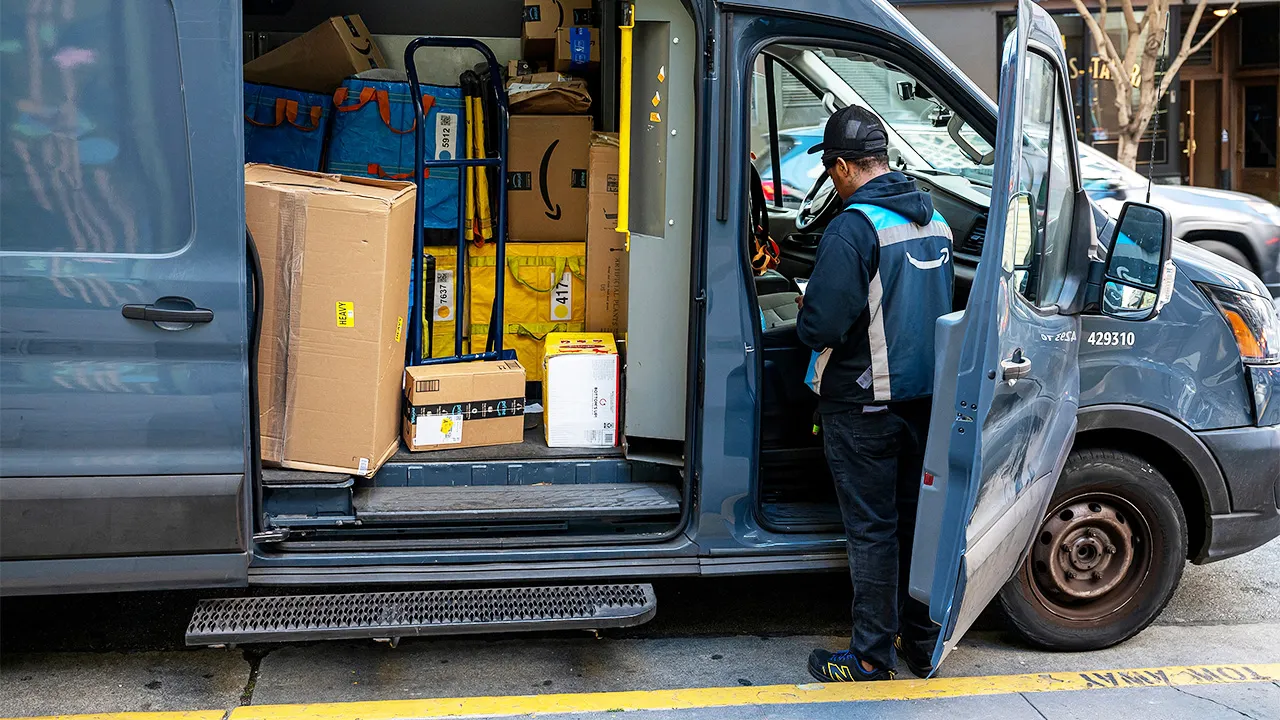
A worker near packages in an Amazon delivery vehicle in San Francisco, California, on Monday, Feb. 2, 2026.(David Paul Morris/Bloomberg via Getty Images)
Amazon informed FOX Business that the additional charge aims to counterbalance “heightened expenditures in fuel and supply chain operations.” The firm indicated it had absorbed these rising costs until recently but is now conforming to a wider industry trend of transferring increased outlays.
AMAZON AND DELTA PARTNER TO LAUNCH FASTER IN-FLIGHT WI-FI

The Amazon logo is displayed on the façade of Amazon Germany’s headquarters in Parkstadt Schwabing, Munich, Bavaria, on Jan. 27, 2026.(Matthias Balk/picture alliance via Getty Images)
This alteration exerts additional strain on approximately two million external vendors, who constitute a substantial segment of Amazon’s commerce platform. A large number depend on Fulfillment by Amazon (FBA) – the corporation’s distribution system managing warehousing, packaging, and dispatch – implying that this fresh charge will directly influence their operational expenditures.
Reports indicate that, on average, this supplementary charge will amount to approximately 17 cents per item, although precise costs fluctuate depending on the product’s dimensions and mass. Despite being relatively small for each unit, this additional outlay can rapidly accumulate for vendors with large sales volumes, who might then transfer these elevated prices to end-buyers.
AMAZON LAUNCHES 1-HOUR AND 3-HOUR DELIVERY OPTIONS WITH NEW TIERED PRICING STRUCTURE FOR CUSTOMERS
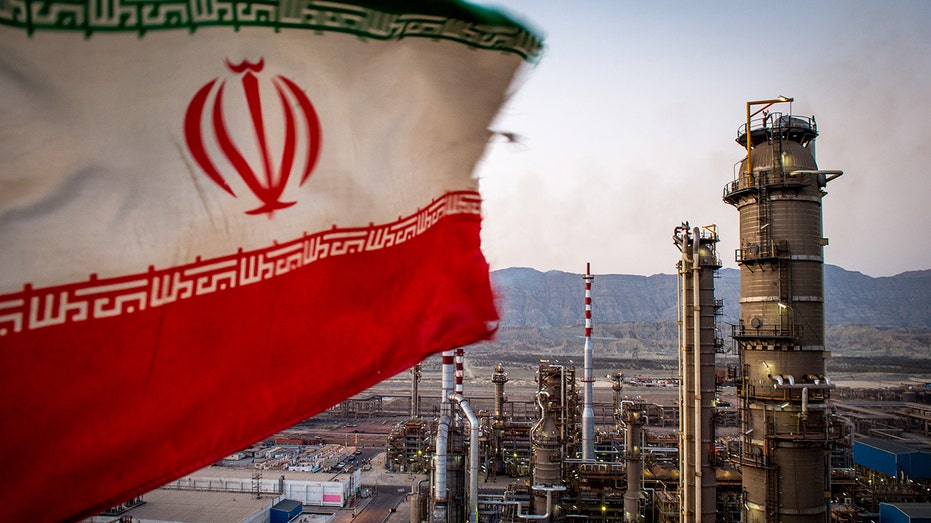
An Iranian national flag flies at the Persian Gulf Star Co. (PGSPC) gas condensate refinery in Bandar Abbas, Iran.(Ali Mohammadi/Bloomberg via Getty Images)
Amazon stated that this extra charge remains “considerably less” than equivalent fees imposed by leading transport providers. Nevertheless, this action underscores the manner in which escalating energy prices are permeating the wider economic landscape.
CLICK HERE TO GET FOX BUSINESS ON THE GO
Delivery companies such as UPS, FedEx, and the U.S. Postal Service have likewise introduced or declared fuel surcharges in recent weeks. This indicates increasing pressure on supply chain systems as petroleum costs ascend.
Amazon’s stock has risen by 17.5% during the last twelve months but has declined by 9.1% since the start of the current year.
| Ticker | Security | Last | Change | Change % |
|---|---|---|---|---|
| AMZN | AMAZON.COM INC. | 209.77 | -0.80 | -0.38% |
| UPS | UNITED PARCEL SERVICE INC. | 98.18 | +0.27 | +0.28% |
| FDX | FEDEX CORP. | 361.63 | +2.32 | +0.65% |
Reuters contributed to this report.