
Jill Hall, BofA securities U.S. equity strategist, explains why the Russell 2000 is the best-performing benchmark.
**Key Takeaways:**
1. **Strategic Capital Deployment:** Bank of America’s $250 billion Critical Infrastructure Finance Initiative represents a significant strategic commitment, aligning the banking giant’s capital deployment with critical national priorities like digital transformation, energy transition, and supply chain resilience over the next three years.
2. **Market Tailwinds & Demand Drivers:** The initiative directly addresses surging demand for computing power (driven by AI), electricity, advanced manufacturing capacity, and diversified supply chains, positioning BofA to capitalize on robust sector tailwinds fueled by both private innovation and government policy.
3. **Multi-Faceted Market Impact:** This substantial investment is poised to drive job creation and economic growth, while also influencing investment flows into infrastructure-related sectors, potentially benefiting engineering, construction, technology, and renewable energy companies, and setting a precedent for other financial institutions.
**Bank of America Unveils $250 Billion Infrastructure Push, Signaling Confidence in U.S. Economic Resurgence Amidst Shifting Market Dynamics**
In a significant move poised to reshape the landscape of American industry, Bank of America (BofA) has announced a monumental $250 billion initiative aimed at financing a comprehensive buildout of U.S. infrastructure. This quarter-trillion-dollar commitment, dubbed the Critical Infrastructure Finance Initiative, is set to mobilize and deploy capital through a combination of lending, strategic investments, capital markets activities, and advisory transactions over an intensive 18-month period, concluding on July 4, 2027. The announcement underscores BofA’s conviction in the long-term growth trajectory of the U.S. economy, particularly as it grapples with unprecedented demand for advanced computing, robust power grids, and resilient domestic manufacturing capabilities.
The timing of this aggressive capital allocation strategy is no coincidence. The U.S. economy is at an inflection point, driven by several powerful secular trends. The explosive growth of Artificial Intelligence (AI) and generative AI applications is creating an insatiable demand for hyperscale data centers, advanced computing hardware, and state-of-the-art semiconductor manufacturing facilities. Simultaneously, the global energy transition mandates massive investments in renewable power generation, smart grid modernization, and energy storage solutions. Furthermore, geopolitical uncertainties and lessons learned from recent supply chain disruptions are propelling a national imperative to onshore critical manufacturing, particularly in strategic sectors like semiconductors and advanced materials. BofA’s initiative directly targets these pivotal areas, seeking to strengthen energy security, bolster technological leadership, and underpin long-term economic expansion.
**WORLD CUP HELPED DRIVE STRONGEST CONSUMER SPENDING GROWTH IN FOUR YEARS DURING JUNE, BANK OF AMERICA SAYS**
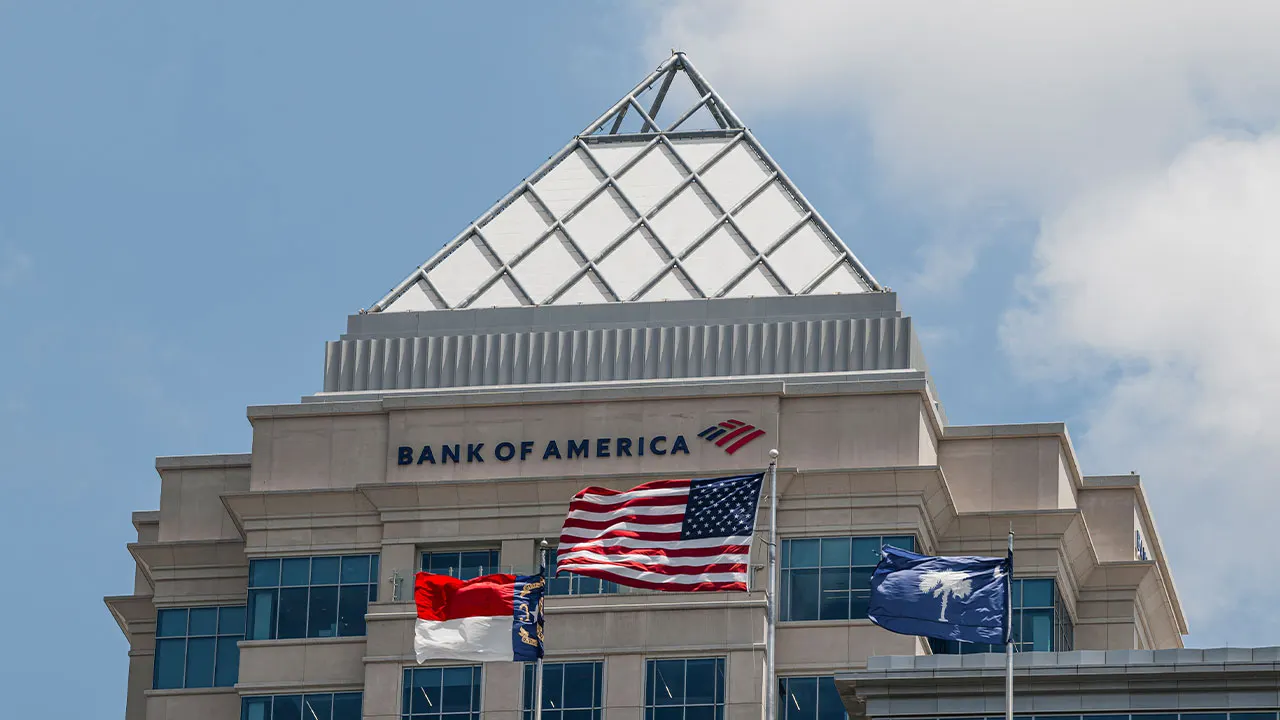
Bank of America is launching a $250 billion initiative to finance U.S. infrastructure projects spanning data centers, energy, semiconductors and transportation.(Nicolò Campo/LightRocket via Getty Images, File / Getty Images)
“We are proud of our long history supporting the American economy. As America marks its 250th year, this initiative reflects our confidence in the country’s future and the investments that will shape it,” said BofA Co-President Jim DeMare. From a market perspective, this isn’t merely a patriotic gesture; it’s a strategic play to capture significant market share in what are projected to be some of the most capital-intensive and highest-growth sectors of the next decade. By positioning itself as a primary financier for these foundational projects, BofA aims to generate substantial fee income from advisory services, underwriting mandates in the capital markets, and traditional lending, while also fostering long-term client relationships in critical industries. The infrastructure that powers our economy, strengthens our energy security and secures our technological leadership will drive growth, create jobs and define America’s next chapter.
The initiative is strategically structured around three broad and interconnected areas: digital infrastructure, energy and power infrastructure, and core infrastructure.
- **Digital Infrastructure:** This segment is poised to be a major beneficiary of the AI boom. It encompasses the financing of massive data centers, specialized computing hardware, advanced chip manufacturing facilities (including those incentivized by the CHIPS and Science Act), and next-generation telecommunications networks crucial for high-speed data transmission. Investments here are fundamental to maintaining America’s competitive edge in the global technology race.
- **Energy and Power Infrastructure:** Addressing both conventional energy needs and the burgeoning renewable sector, this focus area includes financing for new and upgraded power generation facilities (wind, solar, geothermal), sophisticated energy storage solutions (battery farms), and the modernization of the U.S. electrical grid. The Inflation Reduction Act (IRA) and other clean energy policies provide significant incentives, making these projects highly attractive for capital deployment.
- **Core Infrastructure:** This traditional but vital component includes transportation networks (roads, bridges, ports, airports, EV charging networks), essential electric and energy transmission lines, crucial grid optimization projects, vital water systems, and the development of critical minerals and mining operations necessary for everything from electric vehicles to advanced electronics. Federal programs like the Infrastructure Investment and Jobs Act (IIJA) provide a strong foundation for many of these endeavors.
**BOFA CEO BRIAN MOYNIHAN DISMISSES RECESSION FEARS DESPITE WALL STREET’S MOST HAWKISH FED FORECAST**
BofA’s initiative will target digital infrastructure, energy and power infrastructure, and core infrastructure.(Davis Turner/Getty Images, File / Getty Images)
Beyond the immediate financial returns for BofA, the initiative is projected to have a profound impact on the broader economy. Bank of America estimates that investments supported by this quarter-trillion-dollar push could create tens of thousands of jobs across a multitude of sectors, including construction, advanced manufacturing, technology development, and long-term infrastructure operations and maintenance. This job creation is critical for fostering inclusive economic growth and absorbing new talent into high-demand fields. The bank also highlighted its ongoing commitment to workforce development, noting its nearly $40 million investment in 2025 across 730 partners, which helped connect over 90,000 people with employment and provided training to over 290,000. This synergy between capital and human resource development amplifies the overall economic benefit.
| Ticker | Security | Last | Change | Change % |
|---|---|---|---|---|
| BAC | BANK OF AMERICA CORP. | 64.00 | +0.14 | +0.22% |
The Bank of America’s Global Capital Solutions and Global Infrastructure & Sustainable Finance teams will spearhead this ambitious undertaking, drawing on the expertise and resources of all eight of the company’s lines of business. This integrated approach ensures comprehensive support, from initial project conceptualization and financing to market execution and long-term asset management. The $250 billion target will be meticulously measured based on eligible primary-market lending, investing, capital markets, and advisory transactions occurring between January 1, 2026, and July 4, 2027. The bank confirmed that its robust methodology will be consistent with its established $1.5 trillion, 10-year sustainable finance goal, underscoring a disciplined and accountable approach to capital deployment.
**CLICK HERE TO GET FOX BUSINESS ON THE GO**
**Market Impact:**
Bank of America’s $250 billion infrastructure initiative sends a clear signal to the market regarding the immense capital requirements and robust investment opportunities within the U.S. infrastructure space. This commitment from one of the nation’s largest financial institutions is likely to spur other banks and institutional investors to increase their focus on these sectors, potentially intensifying competition for project financing but also making capital more readily available for essential developments. Investors should watch for increased activity in related exchange-traded funds (ETFs) and stocks across several key industries: engineering and construction firms (e.g., AECOM, Jacobs), data center REITs (e.g., Equinix, Digital Realty), semiconductor equipment manufacturers (e.g., Applied Materials, Lam Research), renewable energy developers and utilities (e.g., NextEra Energy, Brookfield Renewable), and companies involved in critical minerals and materials. While the initiative presents significant growth potential, market participants should also remain mindful of potential headwinds such as persistent inflationary pressures impacting project costs, labor shortages, and the inherent long lead times and regulatory complexities associated with large-scale infrastructure projects. Nevertheless, BofA’s bold move reinforces the narrative of a sustained, multi-year investment cycle in foundational U.S. infrastructure, offering compelling long-term opportunities for strategic investors.