
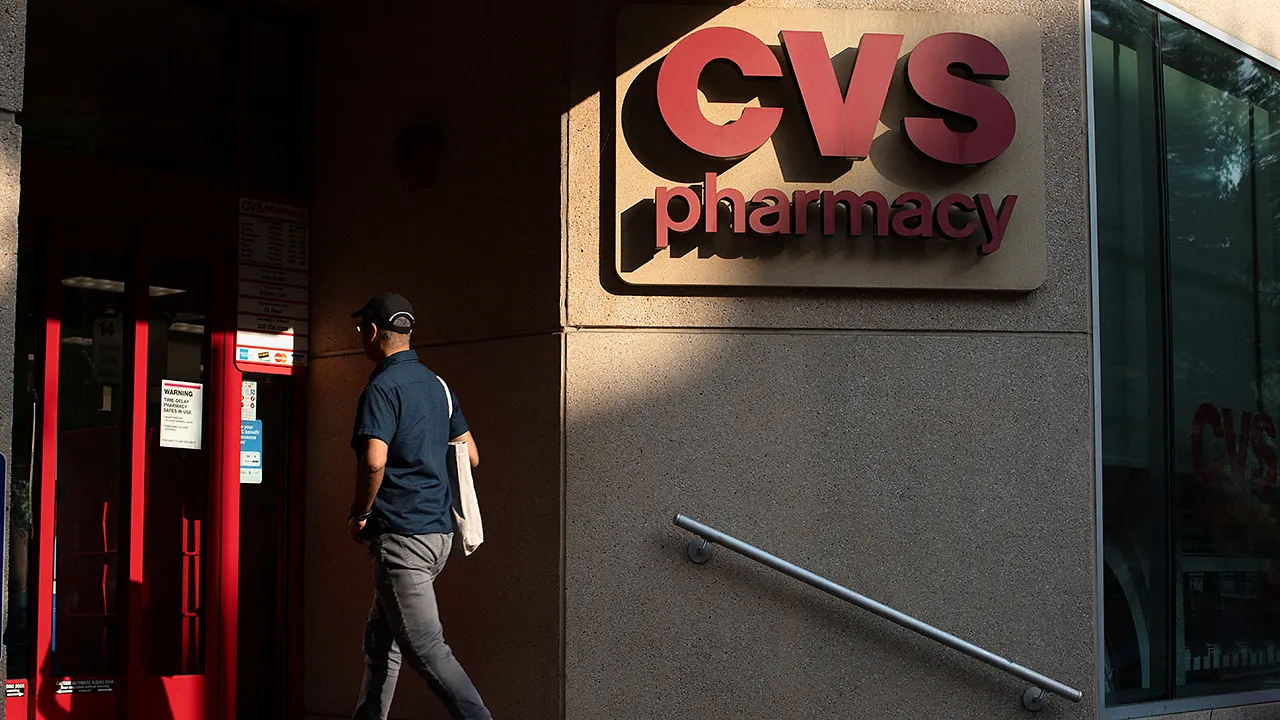
In an interview with Fox News Digital, Douglas Hoey of the National Community Pharmacists Association said splitting CVS Pharmacy from its insurance and Pharmacy Benefits Manager businesses could improve competition and lower costs.
**Key Takeaways:**
1. **Strategic Decoupling for Value Creation:** CVS Health’s proposed split aims to unlock shareholder value by separating its capital-intensive, lower-margin retail pharmacy segment from its faster-growing, higher-margin healthcare solutions and PBM businesses, potentially mitigating the “conglomerate discount.”
2. **Navigating Regulatory Headwinds:** The move is a proactive response to escalating antitrust scrutiny and legislative pressure on vertically integrated healthcare giants, particularly concerning Pharmacy Benefit Managers (PBMs) and their alleged anti-competitive practices.
3. **Shaping the Future Healthcare Landscape:** This divestiture could fundamentally alter the competitive dynamics within the pharmacy and PBM sectors, fostering greater transparency and potentially leading to improved pricing and access for patients, while presenting both opportunities and challenges for independent pharmacies and rival integrated health providers.
CVS Health (NYSE: CVS) sent ripples through the healthcare and investment communities on Tuesday with the announcement of its ambitious plan to split its sprawling conglomerate into two independent, publicly traded entities. This strategic maneuver, anticipated to conclude by the first half of 2028, aims to decouple the company’s retail pharmacy operations from its rapidly expanding healthcare solutions and insurance businesses, a move that analysts suggest could redefine its market trajectory amidst intensifying regulatory pressures and a dynamic competitive landscape.
The immediate market reaction was palpable: CVS shares plunged nearly 13% on the news, settling at levels not seen since spring. This sharp decline reflects investor uncertainty regarding the execution risks of such a complex restructuring, the near-term impact on the integrated business model, and the potential for reduced synergistic benefits. However, for a sector increasingly under the microscope for its vertical integration, this divestiture could represent a calculated gambit to unlock long-term shareholder value and proactively address looming regulatory challenges.
The proposed structure will see the creation of two distinct powerhouses. The “healthcare solutions” company, which will temporarily retain the CVS Health name, will encompass its robust portfolio of pharmacy benefit manager (PBM) services, insurance plans (including Aetna), and its recently acquired healthcare delivery assets such as Oak Street Health and Signify Health. This segment represents the company’s strategic pivot towards a more comprehensive, value-based care model, integrating health insurance with primary care and home health services.
Conversely, the “retail pharmacy” division will comprise CVS Pharmacy’s approximately 9,000 stores, its mail-order pharmacy business, the MinuteClinic walk-in clinics, and the Health100 technology services unit. This segment, representing the traditional storefront and dispensing operations, has historically faced challenges related to declining retail foot traffic, thin margins, and fierce competition.
CVS PHARMACY REACHES $315M SETTLEMENT WITH JUSTICE DEPARTMENT OVER CONTROLLED SUBSTANCE PRESCRIPTIONS
CVS Pharmacy, the company’s retail division, will include roughly 9,000 stores.(Joe Raedle/Getty Images, File / Getty Images)
Existing CVS Health investors are slated to receive shares in both companies tax-free, according to the Woonsocket, Rhode Island-based company. This tax-efficient spin-off mechanism is designed to maximize investor returns by allowing them to participate directly in the performance of two specialized entities.
| Ticker | Security | Last | Change | Change % |
|---|---|---|---|---|
| CVS | CVS HEALTH CORP. | 79.96 | -11.45 | -12.53% |
While institutional investors grappled with the immediate valuation impact, the announcement was met with cautious optimism from a critical segment of the healthcare market: independent pharmacies. Douglas Hoey, CEO of the National Community Pharmacists Association (NCPA), an organization representing thousands of independent pharmacies, told FOX Business that the breakup could significantly level the playing field. “We think it will be good for competition, good for patients, lower prices, good for small businesses to be able to compete against these conglomerates,” Hoey stated. This sentiment underscores the long-standing grievances of independent pharmacies against the dominant market power of integrated PBMs and retail chains.
CVS OFFERS NEW PHARMACY OPTION FOR PET OWNERS
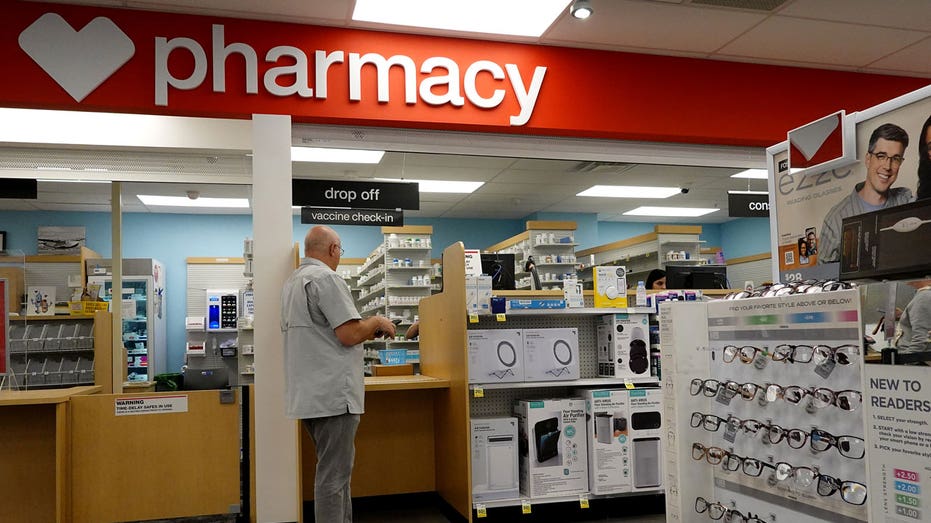
A customer stands at the drop-off counter inside a CVS Pharmacy store.(Joe Raedle/Getty Images, File / Getty Images)
Hoey further posited that the standalone CVS retail pharmacy business might face increased pressure to optimize its physical footprint, potentially leading to more store closures. He cited CVS’s track record of shuttering approximately 10% of its locations over the past five years due to underperformance. “With the company split off to be a CVS Pharmacy, my guess would be that they’re going to look even more closely at underperforming stores and want to close underperforming stores,” Hoey commented. While this could mean fewer CVS stores, Hoey noted that patients typically have alternative options nearby, including independent pharmacies or other chains, mitigating potential access issues.
The NCPA’s perspective highlights a core tenet of the debate around vertical integration in healthcare: the perceived conflict of interest. Hoey argued that CVS, through its integrated model, has acted as both a competitor and a market arbiter, dictating reimbursement rates and steering patients. “CVS is not only a competitor, but they decide how much their competition gets paid. They can also decide where patients can go to get their medicine,” he explained, pointing to the struggles of competitors like Rite Aid (which declared bankruptcy) and Walgreens (which was taken private by equity firms). Splitting the company, in Hoey’s view, would eliminate this role of “judge, the jury and the executioner.”
FTC TO INVESTIGATE CVS CAREMARK, HUMANA, OTHER PHARMACY BENEFIT MANAGERS

A CVS MinuteClinic patient exam room in South Portland, Me.(Gabe Souza/Portland Press Herald via Getty Images, File / Getty Images)
From a corporate strategy standpoint, CVS’s move is likely driven by two key factors, as Hoey suggested. Firstly, it’s an attempt to unlock latent shareholder value. Conglomerates often trade at a “conglomerate discount” because the market struggles to appropriately value diverse, often unrelated businesses bundled under one corporate umbrella. By creating two focused entities, CVS aims to allow investors to value each segment based on its pure-play fundamentals, growth prospects, and capital structure, potentially leading to a higher combined market capitalization. The retail segment’s slower growth and lower margins have historically weighed down the valuation of the faster-growing PBM and healthcare services units.
Secondly, the divestiture can be seen as a strategic response to the escalating regulatory scrutiny facing PBMs. Federal and state lawmakers, along with antitrust bodies like the Federal Trade Commission (FTC), have significantly intensified their investigations into PBM practices, citing concerns over lack of transparency, anti-competitive conduct, and their role in rising drug costs. Hoey noted that states like Arkansas and Tennessee have even passed laws barring PBMs from owning retail pharmacies, though these measures face legal challenges. This split could proactively mitigate some of these regulatory risks by dismantling the most criticized aspect of its vertical integration.
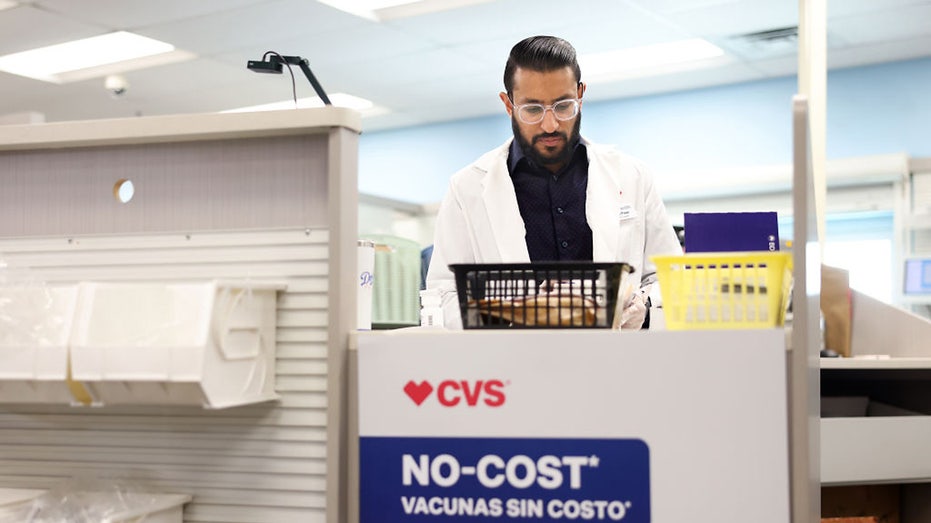
A CVS pharmacist prepares vaccinations at a store in Huntington Park, Calif.(Christina House / Los Angeles Times via Getty Images, File / Getty Images)
CVS, in its legal defense against such state laws, has previously argued that its PBMs already comply with existing regulations requiring equitable reimbursement for non-affiliated pharmacies and prohibiting patient steering. However, critics like NCPA maintain that the inherent structure of vertical integration creates an irresistible incentive for self-dealing. “In some instances, they pay themselves more than they pay other pharmacies,” Hoey asserted, echoing a common complaint from independent pharmacists.
Despite the potential benefits, some concerns linger. The NCPA pointed out that existing CVS Health investors will hold shares in both new companies. This continued shared ownership, Hoey cautioned, could still incentivize the two entities to favor one another, potentially undermining the goal of true market competition. “We need more information as to how they’re going to be regulated,” he emphasized, signaling that the effectiveness of the split will heavily depend on future oversight.

As a standalone entity, the CVS retail pharmacy business could see more store closures, Hoey says.( Paul Weaver/SOPA Images/LightRocket via Getty Images, File / Getty Images)
Another point of contention is the retention of CVS Specialty within the healthcare solutions division, rather than the retail pharmacy business. CVS Specialty handles high-cost medications for complex conditions like cancer, multiple sclerosis, and rheumatoid arthritis, including lucrative GLP-1 drugs such as Ozempic. Hoey expressed concern that maintaining this highly profitable mail-order operation under the PBM and insurance umbrella could perpetuate conflicts of interest related to patient steering and drug rebate arrangements, particularly in a segment critical for patient care and drug expenditure. “They should behave like a regular pharmacy, but we’ll see how that goes,” Hoey added, underscoring the ongoing need for transparency and robust regulatory frameworks.
CLICK HERE TO GET FOX BUSINESS ON THE GO
CVS did not immediately respond to FOX Business’ request for comment on these specific concerns.
Market Impact
CVS Health’s planned split represents a significant inflection point for the broader healthcare market. While the immediate 13% drop in CVS shares reflects short-term uncertainty and the loss of the perceived “synergistic benefits” of its integrated model, the long-term implications are far-reaching. The move could pressure other vertically integrated healthcare giants, like UnitedHealth Group (which owns OptumRx) and Cigna (which owns Express Scripts), to re-evaluate their own structures in the face of similar regulatory scrutiny and investor demands for clearer valuations. For independent pharmacies and smaller PBMs, this divestiture could signal a potential renaissance for competition, fostering more equitable reimbursement practices and expanding patient choices. Ultimately, by disaggregating its diverse operations, CVS Health is not only attempting to optimize its own corporate structure but also initiating a ripple effect that could reshape competitive dynamics, accelerate pricing transparency, and potentially lead to more cost-effective drug access across the entire healthcare ecosystem.