
Major Food Group chef and co-owner Mario Carbone discusses how rising prices have affected the restaurant and food industries as a whole on ‘The Claman Countdown.’
**Key Takeaways:**
1. **Operational & Reputational Blow:** The E. coli recall of Family Farmstead Dairy’s raw cheddar cheese presents an immediate and substantial financial burden, encompassing direct costs for logistics, testing, disposal, potential legal fees, and severe, long-term brand erosion for a niche producer.
2. **Eroding Consumer Confidence & Niche Market Risk:** This incident, particularly involving a “raw” dairy product, threatens to undermine consumer trust in specialty food items and the broader food safety framework, potentially shifting purchasing behaviors away from premium, less-processed goods and increasing demand for rigorous third-party certifications.
3. **Heightened Supply Chain Scrutiny & Cost Pressures:** The recall highlights inherent vulnerabilities within food supply chains, especially for smaller, less capitalized operations. This could lead to increased regulatory oversight, escalating compliance costs across the food sector, and ultimately contribute to inflationary pressures as producers invest more heavily in preventative safety measures and robust quality control.
—
**Worcester, NY** – As consumers grapple with persistently high food prices, a sentiment echoed by industry leaders like Major Food Group chef Mario Carbone, a recent raw cheddar cheese recall by Family Farmstead Dairy serves as a stark reminder of the hidden costs and systemic risks embedded within the food supply chain. This incident not only poses a direct financial threat to the small New York-based dairy but also carries broader implications for consumer confidence, regulatory oversight, and the inflationary trajectory of the specialty food market.
The U.S. Food and Drug Administration (FDA) issued a notice on October 15, urging shoppers across at least seven states—New York, Pennsylvania, New Jersey, Connecticut, Maryland, Virginia, and Massachusetts—to inspect their refrigerators for Family Farmstead Dairy Raw Mild Cheddar Cheese. The product, identifiable by lot code and best-by date 7/22/27, is being recalled due to potential contamination with dangerous strains of E. coli, specifically O26:H11 and O45:H2. While the company acknowledges the product may have reached additional states through downstream distributors, the immediate focus is on mitigating exposure in the initial distribution footprint.
The recall was initiated after rigorous testing in Maryland detected the hazardous bacterial strains in samples of the 8-ounce packages. Fortunately, as of the announcement, no illnesses or allergic reactions have been reported in connection with the recalled cheese. However, the potential health consequences are severe. E. coli O26:H11 and O45:H2 can cause acute gastrointestinal distress, including diarrhea and bloody stools. More critically, these strains can lead to Hemolytic Uremic Syndrome (HUS), a form of kidney failure that is particularly dangerous for young children and the elderly, with the potential for serious kidney damage and even death. The gravity of these health risks amplifies the financial and reputational stakes for Family Farmstead Dairy.
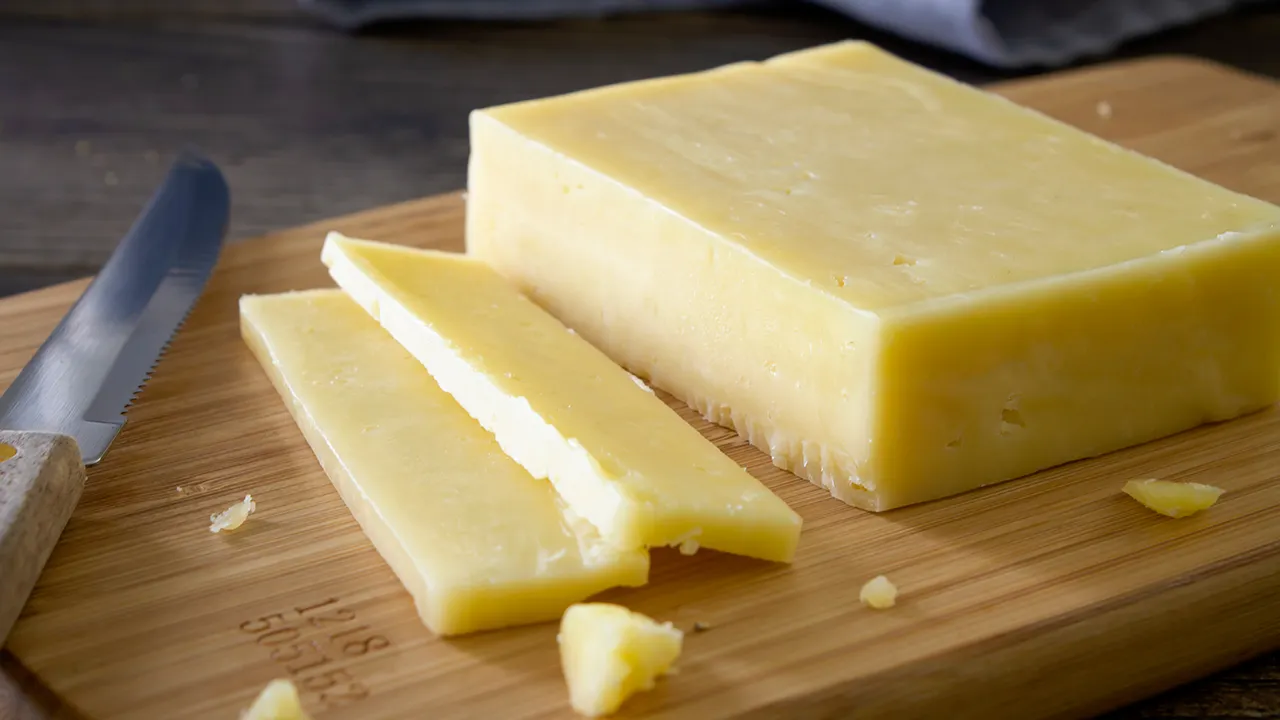
The cheese was distributed to grocers in New York, Pennsylvania, New Jersey, Connecticut, Maryland, Virginia and Massachusetts.(iStock)
For a small, likely privately-held entity like Family Farmstead Dairy, the financial fallout from such a recall can be catastrophic. The direct costs alone are substantial: retrieving inventory from retailers and consumers, safe disposal of contaminated products, extensive product testing, and the logistical nightmare of managing a multi-state recall. Beyond these immediate outlays, the dairy faces significant indirect costs. Lost sales from the recalled product are a given, but the ripple effect of diminished consumer trust in their entire product line, even those not included in the recall, could erode future revenue streams. Brand damage in the specialty food sector, where provenance and perceived quality command premium pricing, is particularly difficult to quantify but can be an existential threat. Litigation risk, stemming from potential future illness claims or regulatory fines, further adds to the precarious financial position.
This incident also shines a spotlight on the broader market for “raw” dairy products. Consumers often opt for raw milk cheeses for their purported natural benefits and unique flavor profiles, frequently paying a premium for these characteristics. A contamination scare like this directly challenges the perceived safety and quality of such products, potentially leading to a widespread dip in demand for raw cheese across the industry. This could disproportionately affect other small-to-medium sized artisan dairies that rely on this niche market segment, forcing them to re-evaluate their own testing protocols and safety assurances.
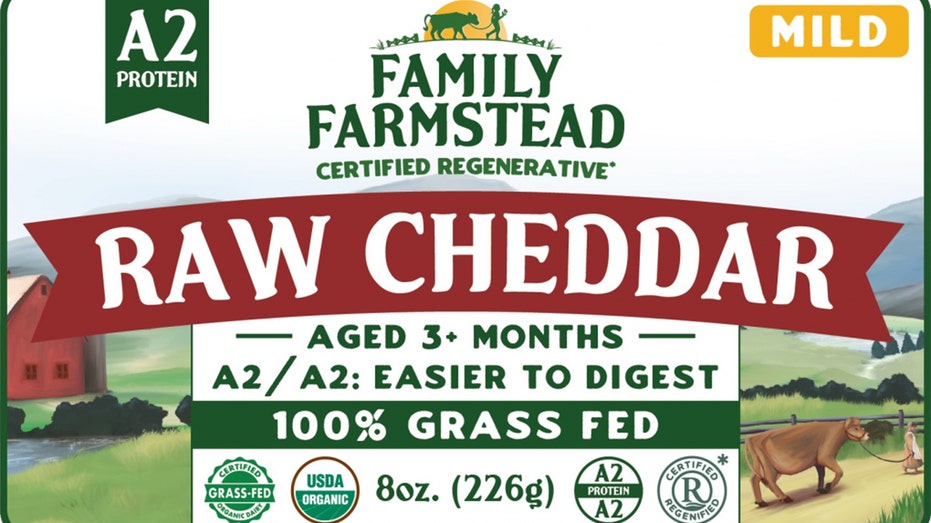
No illnesses or allergic reactions had been reported in connection with the recalled cheese as of the announcement.(U.S. Food and Drug Administration)
The context of rising prices across the food sector, as highlighted in the accompanying video discussing the restaurant industry’s challenges, is crucial. Food recalls represent unbudgeted expenses that producers are forced to absorb. These costs, whether for enhanced testing, improved manufacturing processes, or managing a crisis, ultimately contribute to the overall inflationary pressures experienced by consumers. For smaller companies, the inability to easily absorb such shocks can lead to higher prices for their remaining products, further squeezing consumer wallets, or worse, business failure.
The broader prevalence of recalls across diverse sectors underscores systemic vulnerabilities in global supply chains and quality control. Recent headlines have also featured Hyundai recalling over 94,000 vehicles due to fire risk and more than 82,000 rechargeable hand warmers pulled from the market for similar fire hazards. While different industries, these incidents collectively point to the increasing complexity and potential fragility of modern production and distribution networks. Each recall serves as a reminder to investors and consumers that product integrity is a constant, expensive battle.
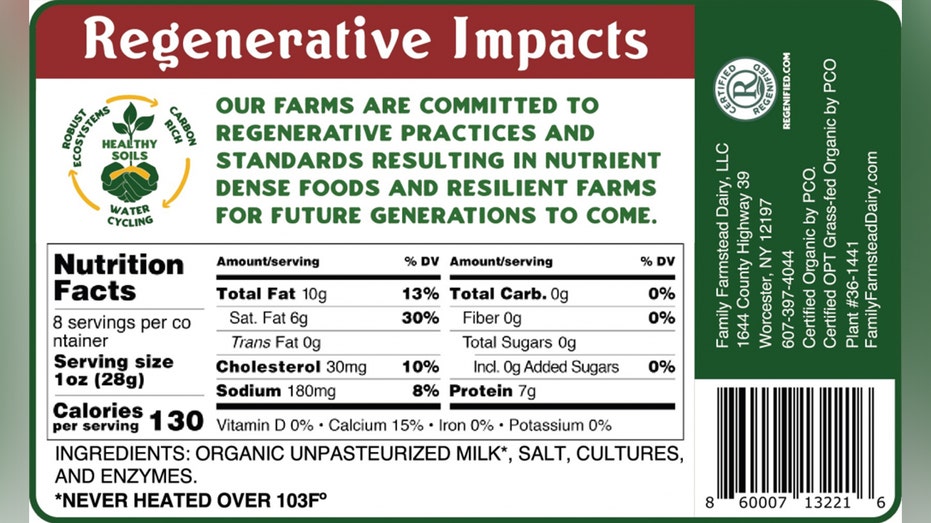
No other Family Farmstead Dairy products are included in the recall.(U.S. Food and Drug Administration)
Family Farmstead Dairy has expressed its “sincere apologies” to customers and partners, emphasizing its commitment to identifying the cause and implementing corrective actions. While such statements are standard, the execution of robust recovery and prevention strategies will be paramount to their long-term viability. Consumers who have purchased the recalled cheese are strongly advised not to consume it and to either dispose of it immediately or return it to the point of purchase for a full refund. The FDA’s investigation into similar outbreaks, such as the Cyclospora outbreak tied to Taylor Farms Iceberg Lettuce, underscores the persistent vigilance required in food safety.
**Market Impact:**
The Family Farmstead Dairy recall, while affecting a relatively small player, sends discernible ripples across the broader food sector and consumer goods markets. Investors will likely scrutinize companies’ quality control measures and supply chain resilience more closely, particularly for those operating in higher-risk segments like raw or minimally processed foods. This could lead to a flight to quality, favoring larger, publicly traded food companies with robust compliance departments and diversified product portfolios, over smaller, more vulnerable entities. Furthermore, the incident will likely fuel increased regulatory pressure from agencies like the FDA, potentially leading to stricter testing mandates and higher compliance costs across the industry. For consumers, this recall, alongside persistent inflationary pressures, reinforces a cautious purchasing environment where trust and verified safety certifications will become even more significant determinants of spending, potentially shifting demand away from niche, premium products towards perceived safer, mass-market alternatives. The overall impact could be an upward trajectory in operational costs for food producers, inevitably contributing to sustained food inflation, as the true cost of ensuring product safety is passed through the supply chain.