

Gary Kaltbaum, President of Kaltbaum Capital Management, examines the strain on semiconductor and artificial intelligence shares, the financial repercussions of elevated petroleum and natural gas costs, and the fiscal strategy overseen by Federal Reserve Chairman Jerome Powell on Varney & Co.
The head of an industry association, which advocates for the majority of prominent car manufacturers, urged the national administration to abolish its fuel levy and substitute it with a levy on motor vehicles to fund necessary road upkeep and development.
John Bozzella, CEO of the Alliance for Automotive Innovation, whose organization acts for automotive producers like General Motors, Toyota, Volkswagen, Hyundai, and other primary vehicle makers, presented a plan advocating for the federal government to tackle the increasing deficit in the Transportation Trust Fund by implementing a vehicle charge.
This suggestion would operate similarly to a motor vehicle enrollment charge, levied on every vehicle according to its mass, and was initially disclosed by Reuters. This emerges as the national administration’s existing ground transit legislation is slated to conclude on September 30, potentially instigating discussions concerning alterations in strategy.
“This approach would ensure every vehicle on the road pays its share towards sustaining the nation’s transport system,” Bozzella stated. “Individuals operating older, less economical vehicles or covering extensive distances shoulder the monetary responsibility. This is inequitable.”
AMERICANS ABANDON ELECTRIC VEHICLES FOR LARGER AUTOMOBILES AS AUTOMOTIVE PATTERNS SHIFT
An auto industry trade group is calling for a new vehicle registration tax to replace the gas tax. (Al Drago/Bloomberg via Getty Images)
The Roadway Investment Fund, which funds the national administration’s ground transport initiatives encompassing motorways and public conveyance, is anticipated to become bankrupt in 2028, at which point it would encounter a 46% reduction in expenditures, as per the impartial Committee for a Prudent National Budget.
Income generated by the 18.4-cent per gallon fuel excise duty has fallen by 60% in actual value, since the national fuel impost has not been raised since 1993 and was not adjusted for rising costs.
THE $10,000 AUTOMOBILE FINANCING TAX CREDIT: DISCOVER ELIGIBILITY AND METHODS FOR APPLICATION
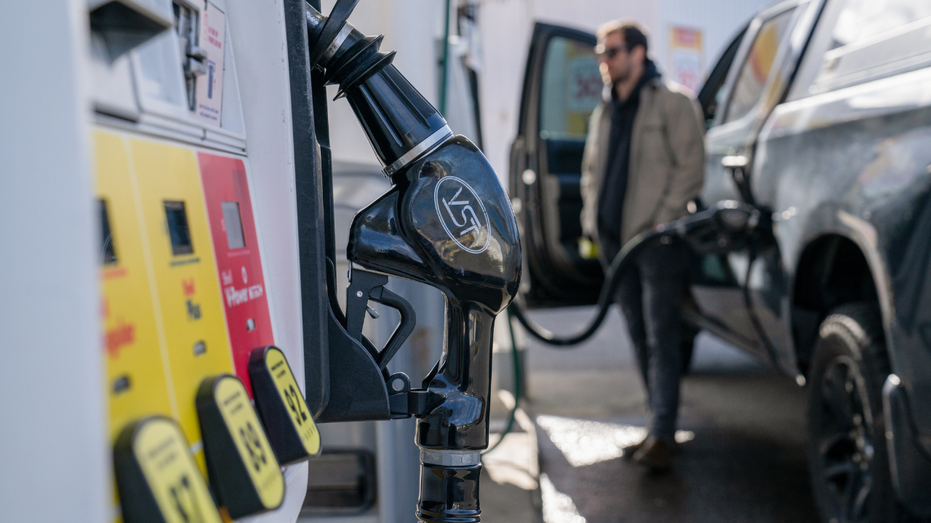
The federal gas tax hasn’t been raised since 1993 and has eroded due to inflation. (M. Scott Brauer/Bloomberg via Getty Images / Getty Images)
This deficit has compelled the Legislature and subsequent governments to reallocate more than $275 billion from the national administration’s primary treasury to assist in covering road maintenance expenses since 2008, given that expenditures have persistently exceeded income.
Revenue from the fuel impost has similarly decreased with the rise of battery-powered cars (EVs) and increasingly economical hybrid automobiles, which lessen how often motorists need to refuel.
AUTOMOBILE VENDORS CAUTIONED BY FTC ABOUT MISLEADING COST STRATEGIES, CONCEALED CHARGES
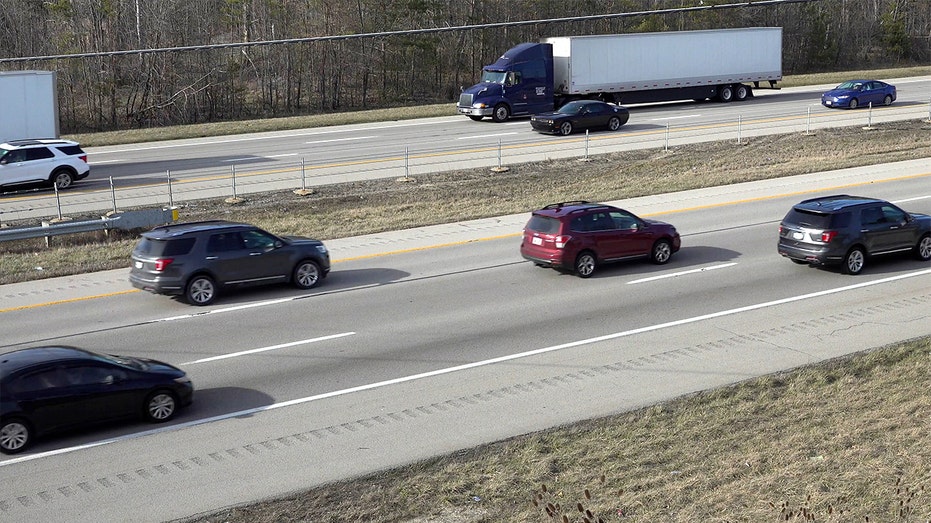
The Highway Trust Fund helps finance federal spending on surface transportation programs. (Stephen Goin / Fox News)
A plan put forth by Congressional Republicans last year would have levied a fresh yearly charge of $250 on electric vehicles and $100 for hybrid electric vehicles, however, it was not incorporated into the Comprehensive Legislative Measure Act.
In the preceding year, a pro-EV organization dubbed the Electrification Coalition contended that the suggested $250 charge on electric vehicles was unjust, since a typical gasoline-fueled automobile contributes merely $88 annually in national fuel levies.
ACCESS FOX BUSINESS ANYWHERE BY SELECTING THIS LINK
This report includes contributions from Reuters.