

Anthony Chan, previously the lead financial analyst for JP Morgan Chase, explains the surge in petroleum costs on Varney & Co.
Most recentinflationfigures released by the Department of Labor indicated that cost escalations maintained a consistent rate in February, although certain goods experienced significant price rises or reductions.
The Bureau of Labor Statistics reported that theconsumer price index(CPI) climbed 2.4% compared to the prior year in February. This figure was consistent with projections from economists surveyed by LSEG and remained static compared to January’s figure.
Core CPI inflation – representing data that omits unstable components like food and fuel costs – increased by 2.5% in February. This also aligned with forecasts and remained at the same level as the previous month.
Both the headline and core CPI figures surpassed the Federal Reserve’s long-term objective of 2% yearly price growth. However, they remained significantly beneath the 9.1% peak observed in June 2022, which occurred during the pandemic-period inflationary spike.
INFLATION MAINTAINED STABILITY IN FEBRUARY AND PERSISTED HIGHER THAN THE FEDERAL RESERVE’S GOAL
The BLS stated that headline inflation increased by 2.4% from the previous year, whereas core CPI rose by 2.5% in February.(Kena Betancur/Bloomberg/Getty Images / Getty Images)
This section provides an overview of some common goods from the February CPI report that experienced significant rises or falls in their costs.
Escalating Costs
Coffeecosts increased by 18.4% compared to the prior year in February. The U.S. sources most of its coffee from abroad, and these imports faced elevated customs duties for much of 2025 until a waiver was implemented to mitigate cost-related worries.
Lettuce costs climbed 15.3% year-over-year through February, featuring a 12.2% one-month rise. Several elements have influenced lettuce prices, such as a disease impacting some California-grown lettuce,agricultural labordeficiencies owing to immigration enforcement, and a periodical shift between cultivation areas.
BEEF PRICES SURGE AS AMERICAN FAMILIES FACE ELEVATED COSTS FOR STEAKS AND BURGERS ACROSS THE NATION
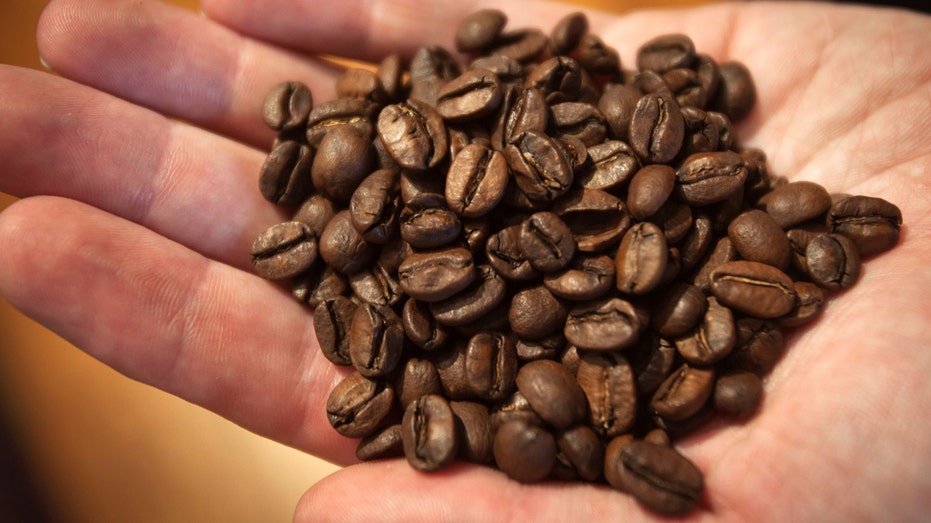
Coffee costs spiked during the past year, primarily owing to tariffs.(Carlo Allegri/Reuters / Reuters Photos)
Beef and veal costs grew 14.4% annually. Within this segment, beef steaks saw a rise of 16.3%, whereas ground beef was up 15.2%, and beef roasts climbed 12.4%. Thesebeef priceshave escalated because the U.S. livestock count is the lowest in seven decades, owing to drought and wildfires in primary livestock areas, coupled with elevated operational expenses confronting cattle farmers.
Audio equipmentcosts ascended 13.5% yearly through February. A confluence of tariffs, escalating unprocessed material expenses for items like copper and gold, alongside heightened demand for parts such as chips (also utilized in artificial intelligence data facilities), collectively fueled this increase.
Utility gas servicecosts advanced by 10.9% from the previous year in February, encompassing a 3.1% one-month climb. Natural gas prices were unstable during international political strife before the commencement of the Iran war at February’s end, and also owing to heightened need for U.S. natural gas shipments to Europe and Asia.
HOW THE IRAN WAR COULD IMPACT AMERICANS’ FOOD EXPENSES

Egg costs are stabilizing following an avian flu epidemic that triggered a significant cost escalation over recent years.(Ronaldo Schemidt/AFP)
Declining Costs
Egg pricesdropped sharply by 42.1% in February versus the previous year, featuring a 3.8% one-month reduction. This decline is happening as the egg distribution network stabilizes after an avian flu epidemic affected stock quantities in recent years, which had previously led to significant cost hikes.
Smartphone pricesdecreased 13.9% from the prior year in February, partly due to the fact that the BLS index incorporates older smartphone models that have been reduced in price and also considers technological advancements. This implies that a device with enhanced features at a greater cost might be registered as a cost reduction owing to its proportional enhancement in functionality. Furthermore, smartphones were mostly free from customs duties in 2025, in contrast to some other electronic devices like audio equipment.
Tax returnpreparation and accounting fees decreased 6.4% during the past year. This reduction was attributed to the incorporation of artificial intelligence into tax software, alongside the growth of the IRS’ Direct File and Free File programs and the introduction of more simplified tax documents for individual taxpayers.
WILL UTILIZING OIL RESERVES RESTRAIN ESCALATING FUEL COSTS?

The conflict in Iran has elevated petroleum and fuel costs subsequently after the BLS gathered information for the February inflation report.(Giuseppe Cacace/AFP via Getty Images)
Gasoline pricesdecreased by 5.6% annually in February, including a 0.8% monthly rise. The BLS’ information was gathered before the commencement of the Iran war, an event that has driven petroleum and gasoline prices substantially upward over the past few weeks.
Televisioncosts dropped 4.1% over the past year through February, maintaining a long-established trend of price reduction for TVs. The BLS employs an analogous method for televisions as it does for smartphones; therefore, enhanced functionalities or bigger televisions can lead to a documented decrease in prices owing to technological and functional enhancements.
ACCESS FOX BUSINESS MOBILE BY SELECTING THIS LINK