
Citrus fruits are cultivated within a shielding enclosure in Bartow, Florida.(FOX News)
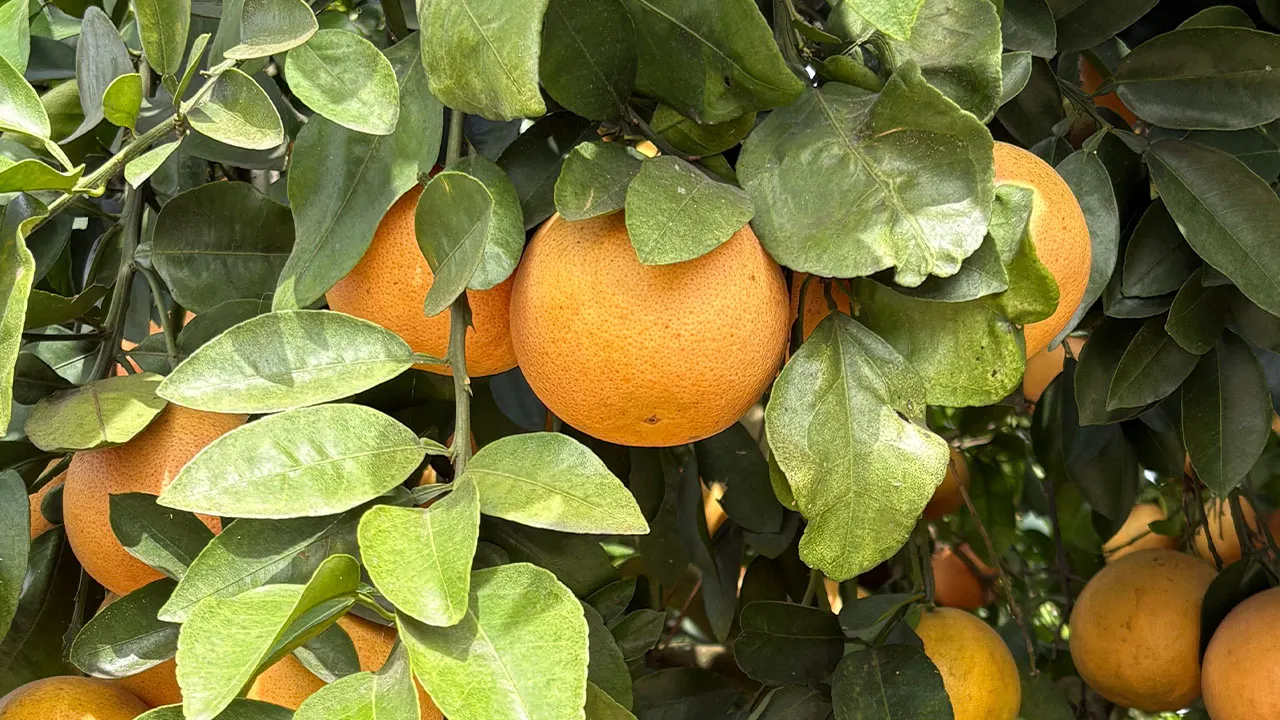
BARTOW, Florida – The citrus sector, already afflicted by ailments, tropical storms, and escalating expenses, is now grappling withits most severe drought in a quarter-century, further exacerbating its challenges.
The U.S. Drought Monitor reports that the entire state is undergoing drought conditions to varying degrees, with over three-quarters facing severe aridity. This prolonged dryness imposes fresh fiscal burdens on cultivators who are highly dependent on irrigation to maintain their yields.
As per the Florida Department of Agriculture and Consumer Services, the state contributes 17% of the country’s citrus output. This sector continues to serve as a vital economic engine for numerous communities.
“Numerous enterprises exist throughout our county and state, and this industry unquestionably serves as a crucial support system for many Floridians,” stated Jennifer Schaal, VP of finance at Dundee Citrus Growers Association. “It is what they count on for sustenance.”
USDA ATTRIBUTES SUCCESS TO TRUMP TRADE AGREEMENTS AS AGRICULTURAL SHORTFALL DIMINISHES AND THE FARM SECTOR ADVANCES
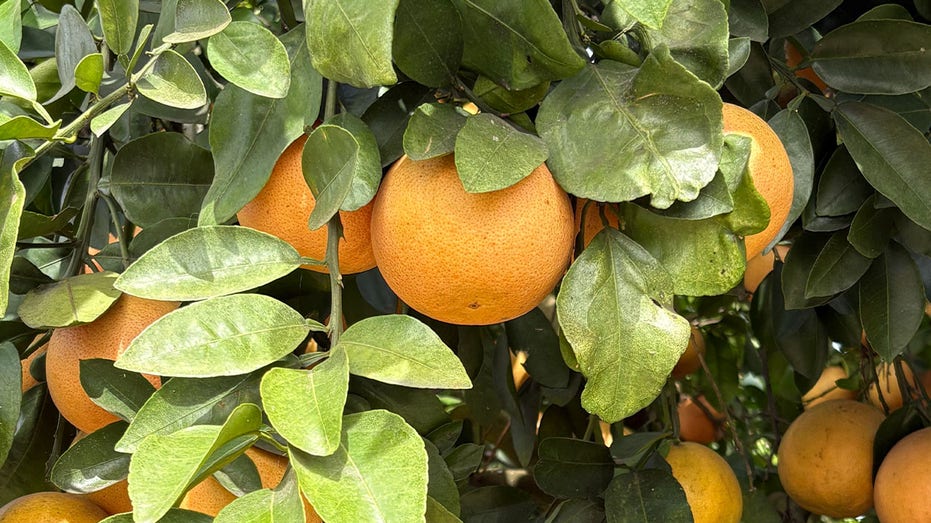
Florida yields almost 20% of the country’s citrus harvest, encompassing grapefruit.(FOX News / Fox News)
Yet, for agriculturalists in Florida, nature has provenhighly unreliable.
In 2000, the state’s citrus sector occupied more than 800,000 acres. However, as reported by the U.S. Department of Agriculture, this acreage has now dwindled to just over 200,000, attesting to years of pestilence burden and tempest destruction.
Steven Callaham, executive vice president and CEO of Dundee Citrus Growers Association, stated that “The foremost obstacle the industry has encountered throughout the decades is citrus greening disease.” He added, “Compounding this issue, we have also endured multiple tropical cyclones.”
RECENT TROPICAL CYCLONES LEAD TO FLORIDA CITRUS OUTPUT DECLINING AS FARMS STRUGGLE TO RECOVER FROM DEVASTATION
Lately, freezing temperatures, along with the current drought conditions, have exacerbated these difficulties.
Callaham elucidated, “Irrigation necessitates a pump, which is driven by either diesel or electricity, making it exorbitantly costly.”
The Dundee Citrus Growers Association stands as one of Florida’s foremost fresh fruit cooperatives, cultivating citrus on more than 10,000 acres.
Bill Bohde, director of agronomy at Dundee Citrus, further noted, “The past year has proven arduous. During the flowering season, water is essential. Its availability influences the fruit’s development and caliber, and ultimately, the volume of your harvest.”
The Dundee Citrus Growers Association employs pods to cultivate citrus fruits beneath a shielding canopy in Florida.(Amy Galo / Fox News)
With citrus acreage diminishing across the region, the company has discovered an answer for the numerous natural impediments through a system known as “CUPS,” or Citrus Under Protective Screens.
Orange groves are cultivated beneath 10-acre white canopy enclosures, referred to as pods. These structures, initially implemented to avert ailments in citrus plants, are also aiding cultivators in optimizing the management of soil moisture amidst the unprecedented aridity.
CITRUS SECTOR FORCED INTO A DEFENSIVE STANCE: MATT JOYNER
Bhode clarified, “All water is channeled via a network of conduits into this black hosing, and each tree is equipped with a minute dispenser that releases a measured quantity of water.”
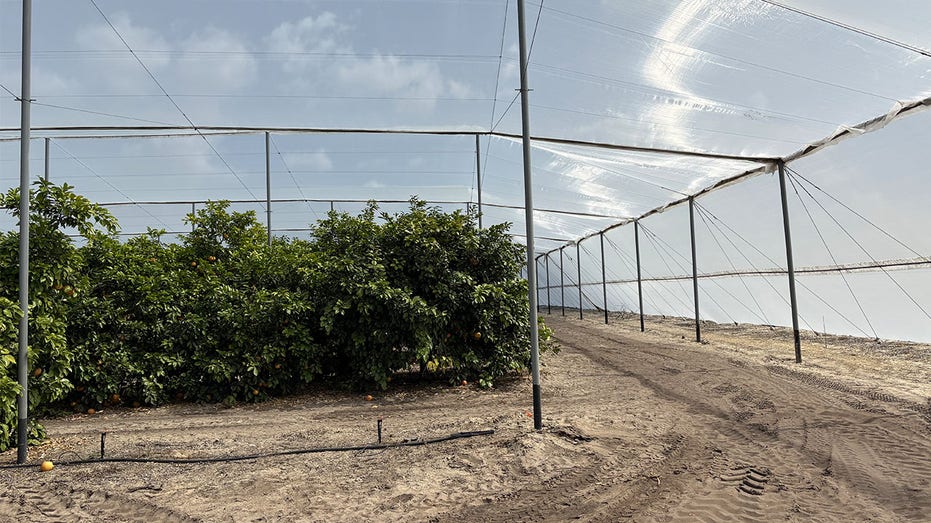
Citrus fruit plants flourish beneath a sheltering canopy in Bartow, Florida.(Amy Galo)
This system enables accurate watering, fostering a regulated setting capable of sustaining fruit yield even during extended periods of drought.
Citrus fruit plants flourish beneath a sheltering canopy in Bartow, Florida.(Amy Galo)
Callaham asserted, “Each ten-acre pod is projected to yield between 8,000 and 10,000 boxes. The trees within this setting appear content. They develop more rapidly than those in conventional open-air orchards and begin bearing fruit sooner. Therefore, this represents a viable method for us to truly revitalize the sector.”
USDA output statistics indicate varied outcomes for different citrus varieties. Florida’s lemon production rose by 4% compared to the previous season, whereas tangerine and tangelo yield remained constant. Grapefruit production decreased by 8%, and non-Valencia orange output dropped by 2%, as reported by the agency.
ACCESS FOX BUSINESS ANYWHERE, ANYTIME BY CLICKING HERE
Callaham declared, “Were I not hopeful, I would not be involved in the citrus enterprise.” He concluded, “I believe we currently have many favorable aspects working in our favor. The obstacles we face are transient, and we will undoubtedly overcome them.”