
Eight individuals died on August 20 when a civilian aircraft, contracted by the U.S. Army Corps of Engineers (USACE), crashed near a remote radar facility in southwestern Alaska. The incident occurred approximately 450 miles from its departure point in Anchorage, claiming the lives of everyone onboard.
The Federal Aviation Administration (FAA) reported that the Cessna 441 turboprop aircraft went down west of the Cape Newenham Long Range Radar Site at approximately 12:15 p.m. local time. Officials from NORAD’s Alaskan Region and the 11th Air Force confirmed the tragic loss of all eight occupants, emphasizing there were no survivors at the crash site.
Initial information indicates that two employees of the U.S. Army Corps of Engineers were among the deceased. While NORAD confirmed that none of its personnel were on the flight, U.S. Senators Lisa Murkowski and Representative Nick Begich, both representing Alaska, stated via social media that the aircraft belonged to Security Aviation. Security Aviation is an air charter company known for providing transportation services to isolated locations across Alaska. The identities of all eight passengers and crew members are being withheld pending notification of their next of kin, a standard procedure allowing for a 24-hour period before public release.
A comprehensive investigation into the cause of the crash has been initiated by both the FAA and the National Transportation Safety Board (NTSB). These agencies are responsible for aviation safety and accident investigation, respectively, and will examine factors such as mechanical issues, weather conditions, pilot actions, and air traffic control communications.
Following the incident, the Alaska Air National Guard rapidly deployed search and recovery assets to the remote crash site. Response teams included HH-60W Pave Hawk helicopters, an HC-130J Combat King II personnel recovery aircraft, and specialized Guardian Angel Airmen. These highly trained teams are equipped for complex rescue operations in challenging environments, underscoring the demanding conditions of the Alaskan wilderness.
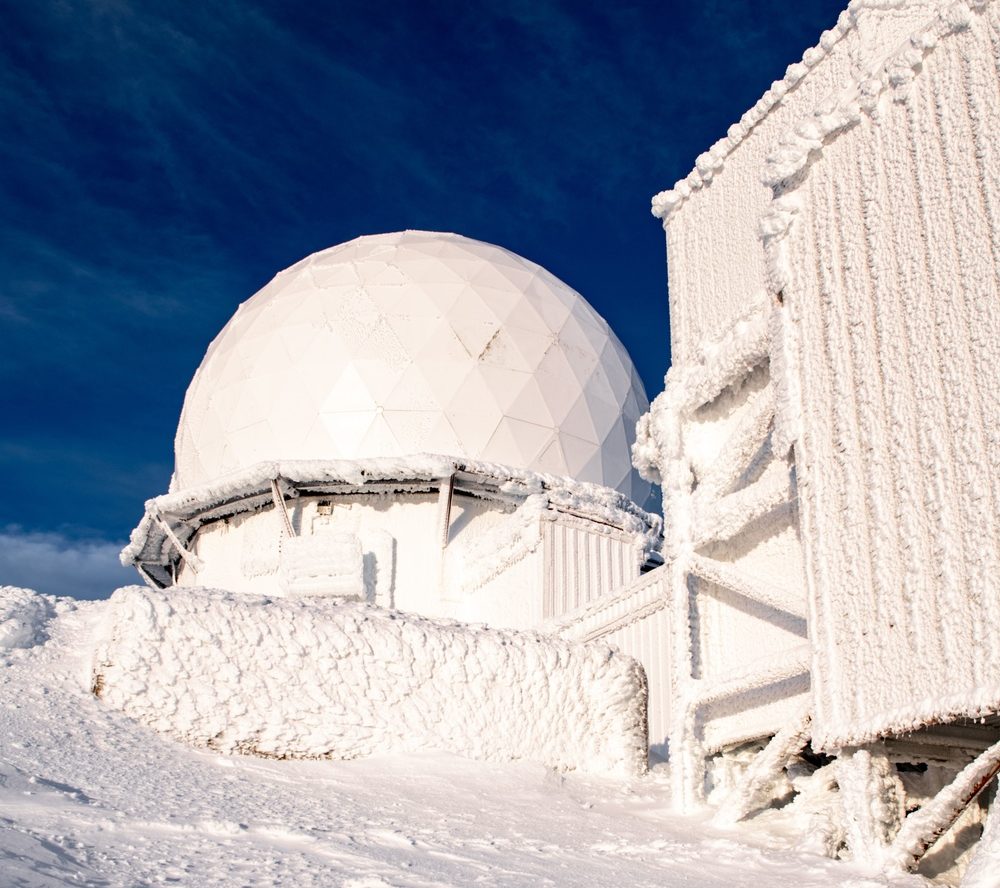
The Cape Newenham Air Force Station, where the crash occurred, is a historically significant installation. Established in 1954, it was one of more than a dozen long-range radar sites strategically positioned across the Arctic during the Cold War. Its primary mission was to monitor for potential Soviet military activity in the region, operating under the 794th Aircraft Control and Warning Squadron, which at its peak housed over 100 military personnel.
Over time, as technology advanced and geopolitical landscapes shifted, the site’s operations evolved. By 1983, its AN/FPS-117 radar system was upgraded to transmit data via satellite, reducing the need for a large on-site military presence. Consequently, the 794th squadron was deactivated, and the maintenance and operation of the facility transitioned to civilian contractors. This model of utilizing contractors for remote, non-combat support roles is common across various U.S. military installations, particularly in isolated areas where specialized skills and cost-efficiency are paramount.
Today, Cape Newenham is an integral part of the Alaska Radar System, a network comprising 15 remote long-range radar sites and three remote radio sites. This system is managed by the Pacific Air Forces Regional Support Center, which is responsible for tracking aircraft movements throughout Alaskan airspace. The strategic importance of these sites remains high, as they play a crucial role in supporting NORAD (North American Aerospace Defense Command) in its mission to monitor and defend North American airspace, particularly in the Arctic region which has seen increased global interest and activity.
Located on a sprawling 2,359-acre property, the Newenham site features an upper and lower camp with approximately a dozen buildings, including an AN/FMQ-22 automatic meteorological station crucial for reporting local weather. It is equipped with a 3,950-foot gravel runway, which serves as its primary lifeline to the outside world. The site is designed to support up to 22 personnel, and its airstrip accommodates an estimated 170 flights annually, with roughly a third of these carrying passengers for personnel rotations, supply deliveries, or maintenance work.
Radar sites like Cape Newenham are renowned for their extreme isolation and exposure to severe weather conditions, with an average annual temperature of 33 degrees Fahrenheit. Such environments present significant logistical and operational challenges, making air travel an essential yet often hazardous mode of transportation. Alaska, with its vast wilderness and limited road infrastructure, relies heavily on aviation to connect communities and support vital operations, inherently increasing the risks associated with flying.
Lt. Gen. Robert Davis, commander of Alaskan Command, the Alaskan NORAD Command Region, and 11th Air Force, issued a statement following the tragedy. He described the incident as “a devastating loss for our military family and the communities we serve.” General Davis further acknowledged the victims as “dedicated professionals carrying out a vital mission in a demanding environment,” extending his deepest condolences to the families, friends, and colleagues, and expressing gratitude for the rapid response of search and recovery teams.
Why This Matters
The crash of the civilian plane near Cape Newenham underscores several critical aspects of U.S. defense operations, the challenges of remote logistics, and aviation safety in extreme environments.
**Human Cost and Operational Continuity:** The loss of eight lives, including two U.S. Army Corps of Engineers employees, represents a significant human tragedy. It highlights the risks taken by individuals, both military and civilian contractors, who support vital national security missions in challenging and remote locations. While the immediate operational impact on the Cape Newenham radar site is likely minimal given its robust infrastructure and contractor-based model, any such incident can disrupt personnel rotations and supply chains, requiring temporary adjustments to maintain continuity.
**Strategic Importance of Arctic Infrastructure:** Remote radar sites like Cape Newenham are crucial components of NORAD’s layered defense strategy, particularly in the Arctic. In an era of renewed geopolitical competition, especially with nations like Russia and China showing increased interest and activity in the Arctic region, maintaining robust surveillance capabilities is paramount for homeland defense and early warning. The incident draws attention to the often-unseen infrastructure and personnel that enable this continuous monitoring, reinforcing the strategic value of these isolated outposts.
**Reliance on Civilian Contractors and Alaskan Aviation:** This event highlights the extensive reliance of the U.S. military on civilian contractors for non-combat support functions, logistics, and maintenance, especially in specialized and remote environments. While cost-effective and efficient, this model also transfers certain operational risks to private entities and their personnel. Furthermore, the incident serves as a stark reminder of the inherent dangers of aviation in Alaska, where vast distances, rugged terrain, and unpredictable weather make air travel a necessity but also a constant challenge. The ongoing investigation by the NTSB and FAA will be critical in identifying any systemic issues or specific factors that contributed to the crash, potentially leading to enhanced safety protocols for both military-contracted flights and general aviation in remote Alaskan regions. Lessons learned from this tragedy could influence future operational procedures and contractual agreements for flights supporting critical defense infrastructure.