
‘Barron’s Roundtable’ panelists break down the Magnificent Seven and other stocks gaining traction.
Key Takeaways for Investors and Industry:
1. Escalating Operational Costs & Brand Erosion:The recall of over 160,000 pounds of Farm Rich Pizza Cheese Crunchers represents a significant, unbudgeted expense for Rich Products Corp., a privately held entity. Beyond the immediate logistical and destruction costs, the incident threatens long-term brand equity and consumer trust in a highly competitive frozen food market.
2. Heightened Regulatory Scrutiny on CPG:This Class II recall, following other high-profile incidents across various sectors (from automotive to kitchen appliances) and even within the frozen pizza category, underscores a broader trend of increased regulatory vigilance. Food manufacturers should anticipate stricter compliance demands and potential for more frequent, costly recalls impacting profitability.
3. Supply Chain Vulnerability and Consumer Confidence:The suspected metal contamination highlights persistent vulnerabilities within complex food supply chains. While Rich Products manages the fallout, the ripple effect on consumer confidence in convenience foods could impact sales across the broader Consumer Packaged Goods (CPG) sector, driving demand for greater transparency and quality assurance from all brands.
NEW YORK –In a stark reminder of the persistent operational risks within the consumer packaged goods (CPG) sector, Rich Products Corp., a prominent player in the frozen food industry, has initiated a voluntary recall of over 160,000 pounds of its Farm Rich Pizza Cheese Crunchers. The recall, impacting thousands of cases distributed across 21 states, stems from the potential presence of metal pieces – a discovery that casts a shadow over product safety protocols and injects further uncertainty into a market already navigating inflationary pressures and shifting consumer preferences.
The incident, classified as a Class II health risk by the U.S. Food and Drug Administration (FDA), implies that consumption could lead to temporary or medically reversible adverse health consequences. While no injuries have been reported, the sheer volume of the recalled product – 6,408 cases of the Farm Rich Pizza Cheese Crunchers with a best-by date of July 7, 2027, UPC 041322652256, and lot number 003029976 – signals a substantial financial and reputational challenge for the New York-based, privately held company.
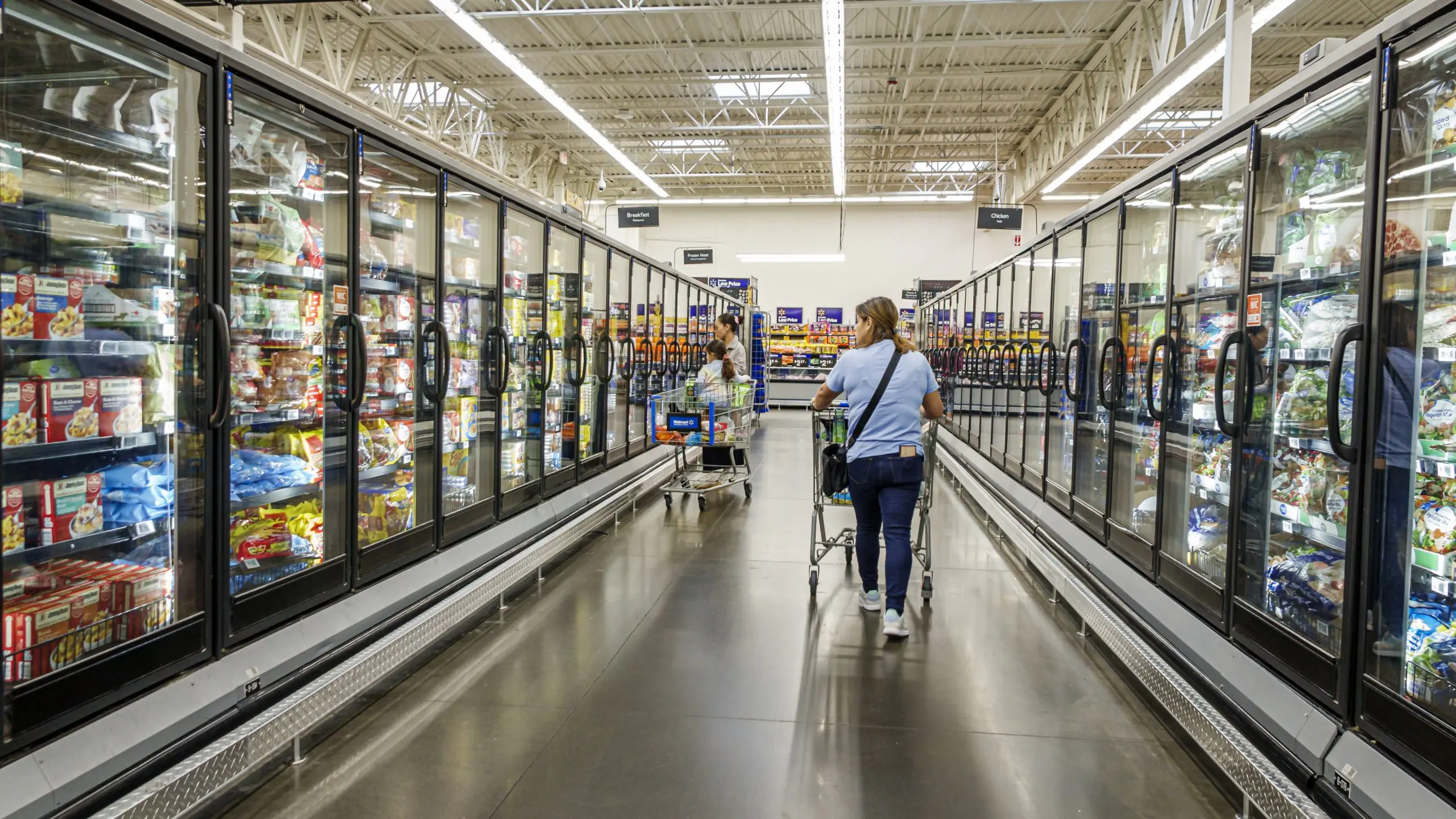
Thousands of cases of a frozen pizza snack sold in 21 states are being recalled because it may contain metal pieces.(Jeffrey Greenberg/Universal Images Group via Getty Images / Getty Images)
Rich Products Navigates Reputational and Financial Headwinds
As a privately owned entity, Rich Products Corp. is spared the immediate scrutiny of public market investors reacting to stock price fluctuations. However, the financial implications of such a large-scale recall are profound. Costs will accrue from various fronts: the logistical nightmare of identifying and retrieving affected products from retailers across Alabama, Arkansas, California, Florida, Georgia, Indiana, Iowa, Kansas, Kentucky, Maryland, Michigan, Missouri, New Jersey, New York, North Carolina, Ohio, Pennsylvania, South Carolina, Tennessee, Texas, and Wisconsin; the destruction of unsaleable inventory; investigative expenses to pinpoint the source of contamination; and potentially, increased product liability insurance premiums.
Beyond the direct financial outlays, the recall poses a significant threat to the Farm Rich brand, a household name synonymous with convenient, family-friendly frozen snacks. In an era where consumer trust is hard-won and easily lost, a product safety breach can have lasting repercussions on brand loyalty and future sales. Competitors in the highly fragmented frozen snack market may seize this opportunity, while consumers might opt for perceived safer alternatives, forcing Rich Products to invest heavily in crisis communications and enhanced quality assurance measures to restore confidence.
Broader Industry Implications and Supply Chain Vulnerabilities
This incident is not isolated, but rather part of a disconcerting trend highlighting systemic vulnerabilities within complex food manufacturing supply chains. The origin of the metal pieces – whether from raw material suppliers, processing equipment, or packaging – remains undisclosed by the FDA. Regardless of the source, it underscores the critical need for robust quality control checkpoints at every stage, from ingredient sourcing to final product packaging. For the broader CPG sector, this recall serves as a stark reminder that even minor contaminants can lead to major disruptions, escalating compliance costs, and potential regulatory fines.
The convenience food segment, in particular, which relies heavily on consumer trust for its quick-serve appeal, could face headwinds. If consumers begin to question the safety of frozen, pre-packaged meals and snacks, the entire category’s growth trajectory could be impacted. Retailers, already grappling with supply chain volatility and inventory management challenges, must also contend with the operational burden of managing recalled products, further stressing their margins and operational efficiency.
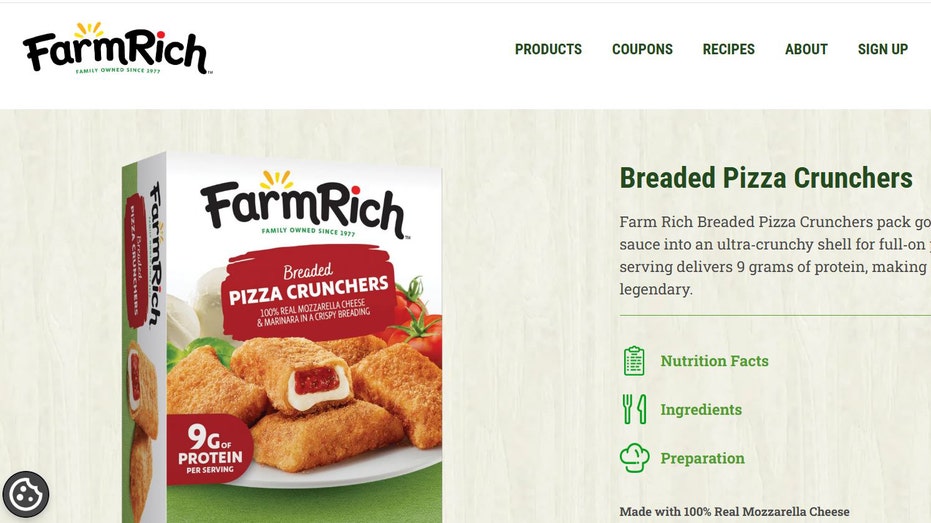
Rich Products Corp. voluntarily issued the recall of 6,408 cases or more than 160,000 pounds of its Farm Rich Pizza Cheese Crunchers, according to the U.S. Food and Drug Administration.(farmrich.com / Unknown)
A Landscape of Heightened Regulatory Scrutiny
The FDA’s Class II designation, while not as severe as Class I (which indicates a high probability of serious adverse health consequences or death), nonetheless signals a significant health concern that demands immediate attention. This particular recall joins a growing list of product safety alerts that have recently captured headlines, indicating a broader trend of heightened regulatory oversight and consumer vigilance.
Weeks prior, another frozen pizza recall over salmonella concerns affected products sold at Walmart and Aldi. Beyond the food sector, the automotive industry saw Ford recall over 255,000 vehicles due to engine stall risks, and more than 17,000 coffee makers were recalled after dozens of reported burn injuries. These seemingly disparate incidents collectively paint a picture of an environment where manufacturers across all industries are under increasing pressure to ensure product integrity. For investors, this trend translates into potentially higher compliance costs, greater capital expenditure on quality control systems, and a need for companies to factor recall risks more prominently into their financial models.
WHITE OAK, MD – JULY 20: A sign for the Food And Drug Administration is seen outside of the headquarters on July 20, 2020, in White Oak, Maryland. ((Photo by Sarah Silbiger/Getty Images) / AP Newsroom)
CLICK HERE TO DOWNLOAD THE FOX NEWS APP
Market Impact: A Call for Resilience and Transparency
The Farm Rich recall, while directly impacting a private company, sends a clear signal across the broader market, particularly to the Consumer Packaged Goods (CPG) and retail sectors. Investors are increasingly evaluating companies not just on quarterly earnings, but also on their operational resilience, supply chain integrity, and crisis management capabilities. The rising frequency of recalls, whether due to contamination, mechanical failure, or software glitches, suggests that robust quality control and transparent communication are no longer merely best practices but critical components of a sustainable business model and a defensible investment thesis. Companies with strong Environmental, Social, and Governance (ESG) frameworks that prioritize product safety and ethical supply chains may find favor, while those with a history of recurrent issues could face significant investor skepticism and valuation discounts. The episode underscores the need for continuous investment in manufacturing technology, stringent supplier vetting, and proactive risk mitigation strategies to safeguard both public health and shareholder value in an increasingly complex global marketplace.