

Gerri Willis on what items to purchase at Costco and which items to avoid
Key Takeaways:
- **Brand Integrity at Risk:** Even minor public health alerts for undeclared allergens can dent consumer trust and brand equity for major retailers like Costco, particularly given their reputation for quality and value-driven membership model.
- **Supply Chain Vigilance is Paramount:** The incident underscores the critical importance of robust supply chain management, quality control, and supplier auditing for food companies and retailers to mitigate operational risks and potential financial liabilities.
- **Regulatory Scrutiny and Proactive Measures:** The USDA’s prompt public health alert, even without a formal recall, highlights increased regulatory oversight and the industry’s need for swift, transparent communication to manage food safety incidents and safeguard public health.
A recent public health alert from the U.S. Department of Agriculture (USDA) regarding an undeclared allergen in a frozen burrito sold at Costco has reignited discussions around food safety protocols, supply chain resilience, and the intangible value of brand reputation in the highly competitive retail food sector. While the immediate financial ramifications for warehouse giant Costco (NASDAQ: COST) may appear negligible, the incident serves as a crucial reminder to investors and stakeholders about the persistent operational risks inherent in the complex food supply chain.
The product in question, Red’s Steak Cilantro and Lime Burrito, produced on June 19, was found to contain egg, an allergen not declared on its label. These burritos were distributed to Costco stores across Illinois, Michigan, and Minnesota. The alert, issued by the USDA’s Food Safety and Inspection Service (FSIS), follows a consumer complaint that brought the discrepancy to the company’s attention. Crucially, a full-scale product recall was not initiated because the affected burritos are no longer actively for sale in stores, though they may still be present in consumers’ freezers.
For a retailer of Costco’s stature, which prides itself on a curated selection of quality goods offered at competitive prices, any lapse in product integrity can ripple through its carefully constructed brand image. Costco’s business model relies heavily on member loyalty, built on trust in the value and safety of its vast array of products, from bulk groceries to electronics. An undeclared allergen, particularly one as common as egg, poses a significant health risk to sensitive individuals and, by extension, a reputational risk to the retailer.
The U.S. Department of Agriculture has issued a public health alert for a frozen burrito sold at Costco because it contains an undeclared allergen.(USDA / Unknown)
The discovery mechanism itself—a consumer flagging the issue—underscores the need for multi-layered quality control, extending beyond internal checks to a responsive feedback loop. While no adverse reactions have been reported to date, the potential for such incidents to escalate into costly legal battles or widespread public relations crises is a constant concern for publicly traded food companies. The cost of managing such an alert, including internal investigations, communications with regulatory bodies, and potential customer service inquiries, can add up, even without the direct costs of a recall.
The broader context of food safety issues in the industry cannot be overlooked. Just recently, the market witnessed alerts for “MORE THAN 12,000 POUNDS OF BACON RECALLED AFTER USDA ISSUES HIGHEST-RISK ALERT” and ongoing concerns about outbreaks like Cyclospora. These incidents collectively highlight an industry-wide challenge in maintaining perfect consistency across vast and often global supply chains. For investors, these alerts serve as reminders that even seemingly minor production errors can trigger significant compliance costs and damage brand equity.
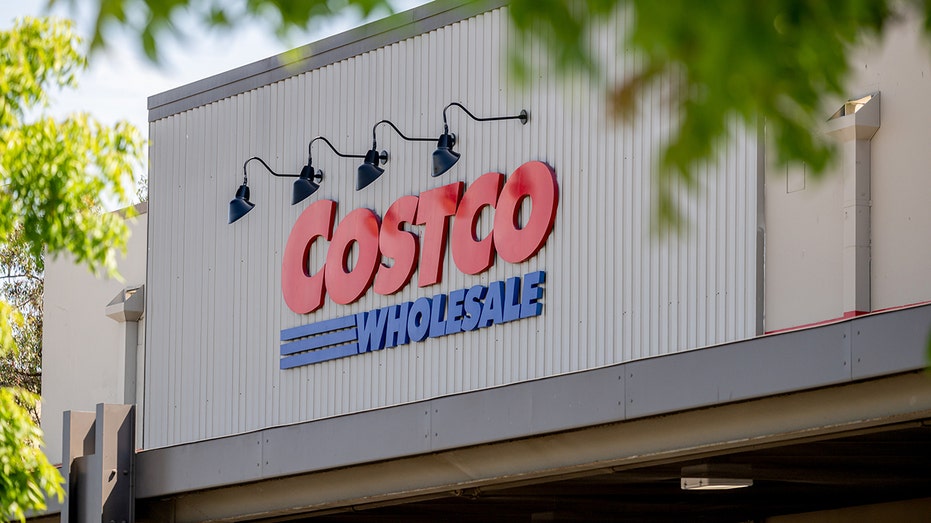
The burritos were sold at Costcos in Illinois, Minnesota and Michigan. (David Paul Morris/Bloomberg / Getty Images)
From the supplier’s perspective, Red’s All Natural, such an incident can have more pronounced effects. For smaller brands that rely on contracts with major retailers like Costco for distribution and market access, a public health alert can strain vital business relationships. Future contract negotiations may become more challenging, and the brand’s reputation within the industry could suffer, potentially impacting its ability to secure new partnerships or expand its market footprint. While the financial details of their supplier agreements are proprietary, the long-term impact on Red’s All Natural’s trajectory could be substantial.
The affected burritos were sold both individually and in 10-packs within a 3 lb, 2 oz. carton. Specific product lots include: L1 SD6170 1503, L1 SD6170 1535, L1 SD6170 1606, L1 SD6170 1639, L1 SD6170 1717, L1 SD6170 1750, L1 SD6170 1831, L1 SD6170 1908, L1 SD6170 1954, L1 SD6170 2031, L1 SD6170 2108, and L1 SD6170 2130, identifiable on the side of the label. Furthermore, they bear “EST. 46069” inside the USDA mark of inspection, a critical detail for tracking and identification.
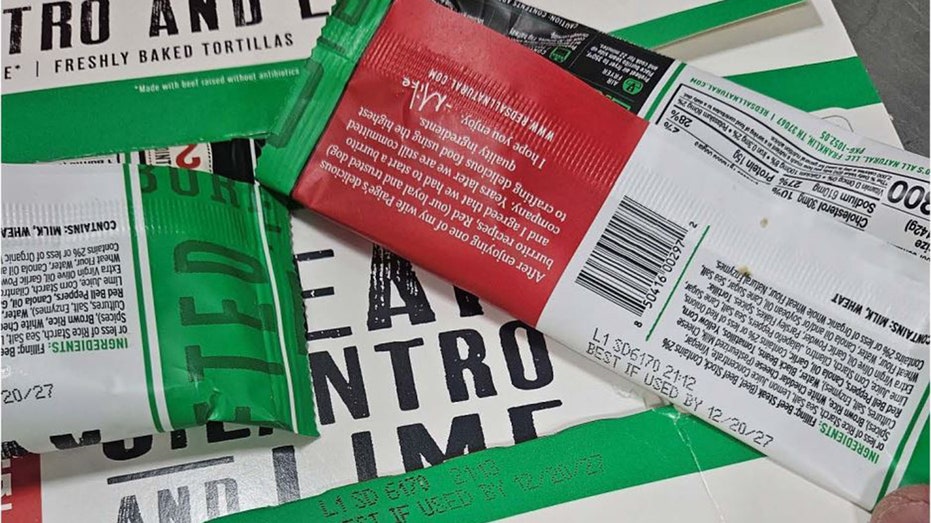
The burritos were both packaged individually and sold 10 in a 3 lb, 2 oz. carton.(USDA / Unknown)
Consumers who find these specific burritos in their freezers are advised to discard them or return them to the point of purchase. This guidance, while standard, underscores the lingering risk and the operational necessity for retailers to manage potential returns and customer inquiries, adding another layer of cost and logistical complexity.
The incident serves as a vivid reminder for corporate boards and risk management teams across the food industry. Investing in robust quality assurance protocols, advanced allergen management systems, and comprehensive supplier audits is not merely a cost of doing business but a critical component of safeguarding shareholder value and maintaining consumer trust in an increasingly transparent and interconnected marketplace. The swift identification and public notification, while necessary for consumer safety, also amplify the pressure on companies to demonstrate impeccable supply chain integrity.
Red’s and Costco did not immediately respond to FOX Business’ requests for comment, a common practice during ongoing investigations, but one that also leaves a temporary void in communication that the market often scrutinizes.
Market Impact:
While the direct financial impact of this specific public health alert on Costco (NASDAQ: COST) is likely to be minimal given the limited scope and the absence of a formal recall, the incident serves as a significant qualitative signal to investors. It underscores the perpetual supply chain risks and the imperative for stringent quality control measures within the food retail sector. Costco’s premium valuation is partly predicated on its brand integrity and customer loyalty, making any perceived compromise in product safety a potential long-term threat to its intangible assets. For food manufacturers and retailers globally, this event reinforces the need for continuous investment in supply chain transparency, robust allergen management, and proactive communication strategies to mitigate reputational damage, avoid regulatory penalties, and ultimately protect shareholder value in a highly competitive and consumer-centric market.