

Key Takeaways:
- **Escalating Regulatory Scrutiny:** Minnesota’s ban on crypto ATMs underscores a growing trend of state-level intervention against digital asset fraud, highlighting the fragmented and reactive nature of cryptocurrency regulation in the U.S.
- **Consumer Protection Deficiencies:** The ban primarily targets scams leveraging the irreversible and untraceable nature of crypto transactions, exposing critical consumer protection gaps within the nascent digital asset ecosystem compared to traditional financial systems.
- **Impact on Digital Asset Infrastructure:** This legislative action, coupled with broader federal scrutiny over state-level financial oversight, signals potential headwinds for companies providing crypto-fiat gateways and could influence the broader adoption curve and trust in digital asset services.
While the video refers to CMS Administrator Dr. Mehmet Oz, federal agencies under the Trump administration did initiate scrutiny. The clip references whistleblowers in Minnesota being ‘ostracized’ and called ‘racist’ for trying to address Medicaid fraud involving Somalis, a separate but related issue of public funds mismanagement.
Minnesota has officially implemented a statewide prohibition on cryptocurrency ATMs, a significant regulatory move effective Saturday, May 4. This decisive action by state officials comes in response to a reported nearly $1 million in financial losses experienced by residents due to scams involving these machines since 2023. The ban, signed into law by Democratic Gov. Tim Walz, mandates the removal of all existing crypto kiosks from the state by December 31, a clear signal of the state’s stringent stance against the financial vulnerabilities associated with these digital asset access points.
The core rationale behind the ban centers on consumer protection, specifically addressing the disproportionate targeting of vulnerable populations, particularly seniors, by criminal enterprises. Scammers frequently employ sophisticated social engineering tactics, impersonating law enforcement or government officials to coerce elderly victims into depositing funds via crypto ATMs. The narrative often involves an urgent need to “bail out” a loved one or resolve an alleged legal issue, leveraging fear and urgency to bypass critical thinking. Paul Haas, an investigator with Minnesota’s Department of Commerce, articulated the profound emotional and financial toll on victims, noting, “When victims call our office after a crypto kiosk scam, you can hear the panic and shame in their voices. By the time victims realize they were deceived, the emotional and financial damage can be devastating.” The insidious nature of these scams is further compounded by the fact that many incidents go unreported, as victims are often too embarrassed to admit they were tricked, obscuring the true scale of the financial crime.
Last year alone, Minnesota recorded 70 reported cases of such fraud, with aggregate losses exceeding $540,000 and an average loss per transaction approaching $6,800. These figures, while substantial, are likely conservative given the underreporting. The primary challenge with crypto ATM transactions, as highlighted by officials in Minnesota and several other states experiencing similar issues, is their inherent irreversibility and the difficulty in tracing funds once they enter a scammer’s digital wallet. This technological characteristic is a double-edged sword: it offers censorship resistance and efficiency for legitimate transactions but provides a near-perfect shield for illicit activities.
Minnesota Gov. Tim Walz prepares to testify during a House Oversight and Government Reform Committee hearing in the U.S. Capitol Building on March 4, 2026, in Washington, D.C. (Anna Moneymaker/Getty Images / Getty Images)
The fundamental distinction lies in the architecture of cryptocurrency transactions versus traditional banking. Crypto transactions, recorded on decentralized blockchains, are immutable and lack a central authority capable of reversing or freezing funds. This contrasts sharply with traditional bank transfers or credit card payments, which operate within centralized financial systems offering robust consumer protections. Banks are legally mandated to investigate unauthorized electronic transfers, and credit card users benefit from chargeback rights. These mechanisms provide critical safety nets that are largely absent in the current cryptocurrency landscape, contributing to the appeal of crypto ATMs for fraudsters seeking to quickly liquidate illicit gains with minimal risk of recovery.
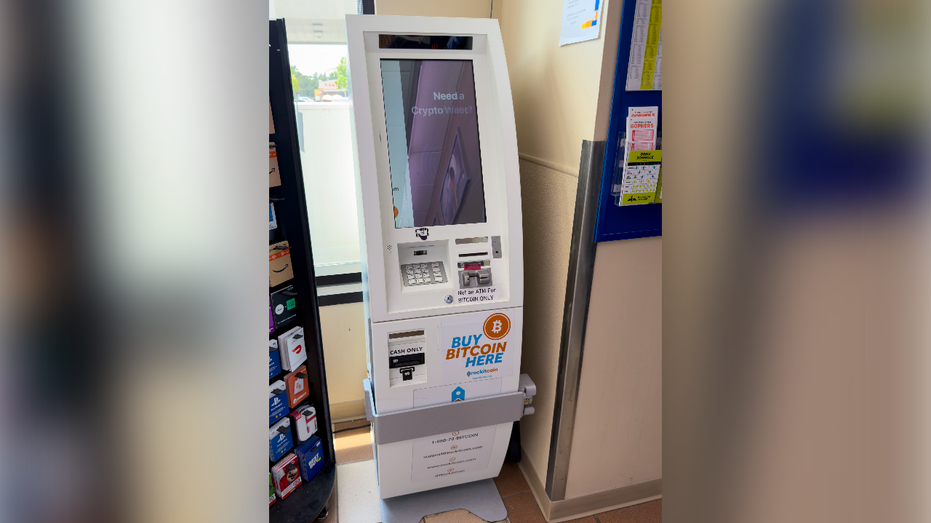
A cryptocurrency ATM in a gas station in White Bear Lake, Minnesota, on May 21, 2026.(Michael Siluk/UCG/Universal Images Group via Getty Images / Getty Images)
This regulatory gap is not lost on federal lawmakers, with ongoing efforts in Congress to bring digital currencies under more stringent federal oversight. The Minnesota ban can be viewed as a microcosm of the broader regulatory challenges facing the digital asset space. While innovation in decentralized finance is often lauded, the lack of consistent and comprehensive consumer protection frameworks creates significant systemic risks, especially for retail investors and less tech-savvy individuals. The fragmented nature of U.S. crypto regulation, with different agencies asserting jurisdiction and states taking independent legislative action, creates a patchwork of rules that can be difficult for legitimate businesses to navigate and easy for bad actors to exploit.
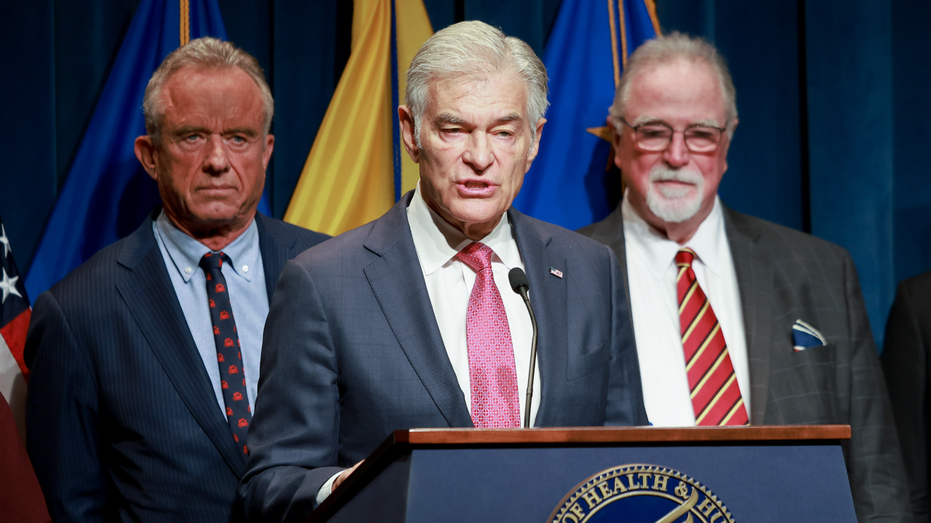
Federal officials announced plans to freeze more than $1 billion in Medicaid funding to California and Minnesota over suspected fraud on July 21, 2026, during the Trump administration.(Tierney L. Cross/Bloomberg via Getty Images / Getty Images)
Beyond the direct implications for cryptocurrency adoption, the ban in Minnesota is part of a larger narrative of increased scrutiny over financial integrity within the state. Minnesota is currently under considerable federal review concerning allegations of widespread fraud within government-funded programs, a situation that has intensified criticism of Gov. Walz’s administration and its oversight capabilities. In a significant development, the Trump administration, through federal agencies like the Centers for Medicare & Medicaid Services (CMS), initiated a freeze on over $1 billion in federal Medicaid funding to California and Minnesota due to suspected fraud. Specifically, more than $200 million was withheld from Minnesota as federal officials reviewed high-risk Medicaid claims and documentation deficiencies. This federal intervention highlights a broader concern about the stewardship of public funds and underscores the interconnectedness of various forms of financial crime and regulatory oversight.
Adding to these concerns, the Department of Justice recently announced that four Minnesota men pleaded guilty to stealing $2.2 million from a state program designed to assist homeless individuals, a program primarily funded through Medicaid. This confluence of events – from crypto ATM scams to large-scale welfare fraud – paints a picture of a state grappling with significant financial integrity challenges, prompting both state-level legislative action and intensified federal scrutiny. For the financial markets, such incidents can erode investor confidence in emerging technologies if not adequately addressed by robust regulatory frameworks. It also puts pressure on the digital asset industry to self-regulate and collaborate with authorities to mitigate risks, lest more states follow Minnesota’s lead.
CLICK HERE TO DOWNLOAD THE FOX NEWS APP
Market Impact:
Minnesota’s aggressive stance against crypto ATMs carries multifaceted implications for the digital asset market and broader financial ecosystem. Firstly, it signals an acceleration of regulatory fragmentation in the U.S., where state-level actions can create ‘regulatory deserts’ or ‘oases’ for crypto businesses, impacting operational scalability for crypto ATM providers and other fiat-on/off-ramp services. Investors may view such bans as a precursor to similar legislation in other states, potentially dampening sentiment towards retail-focused crypto infrastructure. Secondly, the emphasis on consumer protection highlights a persistent weakness in the digital asset space, driving calls for stronger federal oversight and industry-led solutions to enhance security and traceability. Failure to adequately address these concerns could slow mainstream adoption and institutional investment, as the reputational risk associated with fraud remains a significant barrier. Finally, the broader context of federal scrutiny over state financial management in Minnesota underscores how incidents of fraud, regardless of their specific nature, can erode public trust in both governmental oversight and novel financial technologies. This environment puts pressure on the crypto industry to demonstrate robust compliance and risk management, fostering a more secure and trustworthy environment for digital asset transactions to ensure long-term market growth and integration.