
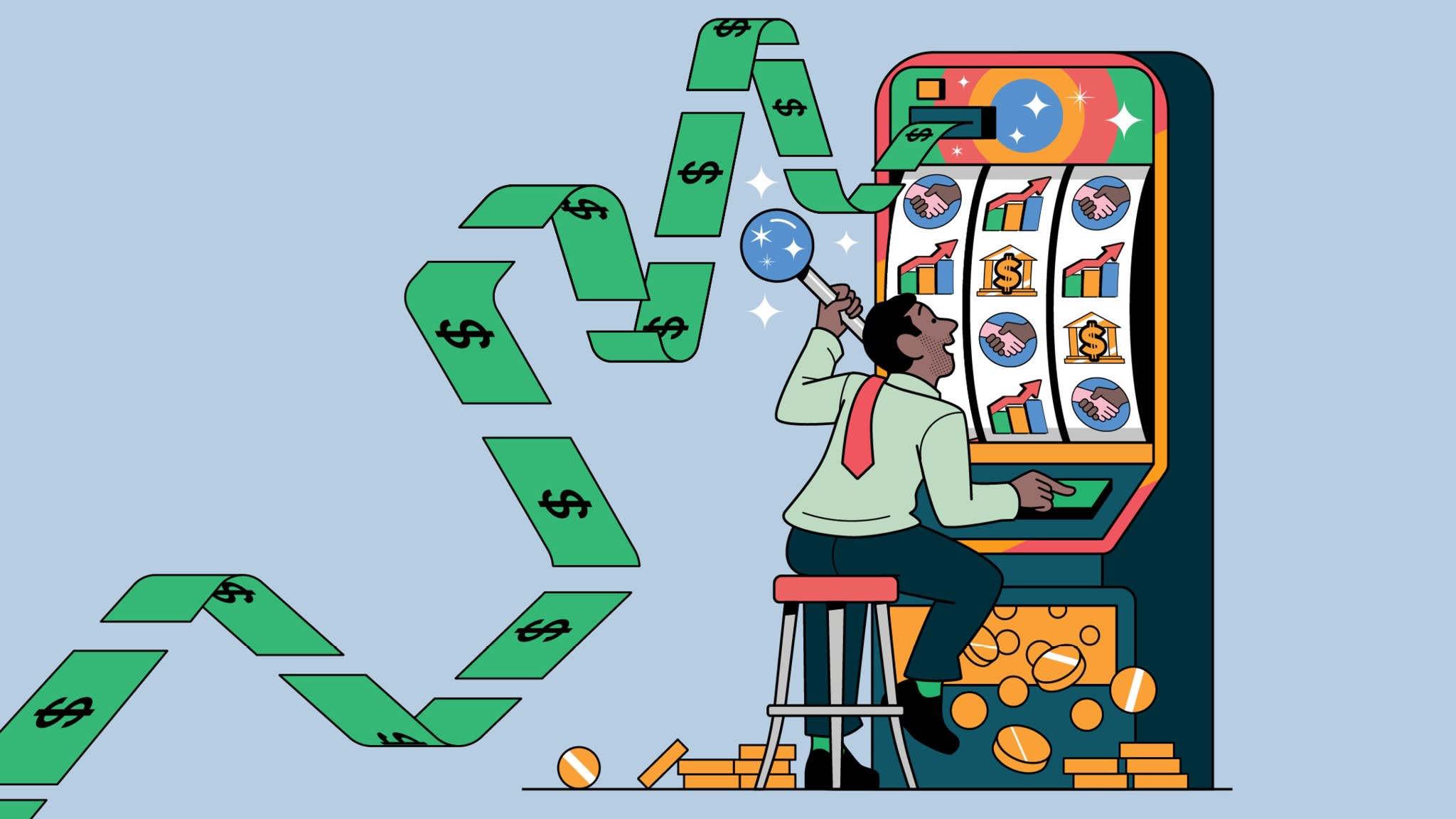
Prediction Markets: A New Frontier for Retail, or a High-Stakes Arena for the Pros?
Key Takeaways:
- Prediction markets like Kalshi and Polymarket are attracting a surge of retail participants drawn by accessible, event-driven trading, mirroring the broader trend of democratized finance.
- The nascent and often unregulated nature of these platforms creates significant information asymmetry, exposing new bettors to sophisticated trading firms wielding superior capital, data, and algorithmic strategies.
- While offering potential as powerful aggregators of crowd intelligence, their current structure necessitates robust regulatory oversight and enhanced financial literacy to protect vulnerable retail participants and ensure market integrity.
The digital age has relentlessly democratized access to financial instruments, from commission-free stock trading to fractional shares. Now, a new frontier is emerging: prediction markets. Platforms such as Kalshi and Polymarket are rapidly gaining traction, drawing in a fresh wave of participants eager to stake capital on everything from political outcomes and economic indicators to technological breakthroughs. What initially appears as an engaging, often gamified way to express an opinion on future events, however, quickly morphs into a high-stakes arena where the unsophisticated retail bettor can become “easy prey” for seasoned trading firms and professional gamblers wielding superior capital, data analytics, and algorithmic strategies. This burgeoning market segment, while still niche, offers a fascinating microcosm of broader financial market dynamics, highlighting the perpetual tension between innovation, accessibility, and investor protection.
The Mechanics of Speculation: What Are Prediction Markets?
At their core, prediction markets operate much like derivatives contracts, where shares trade between $0 and $1. If the underlying event occurs, the share settles at $1; if it doesn’t, it settles at $0. This binary outcome mechanism distinguishes them from traditional sports betting, which often involves complex odds set by bookmakers, focusing instead on specific, verifiable event outcomes. Kalshi, for instance, allows trading on categories ranging from interest rate hikes to hurricane landfalls, effectively turning news events into tradable assets. Polymarket offers a broader array of markets, including political elections, cryptocurrency prices, and even scientific breakthroughs.
Historically rooted in academic research (e.g., the Iowa Electronic Markets) designed to aggregate collective intelligence and forecast future events, these platforms have evolved to become commercial ventures. Their resemblance to futures contracts or options, where value is derived from an underlying event or asset, firmly positions them within the speculative financial ecosystem, rather than mere gambling.
Drivers of Growth: The Retail Allure
The surge in new bettors flocking to these platforms is multi-faceted:
- Accessibility and Gamification:With low entry barriers, intuitive mobile-first interfaces, and features that often gamify the experience, prediction markets are designed for immediate engagement. The thrill of prediction, coupled with social sharing functionalities, fosters a sense of community and competition.
- Desire for Alternative Engagement:For a generation accustomed to direct engagement and seeking alpha outside traditional channels, these platforms offer a novel way to capitalize on real-world events. They provide a direct pathway for users to monetize their opinions on current affairs, politics, or economic trends.
- Event-Driven Trading:The relentless global news cycle provides a constant stream of catalysts for new markets. Whether it’s the outcome of a major election, the release of key economic data, or the launch of a new product, there’s always an event to trade on, catering to a continuous appetite for action.
- FOMO (Fear Of Missing Out):Success stories, often amplified through social media and online forums, create a powerful draw, convincing newcomers that quick returns are easily achievable.
The Imbalance: Why New Bettors Become “Easy Prey”
Beneath the veneer of accessibility lies a complex and often perilous landscape for the uninitiated:
- Information Asymmetry:Professional trading firms operating in these markets deploy significant resources. They employ dedicated researchers, data scientists, and quantitative analysts to build sophisticated predictive models, leveraging advanced tools for sentiment analysis, real-time news feeds, and social media scraping. Retail users, by contrast, often rely on gut feelings, headlines, or anecdotal evidence, creating a stark disadvantage.
- Behavioral Biases:New bettors are particularly susceptible to common cognitive errors.Confirmation biasleads them to seek out information that confirms their existing beliefs, whileoverconfidencemakes them believe their predictions are superior.Herd mentalitycan drive irrational exuberance or panic, andanchoringto initial prices can blind them to evolving market dynamics. Professional firms, understanding crowd psychology, can exploit these biases.
- Regulatory Ambiguity and Gaps:This is perhaps the most critical challenge. While Kalshi is regulated by the CFTC as a designated contract market, many other platforms, including Polymarket, have faced ongoing regulatory scrutiny or operate in a legal grey area. The absence of robust investor protections, transparent dispute resolution mechanisms, and stringent oversight (comparable to traditional financial markets) leaves retail participants vulnerable to potential fraud, market manipulation, and insider trading. The fundamental debate over whether these are “gambling” or “investing” products remains central to their regulatory classification.
- Capital and Market Manipulation:With substantial capital, professional firms can take larger positions, influencing prices and potentially pushing illiquid markets in their favor. This “whale” activity can trigger panic or FOMO among retail users, who lack the capital to counteract such moves or the sophistication to identify them.
- Lack of Risk Management:Unlike seasoned traders, new bettors rarely employ fundamental risk management strategies such as stop-losses, proper position sizing, or portfolio diversification. They often bet significant portions of their capital on single, highly volatile events, leading to rapid capital depletion driven by emotion rather than rational analysis.
Broader Market Implications and the Future Landscape
The rise of prediction markets echoes historical periods in traditional finance. Their “wild west” feel is reminiscent of early derivatives markets, which were rife with speculation before robust regulation was established. There are also parallels to the options market, where retail traders often face an uphill battle against sophisticated market makers, or even the penny stock frenzies of the dot-com bubble. This highlights a recurring theme: new, accessible financial instruments often attract unsophisticated money first, creating fertile ground for more experienced players.
Despite the current risks, prediction markets hold significant long-term potential. If regulated appropriately, they *could* evolve into legitimate tools for hedging against specific event risks (e.g., a business hedging against a policy change) or for aggregating valuable real-time economic and political sentiment. Academics continue to explore their potential as powerful forecasting mechanisms. However, institutional interest largely remains on the sidelines due to regulatory uncertainty, liquidity concerns, and reputational risks. As regulation matures and liquidity deepens, some institutions might eventually engage, but with a heavy emphasis on compliance and sophisticated risk management.
Market Impact:
The rise of prediction markets, while currently a niche segment, carries significant implications for the broader financial ecosystem. They represent a continued blurring of lines between gambling, entertainment, and legitimate financial speculation, pushing regulatory boundaries and challenging established frameworks for investor protection. Their growth underscores a persistent retail appetite for accessible, event-driven trading, which, if unchecked, risks exacerbating wealth transfer from unsophisticated participants to highly capitalized firms. As these platforms mature, their impact will likely manifest in increased pressure for coherent regulatory frameworks that balance innovation with consumer safety, influencing how future “alternative” investment vehicles are classified and policed. Furthermore, the data generated by these markets could, over time, become a novel source of real-time sentiment and forecasting, potentially offering new dimensions for macroeconomic analysis and risk assessment, provided their integrity can be reliably maintained and their biases understood.