

**Key Takeaways:**
* **Significant Financial and Reputational Hit:** The recall of nearly 12 million Rohto eye drop bottles represents a substantial financial burden for Rohto-Mentholatum and The Mentholatum Company, encompassing retrieval, refund, and disposal costs, alongside severe damage to brand equity and consumer trust.
* **Escalating Regulatory Scrutiny:** This incident, alongside other recent pharmaceutical and OTC recalls, underscores a tightening regulatory environment by the FDA, increasing the compliance burden and risk for manufacturers across the consumer health sector.
* **Supply Chain Vulnerability Exposed:** The recall highlights the critical importance of robust quality control and sterile manufacturing processes, particularly within complex global supply chains, and reinforces the need for rigorous due diligence for all participants in the pharmaceutical value chain.
In a development sending ripples through the consumer health sector, nearly 12 million bottles of Rohto eye drops have been voluntarily recalled over critical concerns regarding sterility. This extensive Class II recall, initiated by Vietnam-based Rohto-Mentholatum and distributed by The Mentholatum Company in the U.S., casts a harsh spotlight on manufacturing quality control, supply chain integrity, and the enduring challenge of maintaining consumer trust in the competitive over-the-counter (OTC) pharmaceutical market.
The recall encompasses a staggering 11,960,623 cartons of Rohto Cooling Eye Drops, distributed nationwide and marketed for common ailments like redness, dryness, and eye strain. The core issue, as cited by the Food and Drug Administration (FDA), is a “lack of assurance of sterility,” meaning the products cannot be guaranteed free from potentially harmful microorganisms. While a Class II recall suggests temporary or medically reversible health effects are possible and serious adverse consequences are unlikely, the sheer volume and the nature of the product – directly applied to a sensitive organ like the eye – amplify the potential for consumer apprehension and significant brand damage.
From a financial journalist’s perspective, the immediate costs for Rohto-Mentholatum are considerable. This includes the logistical nightmare and expense of retrieving millions of units from retail shelves and consumer homes, processing returns, issuing refunds, and responsibly disposing of the affected products. Beyond these direct outlays, the recall poses a substantial threat to the company’s brand equity. Rohto has cultivated a significant presence in the eye care segment, and an incident of this magnitude can lead to a sustained erosion of consumer confidence, potentially impacting future sales, market share, and long-term profitability.
Rohto Cooling Eye Drops are being recalled nationwide after the FDA cited concerns about the products’ sterility.(Getty Images / Getty Images)
The recall spans a wide array of Rohto Cooling Eye Drops products, including ALL-IN-ONE, Max Strength, Optic Glow, Digi Eye, Dry Aid, and Cool Relief, across various packaging configurations. Affected products carry expiration dates ranging from July 2025 through February 2029, indicating that the potential sterility issues could stem from a systemic manufacturing flaw rather than an isolated batch problem. This broader scope suggests that the root cause investigation will be complex and could necessitate substantial investments in manufacturing upgrades, quality assurance personnel, and enhanced compliance protocols.
The global nature of the supply chain adds another layer of complexity. Manufactured by Rohto-Mentholatum in Vietnam and distributed by The Mentholatum Company in New York, this incident underscores the inherent risks in international pharmaceutical production. Companies relying on overseas manufacturing must maintain exceptionally stringent oversight of their partners’ quality control systems to mitigate risks that can quickly escalate into global health and financial crises. The cost of failing to ensure sterility at the point of manufacture can far outweigh any initial cost savings gained from offshore production.
This recall is not an isolated event but rather signals a concerning trend within the broader pharmaceutical and OTC drug landscape. Federal regulators have recently classified other significant recalls, reinforcing the heightened scrutiny on product safety. For instance, the recall of over 2.5 million bottles of Lupin Pharmaceuticals Inc.’s prednisolone acetate ophthalmic suspension due to foreign material contamination, and the recall of generic cetirizine hydrochloride tablets over cross-contamination concerns, paint a picture of an industry grappling with persistent quality control challenges. These incidents collectively place increased pressure on all manufacturers to review and fortify their Good Manufacturing Practices (GMPs).
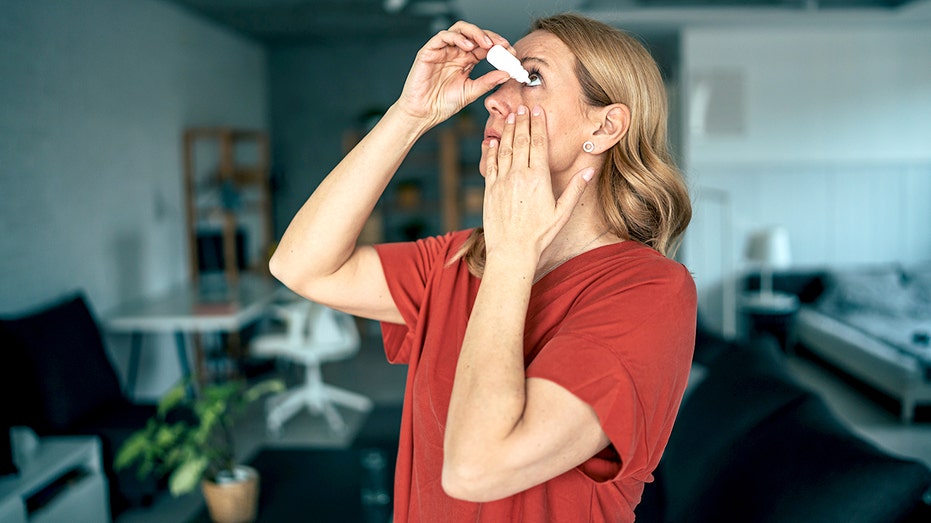
The FDA said millions of bottles of Rohto eye drops are included in a nationwide recall over sterility concerns.(Getty Images / Getty Images)
For investors and stakeholders in the consumer health sector, these repeated recalls serve as a stark reminder of regulatory risk. Companies with robust compliance frameworks, transparent quality control processes, and resilient supply chains are increasingly viewed as more attractive investments. Conversely, those with a history of quality lapses or an inability to swiftly address manufacturing deficiencies face increased pressure, potential legal liabilities, and a higher cost of capital.
The long-term implications for The Mentholatum Company and its parent, Rohto-Mentholatum, will depend heavily on their response. A swift, transparent, and comprehensive action plan to identify the root cause, implement corrective measures, and communicate effectively with consumers and regulators will be crucial to rebuilding trust. Failure to do so could lead to lasting damage to their market position and potentially invite further regulatory action or litigation.
Consumers whose products are included in the recall have been advised to cease use immediately and seek refunds. This process, while necessary for public safety, further adds to the operational burden and financial outflow for the company.
Rohto eye drops sold in the United States are being recalled after the FDA reported a lack of assurance of sterility.(Getty Images / Getty Images)
The collective weight of these recent recalls suggests that the FDA is taking a more assertive stance on product quality and safety, particularly for products that pose direct risks to health. This trend is likely to result in more stringent inspections, increased penalties for non-compliance, and potentially a re-evaluation of current manufacturing standards across the entire pharmaceutical and OTC industry. Companies that proactively invest in state-of-the-art quality control systems and foster a culture of uncompromising safety will be best positioned to navigate this evolving regulatory landscape.
FOX Business’ Brittany Miller and Bonny Chu contributed to this report.
Market Impact:
The Rohto eye drop recall, following a series of other significant pharmaceutical and OTC product withdrawals, is expected to catalyze a broader re-evaluation of quality assurance and supply chain resilience across the consumer health market. Investors are likely to increasingly favor companies demonstrating superior governance, robust regulatory compliance, and transparent manufacturing processes, potentially leading to a widening valuation gap between industry leaders and laggards. This heightened scrutiny could also spur increased M&A activity, as larger, more compliant players look to acquire smaller firms struggling with quality control, or conversely, drive private equity investment into companies that offer innovative solutions for supply chain visibility and sterile manufacturing. Furthermore, the incident will likely prompt a surge in demand for product liability insurance and risk management consulting within the pharmaceutical sector, as companies seek to mitigate the financial and reputational fallout from future recall events. The cumulative effect is a market shift towards prioritizing stringent quality control as a core competitive advantage and a critical component of shareholder value.