

Fox News correspondent Madison Scarpino reports on Spirit Airlines shutting down, canceling all flights, causing travelers to rebook with other airlines, on ‘Fox Report.’
**Key Takeaways:**
* **ULCC Model Under Strain:** Spirit Airlines’ collapse underscores the volatile economics of the ultra-low-cost carrier (ULCC) model, demonstrating its acute vulnerability to rising operational costs and intense market competition.
* **Liquidity & Market Confidence:** The inability to secure additional funding highlights broader challenges in the highly capital-intensive aviation sector, particularly for highly leveraged players facing tightening credit markets and investor skepticism.
* **Industry Consolidation & Pricing Shifts:** Competitors stand to gain market share and potentially absorb Spirit’s assets, likely leading to a recalibration of pricing strategies on key routes and potentially dampening consumer confidence in the long-term viability of budget travel options.
Beyond the immediate chaos for stranded travelers, Spirit Airlines’ abrupt shutdown sends a seismic shockwave through the aviation industry, underscoring the precarious financial tightrope walked by ultra-low-cost carriers (ULCCs) in a challenging economic landscape. The budget carrier, known for its no-frills approach and aggressive pricing, announced Saturday that it was canceling all flights and winding down operations “effective immediately,” an insolvency event that has profound implications for market dynamics, investor sentiment, and the future of affordable air travel.
The immediate fallout for consumers centers on refunds. Customers who booked directly with Spirit using a credit or debit card are reportedly being automatically refunded to their original form of payment. “All flights booked with credit and debit cards are in the process of being automatically refunded,” a Spirit spokesperson told FOX Business. “The majority of guests who booked travel on a credit or debit card were refunded as of Saturday evening, with a small percentage continuing to process. Refunds may take time to appear in a guest’s account.” This standard procedure offers some relief, though the timing of funds appearing in accounts can still be a point of friction.
However, the situation becomes significantly more complex for those who purchased tickets through third-party vendors—including online travel agencies (OTAs) and traditional travel agencies. These customers will need to navigate the refund process through those providers, adding an additional layer of administrative burden and uncertainty. This distinction highlights the fragmented nature of travel distribution and the varying levels of consumer protection depending on the booking channel, a critical factor for financial journalists monitoring the industry’s risk profile.
Spirit Airlines announced Saturday that it was canceling all flights.(Mike Blake/Reuters / Reuters)
The most vulnerable cohort comprises passengers who utilized vouchers, travel credits, or loyalty points. Their claims are now relegated to Spirit’s bankruptcy process, an often lengthy and complex legal proceeding where creditors are prioritized. The Department of Transportation (DOT) has warned that such refunds could become highly complicated, advising travelers to explore options like requesting a “chargeback” from their credit card company, reviewing travel insurance coverage, or submitting a formal claim in bankruptcy court. This process typically sees unsecured creditors, including individual customers with non-cash claims, at the lower end of the recovery hierarchy, underscoring the financial risks associated with holding non-cash value with financially distressed entities.
Transportation Secretary Sean Duffy, in a Saturday press conference, echoed these advisories while also highlighting the coordinated efforts by major U.S. airlines to mitigate the immediate travel disruption. United, Delta, JetBlue, and Southwest are reportedly capping rebooking fares for affected Spirit customers at around $200 for one-way tickets, provided they can verify their original booking. “I would recommend that if you have a ticket with Spirit that you actually try to book with these airlines as soon as possible,” Duffy said, emphasizing the temporary nature of these offers. This strategic move by competing carriers is not purely altruistic; it’s an opportunity to capture market share, potentially convert new customers, and demonstrate industry stability in the wake of a competitor’s failure, all while averting public and regulatory criticism over price gouging.
Further illustrating this competitive response, American and Delta are offering reduced fares on high-traffic Spirit routes, Allegiant has frozen prices on overlapping routes, and Frontier is offering up to 50% off base fares through May 10, as detailed by Duffy on social media. These actions speak volumes about the intense competition in the domestic aviation market and the strategic maneuvering to absorb Spirit’s passenger base and vacated routes.
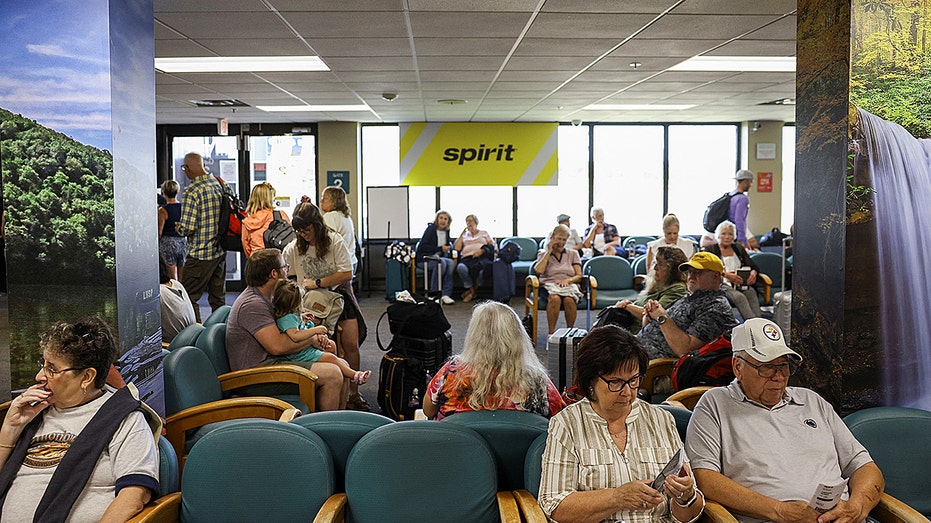
Passengers who used vouchers, travel credits or loyalty points to book their flights face more uncertainty. (Quinn Glabicki/Reuters / Reuters Photos)
Spirit’s own statement confirmed that the shutdown followed failed restructuring efforts, citing “rising fuel costs and an inability to secure funding” as primary drivers. Spirit’s President and CEO Dave Davis stated, “For more than 30 years, Spirit Airlines has played a pioneering role in making travel more accessible and bringing people together while driving affordability across the industry… Sustaining the business required hundreds of millions of additional dollars of liquidity that Spirit simply does not have and could not procure. This is tremendously disappointing and not the outcome any of us wanted.”
This admission directly addresses the core financial vulnerabilities of the ULCC model. In an environment marked by elevated jet fuel prices—a significant operational cost that has remained stubbornly high due to global energy market dynamics and supply chain pressures—and tightening credit markets influenced by rising interest rates, Spirit’s struggle to secure “hundreds of millions of additional dollars of liquidity” became an insurmountable hurdle. The failure to materialize a federal government bailout, as suggested in earlier reports, underscores a shift from pandemic-era industry support, forcing airlines to navigate a more stringent capital environment.
The ULCC model inherently operates on razor-thin margins, relying heavily on high load factors, rapid aircraft turnarounds, and robust ancillary revenue generation. While successful for decades in driving affordability, this model is acutely susceptible to macroeconomic shocks, particularly swings in fuel prices and any downturns in discretionary consumer spending. Spirit’s demise serves as a stark reminder that even a perceived market leader in a niche segment can succumb to sustained financial pressures when external economic factors and internal operational challenges align negatively.
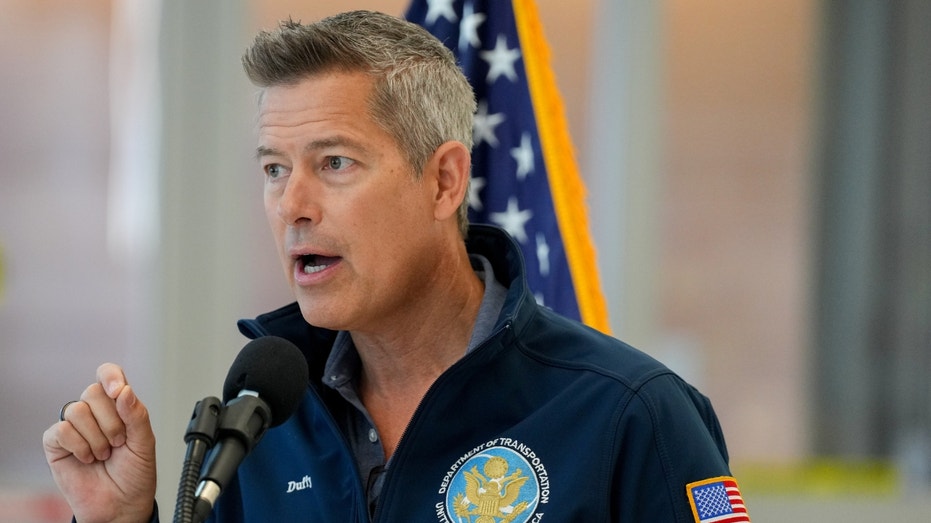
“I would recommend that if you have a ticket with Spirit that you actually try to book with these airlines as soon as possible,” Transportation Secretary Sean Duffy said.(Adam Gray/Bloomberg via Getty Images / Getty Images)
The Department of Transportation did not immediately respond to FOX Business’ request for comment, indicating ongoing internal assessments of the broader market implications and consumer protection measures.
GET FOX BUSINESS ON THE GO BY CLICKING HERE
FOX Business’ Robert McGreevy contributed to this report.
Market Impact:
Spirit Airlines’ sudden cessation of operations reverberates across the financial markets, sending a clear signal about the fragility within certain segments of the aviation industry. For investors, this event likely reinforces caution around highly leveraged or niche-focused carriers, potentially leading to a re-evaluation of valuation multiples for other ULCCs. Conversely, legacy carriers and other budget airlines that have demonstrated stronger balance sheets and diversified revenue streams may see a short-term boost in their stock prices as they are poised to absorb Spirit’s market share, particularly on high-volume leisure routes. This could also accelerate industry consolidation, with remaining players potentially acquiring Spirit’s valuable gates, landing slots, or aircraft at distressed prices. Furthermore, the absence of a significant low-cost competitor on specific routes could lead to upward pressure on average airfares in the medium term, impacting consumer discretionary spending metrics and broader inflation indicators. The episode also highlights the critical importance of a robust capital structure and access to liquidity for surviving in a volatile global economy, serving as a cautionary tale for investors in capital-intensive sectors.