
Oil Prices Rise Amid U.S. Announcement on Strait of Hormuz Navigation; Geopolitical Tensions Persist
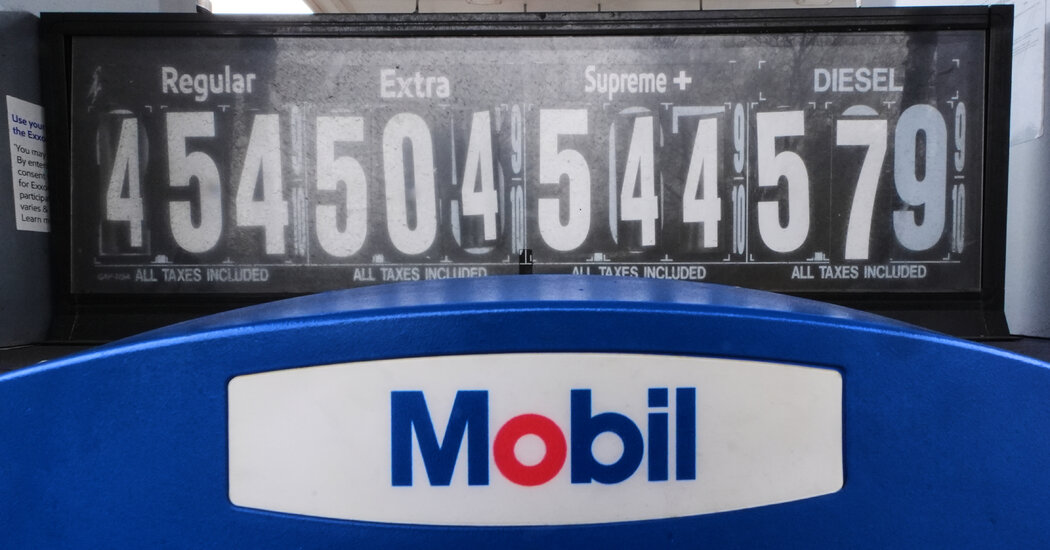
Global oil prices experienced an uptick on Monday, while markets across Asia generally trended higher, as investors assessed recent statements from U.S. President Donald Trump regarding navigation in the Strait of Hormuz. President Trump announced that the United States would initiate efforts to assist non-conflict-related vessels through the critical waterway, a move aimed at enhancing maritime security amidst heightened regional tensions.
In a social media post on Monday morning, President Trump stated that the United States would deploy its “best efforts” to facilitate the safe passage of ships not involved in the ongoing regional conflict, effective immediately. The President’s announcement, however, offered limited specific details regarding the operational execution of this initiative. Subsequently, the U.S. Central Command provided some clarification, indicating that the American role would primarily involve coordinating safe traffic among vessels navigating the congested waters, rather than direct escort or intervention in all cases. This coordination effort is intended to mitigate risks to commercial shipping in a strait that has seen multiple incidents and heightened military posturing in recent months.
The response from global markets was immediate, reflecting both cautious optimism and underlying concerns about geopolitical stability. Oil benchmarks, including Brent crude and West Texas Intermediate, saw prices rise. This movement is often interpreted as a premium reflecting perceived risks to supply or, conversely, a reaction to the U.S. commitment to safeguarding transit, which could also be seen as a heightened state of alert. Meanwhile, stock markets across Asia, from Tokyo to Shanghai, largely recorded gains. Analysts suggested that while the promise of U.S. intervention could be viewed as a stabilizing factor for shipping, preventing disruptions that could harm global trade, it also underscored the precarious nature of the region’s security environment. The ambiguity surrounding the specific nature of the U.S. involvement left some investors weighing the potential for escalation against the benefits of improved navigation.
President Trump’s announcement on the Strait of Hormuz came just two days after he had publicly acknowledged reviewing a peace proposal submitted by Iran. In a statement on Saturday, Mr. Trump expressed skepticism regarding the acceptability of the Iranian overture, suggesting deep-seated disagreements persist between Washington and Tehran. This juxtaposed messaging — an offer to facilitate safe passage in a contested waterway while simultaneously dismissing a peace initiative — highlights the complex and often contradictory dynamics of U.S.-Iran relations. The ongoing standoff, exacerbated by U.S. sanctions on Iran’s oil exports and various regional proxy conflicts, continues to be a significant source of international concern, directly impacting global energy markets and maritime security.
The Strait of Hormuz, a narrow choke point between the Persian Gulf and the Gulf of Oman, is globally recognized as one of the most strategically important waterways. Approximately one-fifth of the world’s total petroleum consumption, and a substantial portion of its liquefied natural gas, passes through this strait daily. Its strategic importance has made it a focal point of regional and international tensions, particularly involving Iran, which borders the strait to the north. In the preceding months, the region has witnessed a series of provocative incidents, including alleged attacks on oil tankers in the Gulf of Oman, drone shoot-downs, and seizures of commercial vessels by Iranian forces. These events have prompted increased military deployments by the United States and its allies, aimed at deterring further aggression and ensuring freedom of navigation. Iran, for its part, views the increased U.S. military presence as a destabilizing factor and has repeatedly warned against violations of its territorial waters. The international community remains highly sensitive to any developments in the strait, as disruptions could lead to significant global economic repercussions.
While specific international reactions to President Trump’s latest statement were not immediately detailed, the implications of heightened U.S. involvement are wide-ranging. Allies in the region, such as Saudi Arabia and the United Arab Emirates, are likely to welcome measures that bolster maritime security, given their reliance on the strait for oil exports. However, the exact nature of the “best efforts” and the potential for miscalculation or unintended confrontation remain subjects of scrutiny for international observers. The move could also test the limits of international maritime law and freedom of navigation principles, particularly if it involves interactions with Iranian naval forces. Shipping companies and insurance providers will be closely monitoring the situation, as enhanced security, or the perception of it, could influence operational costs and trade routes.
Why This Matters
- Global Energy Security:The Strait of Hormuz is the world’s most critical oil transit chokepoint. Any disruption or even the perception of risk in this waterway can significantly impact global oil prices and supply chains, directly affecting economies worldwide and the cost of energy for consumers and industries.
- Geopolitical Stability:The region remains a flashpoint in U.S.-Iran relations, with ongoing tensions having broader implications for Middle Eastern stability. President Trump’s statements, whether regarding navigation assistance or peace proposals, directly influence the diplomatic and military landscape, potentially leading to de-escalation or further confrontation.
- International Shipping and Trade:Freedom of navigation through international waters is a cornerstone of global trade. Measures to secure transit routes in the Strait of Hormuz affect thousands of commercial vessels annually, influencing shipping costs, insurance premiums, and the reliability of supply chains for a vast array of goods beyond just energy.
- U.S. Foreign Policy and Regional Role:The United States’ commitment to safeguarding navigation in the strait underscores its enduring military and strategic presence in the Middle East. This involvement reflects broader U.S. foreign policy objectives related to allies’ security, counter-terrorism, and maintaining global trade routes, though it also carries risks of entanglement in regional conflicts.
- Economic Impact:Fluctuations in oil prices, driven by geopolitical events in the Strait of Hormuz, have direct economic consequences. Higher oil prices can contribute to inflation, increase operating costs for businesses, and reduce consumer spending power, potentially slowing global economic growth. Conversely, perceived stabilization could alleviate such pressures.