

Key Takeaways
- Skepticism on Treasury Buybacks:The U.S. Treasury’s expanded $6 billion buyback of long-dated debt, intended to boost market liquidity, was met with skepticism by bond markets, leading to a paradoxical rise in yields as investors deemed the amount insufficient against a backdrop of escalating national debt and projected deficits.
- Structural Debt Concerns Intensify:The market’s reaction underscores a growing concern about the U.S.’s structural debt crisis. Experts argue that the sheer scale of the national debt and ongoing fiscal deficits dwarf current buyback efforts, signaling fundamental supply-demand imbalances that are difficult to mitigate without drastic fiscal policy changes.
- Growth vs. Fiscal Discipline:While fostering a high-growth environment, particularly through investments in artificial intelligence, is seen as the most viable (albeit challenging) path to managing the debt, many believe it cannot fully resolve the crisis without concomitant political will to curb government spending.
In a move designed to enhance market liquidity and efficiency, the U.S. Treasury Department announced on Wednesday its intention to purchase up to $6 billion in longer-dated U.S. debt this week. This operation, focusing on 10-year notes and 20-year bonds maturing between February 2037 and August 2046, marks an increase from typical buyback operations, following Treasury Secretary Scott Bessent’s earlier announcement to raise the regular buyback amount from $2 billion to at least $4 billion until early November.
The Bureau of the Fiscal Service detailed that the buybacks are scheduled for Thursday afternoon, from 1:40 p.m. to 2 p.m. ET. Treasury framed this expanded initiative in its August announcement as a means to “provide greater liquidity support in longer-dated nominal sectors where there is consistent strong sponsorship from market participants, as evidenced by the significant volume of high-quality offers Treasury routinely receives in longer-dated buyback operations.” In essence, the Treasury aims to smooth out the functioning of a crucial segment of the bond market, ensuring easier trading and potentially reducing volatility for long-term investors.
However, the market’s immediate reaction was notably counter-intuitive. Following the announcement, yields on both the 10-year note and 20-year bond rose significantly. The 10-year yield climbed above 4.85% during Wednesday’s trading session, reaching its highest level since 2023, while the 20-year bond yield also surpassed 5.3%. This paradoxical upward movement in yields, despite a supply reduction, signals a deeper market skepticism about the efficacy of such limited interventions against a backdrop of pervasive fiscal challenges and persistent inflationary pressures.
Indeed, Treasury yields have been on an elevated trajectory in recent years, primarily driven by stubborn inflation that has proven more resilient than initially anticipated. This inflationary environment, exacerbated by global energy shocks and broader geopolitical tensions impacting supply chains, has compelled the Federal Reserve to implement a series of aggressive interest rate hikes. Higher benchmark rates, in turn, filter through the entire yield curve, pushing up the cost of borrowing for the U.S. government.
Treasury Secretary Scott Bessent announced the larger buybacks last month.(Krisanne Johnson/Bloomberg via Getty Images)
Matt Cole, CEO of Strive Asset Management, articulated this market skepticism in an interview with FOX Business, suggesting that the “market’s calling a bluff because these [buybacks] are very small sizes.” Cole’s assessment highlights a critical disconnect: while the Treasury’s actions address specific liquidity concerns, they appear insignificant when weighed against the colossal scale of U.S. national debt, which recently surpassed the $40 trillion milestone. Annual deficits are projected to continue rising above $2 trillion, necessitating ongoing, massive debt issuance to finance government operations and maturing obligations.
“There’s so much debt out there, and there’s so much need over the next couple of years to issue more debt out there, that the market is just saying this is not enough,” Cole explained. “I think that’s the signal, and ultimately it’s not going to be fixed if he raises it from $6 billion to $12 billion.” This perspective underscores a fundamental supply-demand imbalance in the U.S. bond market. Investors, faced with a relentless stream of new government debt and persistent inflation risks, demand higher compensation (yields) to hold these longer-duration securities. A $6 billion buyback, while helpful for niche liquidity, does little to alter this overarching narrative.
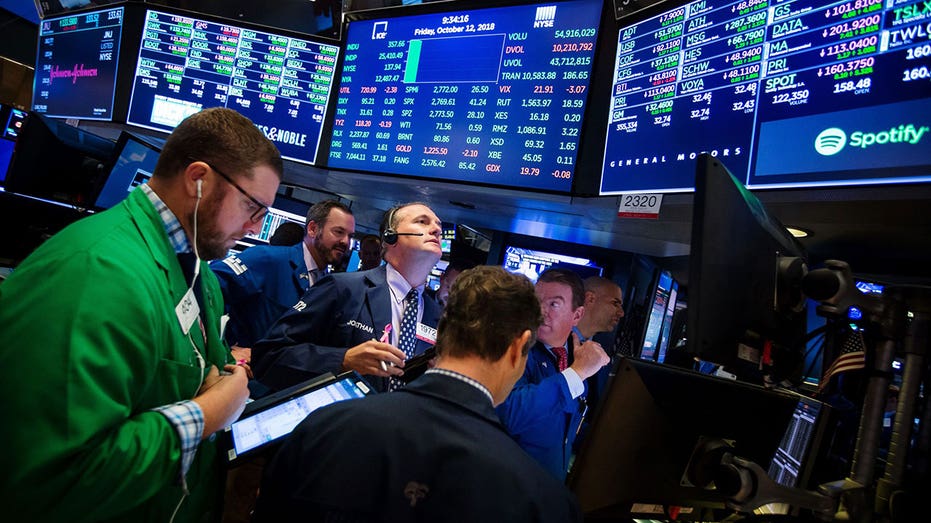
The Treasury announced a $6 billion buyback of long-dated Treasurys this week.(Michael Nagle/Bloomberg via Getty Images)
Cole further noted that this challenge isn’t unique to the U.S., with many developed countries grappling with similar debt burdens. Adding another layer of complexity, corporate debt issuance is also surging, particularly to finance the burgeoning artificial intelligence (AI) buildout. These corporate bonds offer yields that compete directly with those offered by Treasury and foreign governments, intensifying the demand for capital and putting further upward pressure on rates across the board. This “crowding out” effect can divert capital from government bonds, necessitating higher yields for the Treasury to attract investors.
Treasury Secretary Bessent, however, presented a more sanguine view in recent remarks, noting that if markets were genuinely concerned about U.S. bonds and default risks, investors would likely be flocking to perceived safe havens like German or Japanese bonds. He pointed out that the U.S. bond market has, in fact, outperformed these alternatives, suggesting continued investor confidence in U.S. creditworthiness despite the fiscal headwinds. This view hinges on the relative strength and depth of the U.S. capital markets, and the dollar’s status as the world’s primary reserve currency.

Federal Reserve policymakers will weigh interest rate hikes at their meeting next week.(David Paul Morris/Bloomberg via Getty Images)
While acknowledging the capabilities of current economic policymakers, Cole emphasized that the core issue is not a failure of leadership but rather a “structural debt crisis playing out.” He advocated for fostering a high-growth environment as the most pragmatic approach, stating, “I know Bessent talks about trying to grow his way out of it. I don’t think you actually can grow your way out of it. But I do think it’s the best thing to be trying to do, and at worst, you at least help the U.S. not slow down too much during… an industrial revolution in this AI data center buildup.”
This perspective underscores the strategic importance of the AI sector as a potential engine for economic expansion. A robust AI industry, driving innovation, productivity gains, and new job creation, could theoretically generate the tax revenues needed to service the burgeoning debt. However, the sheer capital investment required for this “industrial revolution” further exacerbates the competition for funds. “Of all the impossible options, that’s the best to try,” Cole added, expressing deep skepticism about the political feasibility of significant spending cuts. “I just think that there’s not a path to be successful here outside of stopping spending, and I just don’t think we will do that.”
The interplay between fiscal policy (Treasury’s debt management), monetary policy (the Federal Reserve’s interest rate decisions), and economic growth drivers like AI, creates a complex and challenging landscape for investors and policymakers alike. The market’s candid reaction to the Treasury’s buyback serves as a potent reminder that while liquidity operations are important, they cannot fundamentally alter the trajectory of a fiscal situation without corresponding structural reforms.
Market Impact
The immediate market impact of the Treasury’s buyback announcement and the subsequent rise in long-term yields is multifaceted. For the **bond market**, continued upward pressure on yields, particularly at the long end, signifies increased borrowing costs for the U.S. government, potentially exacerbating future deficits. This trend could also lead to a steeper yield curve, reflecting heightened inflation expectations or a demand for greater compensation for duration risk. Investors in fixed income will face continued volatility, with bond prices inversely affected by rising yields. For the **equity market**, higher long-term yields typically translate to higher discount rates for future corporate earnings, potentially dampening valuations, especially for growth-oriented companies reliant on future cash flows and access to cheaper capital. Sectors heavily reliant on borrowing, like real estate and utilities, may also face headwinds. However, the narrative around AI investment could provide a counter-narrative, with specific tech sectors continuing to attract capital despite rising rates. In the broader **economic outlook**, persistently high interest rates could slow down economic activity, potentially “crowding out” private investment as government borrowing demands a larger share of available capital. This could temper growth prospects, even as policymakers aim to stimulate innovation. Finally, for the **U.S. Dollar**, higher yields can initially make dollar-denominated assets more attractive, leading to periods of strength. However, if the underlying fiscal concerns intensify and are perceived as unaddressed, long-term confidence in the dollar could erode, introducing currency volatility.