
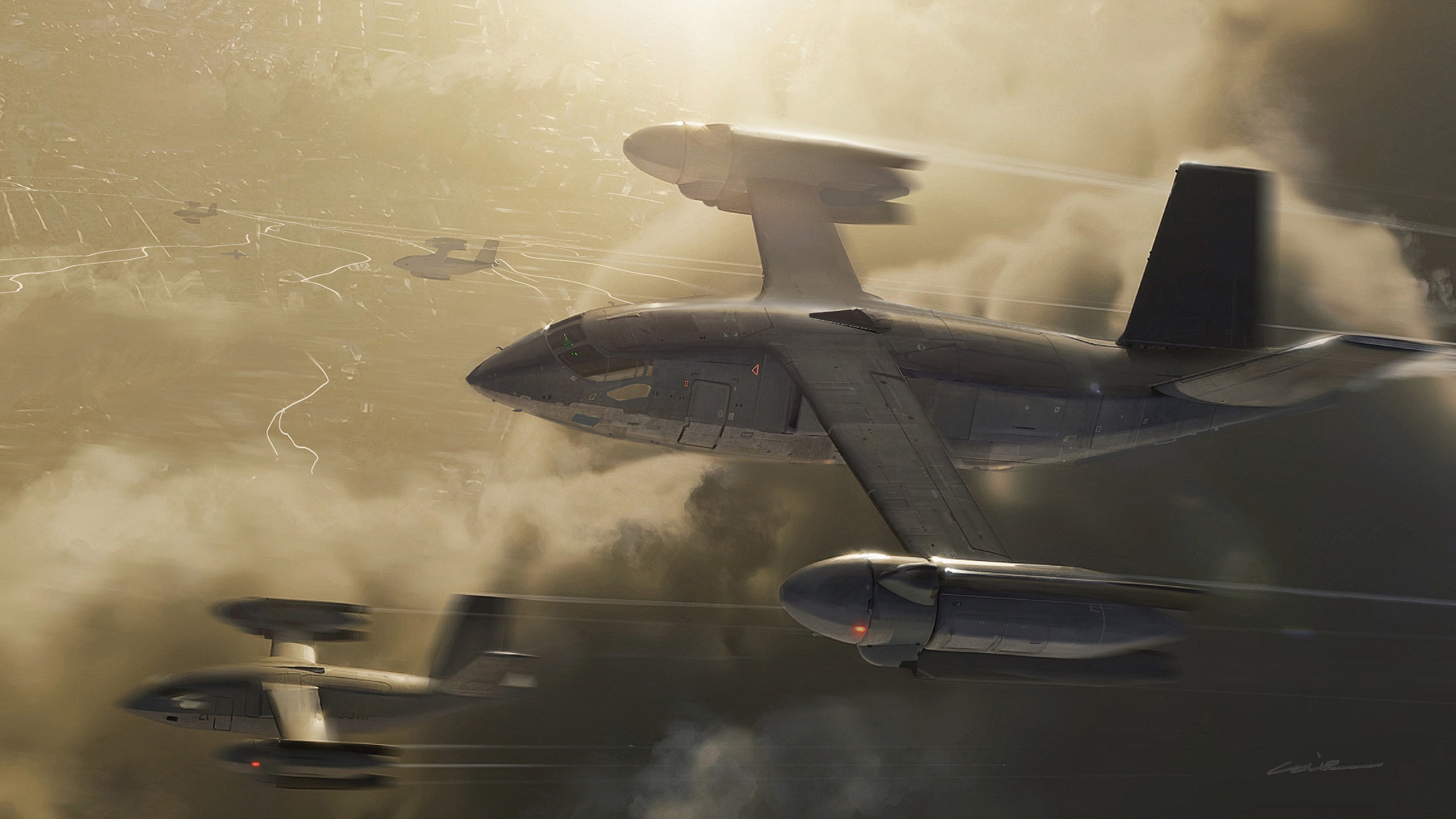
A novel prototype aircraft, engineered to fuse high-velocity jet performance with the versatility of rotary-wing maneuvers, has been revealed by the United States.
Dubbed X-76, this air vehicle is under construction by Bell Textron, forming a component of DARPA’s Speed and Runway Independent Technologies (SPRINT) initiative. The endeavor has now commenced its fabrication phase, subsequent to the triumphant finalization of a Critical Design Review, which signifies the shift from conceptualization to fabrication, assembly, and initial trials.Related: Iran’s Bitter Calcu…
A collaborative undertaking between the Defense Advanced Research Projects Agency (DARPA) and U.S. Special Operations Command, the SPRINT initiative is intended to surmount a persistent constraint within aviation. While standard airplanes deliver swiftness, they necessitate paved airstrips; conversely, helicopters and other vertical take-off platforms, though capable of deployment from remote sites, are considerably less swift.Related: Revealed: Britain’s…
This X-76 prototype is designed to investigate technologies capable of spanning that divide. The air vehicle is engineered to travel at velocities surpassing 400 knots, all while preserving the capability to loiter and deploy from unimproved ground, thereby obviating the necessity of conventional airstrips.
Spokespersons from DARPA indicate that the objective is to develop an air vehicle suited for swift deployment and adaptable maneuvers in settings where standard aerial facilities may be inaccessible or susceptible to attack.
“Historically, the runway has functioned as both a facilitator and a constraint, bestowing swiftness yet forming a crucial susceptibility,” remarked Commander Ian Higgins of the U.S. Navy, who serves as the initiative director for SPRINT at DARPA.
“Through SPRINT, we are not merely constructing a prototype aircraft; we are generating alternatives. We are striving to provide the possibility of unexpected action, the choice of swift bolstering, and the opportunity for crucial velocity, worldwide, independent of any landing strip.”
This air vehicle is a component of the extensive heritage of U.S. X-planes, which are testbed vehicles employed to evaluate novel aeronautical innovations. DARPA stated that the X-76 appellation was additionally selected as an emblematic allusion to the United States’ quarter-millennium milestone and the insurgent ethos of 1776, evidently.
With conceptualization now finalized, the subsequent phase of the initiative will concentrate on constructing and evaluating the prototype air vehicle. Should it prove effective, the innovations investigated via the X-76 might influence subsequent military airframes equipped for rapid, independent-of-runway maneuvers.
Aerial trials for the X-76 prototype are presently scheduled for the initial months of 2028.