
UK Ministry of Defence Amends Critical Aerial Delivery Contract with AmSafe Bridport, Citing Technical Uniqueness
The United Kingdom’s Ministry of Defence (MoD) has announced its intention to amend its existing contract with AmSafe Bridport, a specialist manufacturer of aerospace and defence products, for the continued supply of essential helicopter under slung load equipment and airdrop cargo nets. This amendment, which will increase the contract’s total value to £18.77 million (excluding Value Added Tax, or VAT), is notable for proceeding without a new competitive tender process, a decision justified by the MoD on grounds of technical necessity and the absence of viable alternative suppliers.
According to a transparency notice published on Thursday, the proposed amendment will add an additional £1.34 million to the current contract, which previously stood at £17.43 million. Despite this financial adjustment, the duration of the contract remains unchanged, with its expiry still slated for June 2027. The earliest date for the formal signing of this amendment has been specified as September 30th, indicating an imminent finalization of the terms.
The decision by the National Armaments Director Group to award this significant amendment without a fresh competition is being made under the provisions of Schedule 5, paragraph 6 of the Procurement Act 2023. This specific clause allows government entities to bypass competitive tendering processes when there is a demonstrable “absence of viable alternative suppliers for technical reasons.” For the Ministry of Defence, this justification is rooted in the highly specialized nature of the equipment in question and AmSafe Bridport’s unique position as the original equipment manufacturer (OEM) and design authority.
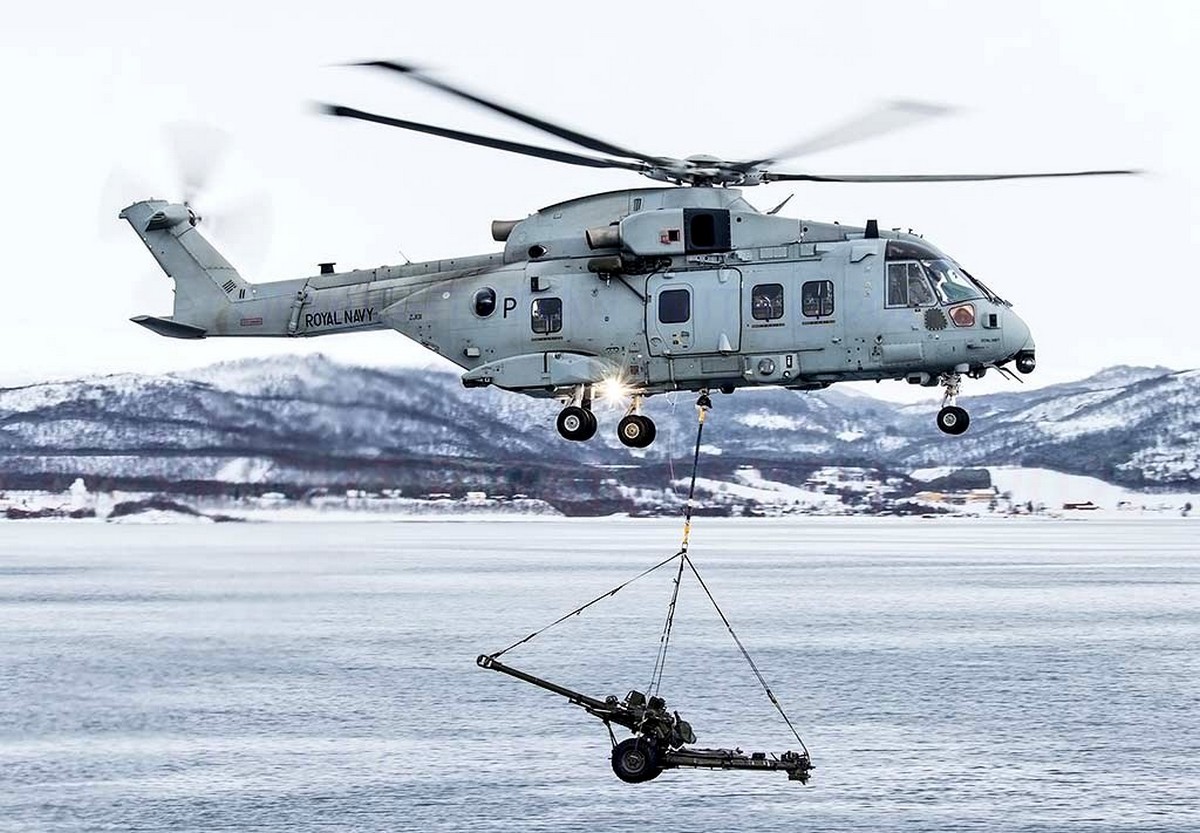
The equipment covered by this contract is vital for a wide array of military and humanitarian operations. “Helicopter under slung load equipment” encompasses the robust strops, nets, and various fittings that enable military helicopters to transport heavy or oversized cargo externally, beneath the aircraft’s airframe. This method is critical for moving essential supplies such as vehicles, artillery pieces, bulk water containers, ammunition, and other stores in environments where conventional road networks are impassable, destroyed, or too slow to meet urgent operational timelines. Such scenarios frequently arise in combat zones, disaster relief operations, or in remote regions lacking developed infrastructure. Similarly, “airdrop cargo nets” serve a related, equally critical function, securing loads designed to be released from aircraft while in flight, allowing for rapid delivery of supplies to ground forces or isolated communities without the need for the aircraft to land.
The transparency notice further elaborates on the strategic importance of these components, detailing their seamless integration into existing military capabilities. The nets are specifically described as an essential component of several key platforms, including the Maritime Modular Platform, the Supply Platform Aerial Delivery, Light Stores, and the Container Delivery System. These systems collectively support a broad spectrum of front-line command requirements across four critical capabilities identified by the department: small boats aerial delivery, maritime resupply, land resupply, and humanitarian aid operations. This highlights the foundational role these seemingly simple pieces of equipment play in ensuring logistical continuity, operational effectiveness, and the ability to respond swiftly to crises both domestically and internationally.
Beyond the direct supply of physical equipment, the amendment also encompasses crucial post-design services. This includes the ongoing review and necessary reissue of airworthiness documentation, a highly specialized and rigorous process essential for maintaining the safety and operational certification of the equipment throughout its service life and up to the contract’s expiry in June 2027. Such documentation ensures that the equipment consistently meets stringent military aviation safety standards, a non-negotiable requirement for all components used in air operations, where even minor failures can have catastrophic consequences.
It is important to note that AmSafe Bridport was not initially selected without competition. The original contract, for which this is an amendment, was awarded following a competitive procurement process. At that time, the requirement was advertised with an estimated value between £12 million and £20 million (excluding VAT). The company’s subsequent designation as the sole-source provider for this amendment stems directly from its established role and unparalleled technical expertise concerning these specific items.
As the original equipment manufacturer and the designated design organization for the nets and load equipment supplied under the contract, AmSafe Bridport possesses unique and proprietary knowledge. The MoD notice explicitly states that the company alone holds “the requisite proprietary design data, manufacturing expertise, and qualification evidence necessary to produce items that meet the required military airworthiness and safety standards.” This means that the intricate design specifications, materials science, stress tolerances, performance data, and the certified manufacturing processes are uniquely held and developed by AmSafe Bridport, making replication by an alternative supplier exceedingly difficult in the short term.
Introducing another supplier at this juncture, according to the department, would necessitate “extensive requalification.” This process would involve significant time and resources for any new provider to demonstrate their ability to design, manufacture, and certify products that meet the rigorous military standards, a task that would likely span several years. The MoD has expressed significant concerns that such a delay “would adversely affect operational readiness and the Authority’s ability to meet urgent Aerial Delivery requirements.” Crucially, the notice underscores that “awarding to any other organisation would pose unacceptable safety and operational risks,” emphasizing the paramount importance of proven reliability, certified safety, and established performance in military aerospace applications where lives and critical missions are at stake.
While acknowledging the immediate necessity of this sole-source amendment to maintain essential capabilities, the Ministry of Defence has indicated that such arrangements are not intended to be permanent. The notice explicitly confirms that “The MOD is currently formulating its longer term strategy and will look to engage with the market to explore potential options for a future competition.” This commitment suggests a future effort to broaden the supplier base or develop alternative solutions once operational imperatives allow for a more extended and less urgent procurement cycle, thereby fostering greater competition and potentially reducing long-term dependency on a single provider.
As is standard practice with such public notices concerning government procurement intentions, the publication of this intention does not definitively confirm that the amendment will be made. Any expenditure or effort undertaken by potential or existing suppliers prior to the formal award remains a matter for their own commercial judgment, serving as a cautionary note to the market that the final decision rests with the MoD.
Why This Matters
The Ministry of Defence’s decision to amend a critical contract with AmSafe Bridport without competition, while justified by current operational needs and technical uniqueness, highlights several important aspects of modern military procurement and national security:
- Ensuring Operational Readiness and Capability:This contract amendment is fundamentally about maintaining the UK armed forces’ ability to conduct essential logistical operations. The equipment supplied by AmSafe Bridport is not merely supplementary; it is a core component for transporting vital supplies, vehicles, and personnel in challenging environments, from combat zones to humanitarian disaster areas. Any disruption in the supply or a failure in the equipment could have immediate and severe consequences for troop welfare, mission success, and the effectiveness of disaster relief efforts. The MoD’s emphasis on “unacceptable safety and operational risks” underscores the critical nature of these items for national security and international responsibilities.
- Complexity of Military Procurement:The justification under Schedule 5, paragraph 6 of the Procurement Act 2023, for “absence of viable alternative suppliers for technical reasons,” illustrates the inherent complexities of acquiring specialized military hardware. Unlike off-the-shelf commercial products, military equipment often requires bespoke design, rigorous testing, and compliance with unique airworthiness and safety standards. This often limits the pool of qualified manufacturers, especially for original equipment and proprietary designs, presenting a delicate balance between fostering competition and ensuring the immediate availability of proven, safe, and effective solutions.
- Stewardship of Taxpayer Funds:While the MoD justifies the sole-source award, such decisions invariably invite scrutiny regarding the efficient use of public money. The amendment adds £1.34 million to an already substantial contract. This highlights the need for transparency and accountability when bypassing competitive bidding, even when legally permissible, to assure the public that the decision represents the best value for money under the prevailing circumstances, given the unique technical requirements and operational exigencies.
- Industrial Base and Strategic Dependencies:This situation highlights the UK’s reliance on a specialized industrial base, specifically companies like AmSafe Bridport, for critical defence capabilities. While essential for immediate needs, such dependencies can raise questions about strategic resilience and the potential for market monopolization in niche defence sectors. The MoD’s stated intention to “explore potential options for a future competition” reflects a recognition of the need to broaden the supplier base and mitigate long-term reliance on a single provider, thereby fostering greater innovation and competition in the future.
- Safety and Airworthiness Standards:The repeated mention of “military airworthiness and safety standards” and the need for “post design services, including the review and reissue of airworthiness documentation” underscores the non-negotiable importance of safety in military aviation. The MoD’s concern that a new supplier would require “extensive requalification” and pose “unacceptable safety and operational risks” is a clear indicator that safety considerations are paramount, even outweighing the immediate desire for a competitive bidding process. This element is crucial for protecting service personnel and ensuring mission integrity.