
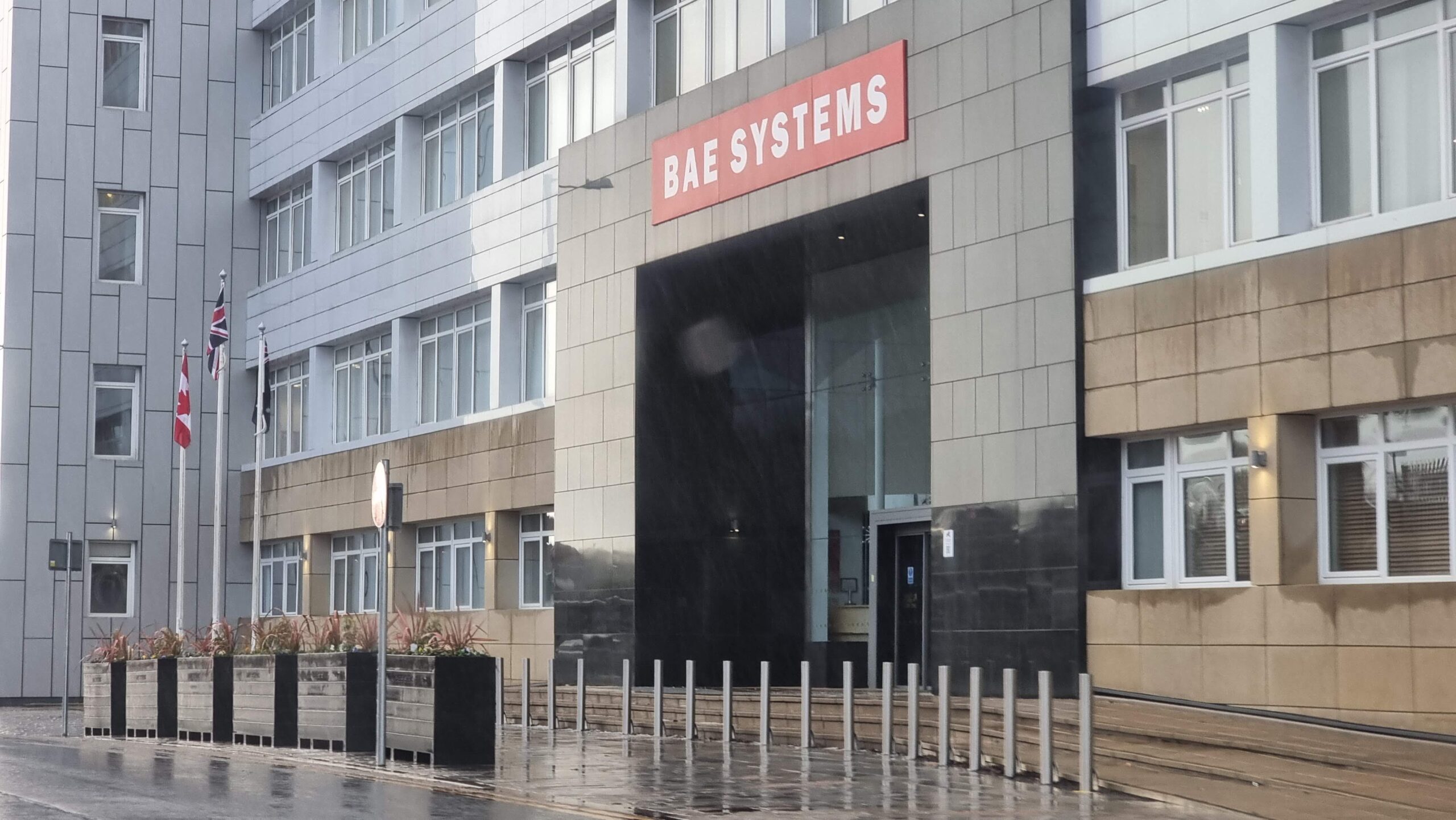
BAE Systems has unveiled another year of robust expansion, showcasing unprecedented revenue and an expanding order backlog, as the firm declared its strategic advantage in capitalizing on elevated defence expenditure.
Upon releasing its full fiscal year results for 2025 on February 18, the aerospace and security conglomerate declared that revenue advanced by 10% on a constant currency basis, reaching £30.7 billion. Concurrently, core earnings before interest and tax surged by 12% to £3.32 billion. Per-share core profit also escalated by 12% to 75.2p.
Chief Executive Charles Woodburn remarked:“Our outcomes underscore another year of robust operational and fiscal achievement, attributable to the exceptional commitment of our workforce. Within an evolving landscape of security investment, fueled by mounting global instabilities, we are optimally prepared to furnish both sophisticated traditional armaments and groundbreaking innovations essential for safeguarding the countries we support, both presently and long-term.”
The corporation disclosed that it concluded the year possessing an unparalleled volume of unfulfilled orders, reaching £83.6 billion, an increase from £77.8 billion in 2024, while new contract awards escalated to £36.8 billion. Unrestricted cash flow amounted to £2.16 billion, a decrease from £2.51 billion the preceding year, which BAE attributed to greater capital deployment, elevated research and development outlays, and investment in fixed assets nearing peak figures at approximately £1 billion.
According to IFRS standards, BAE Systems posted revenue of £28.3 billion, a rise of 8%, and an operating profit of £2.93 billion, an increase of 9%. Fundamental earnings per share climbed 6% to 68.8p.
The firm emphasized multiple significant project advancements throughout the year, encompassing the initiation of Edgewing, a collaborative undertaking with industrial associates in Italy and Japan for the Global Combat Air Programme, and Norway’s choice of the Type 26 frigate blueprint for its forthcoming naval vessel acquisition initiative. BAE characterized the £10 billion intergovernmental accord as establishing the foundation for the UK’s most substantial naval vessel export transaction in terms of worth.
Within the British maritime industry, the company observed advancements in its Type 26 and underwater vessel projects, including the christening of HMS Glasgow, persistent equipping operations at Scotstoun, and sustained building endeavors at Govan. It further stated that it commenced construction of HMS Dreadnought, the inaugural of a quartet of Dreadnought-class underwater craft under construction at Barrow-in-Furness.
BAE Systems affirmed its persistence in allocating capital to British naval construction facilities, including the inauguration of the Janet Harvey Hall at its Govan site, which possesses the capability to assemble a pair of Type 26 frigates simultaneously, and the establishment of the Applied Shipbuilding Academy in Glasgow.
The firm also drew attention to funding for its Sheffield plant, which it stated would initially supply M777 artillery pieces, with intentions to transform the location into a broader military equipment manufacturing center.
BAE stated it hired over 2,500 entry-level personnel over the past year and presently boasts an unprecedented 6,800 trainees, including apprentices, university graduates, and students, undergoing instruction throughout its British operations.
The Directorate proposed a concluding dividend of 22.8p, bringing the aggregate payout for 2025 to 36.3p, representing a 10% rise from the preceding year. The company also bought back 30 million equities as part of its share repurchase scheme for an expenditure of £502 million, thereby distributing a grand total of £1.53 billion to equity holders via payouts and repurchases.
Anticipating the future, BAE Systems provided projections for 2026, predicting revenue expansion ranging from 7% to 9%, with core operating profit and earnings per share anticipated to climb by between 9% and 11%. The company further established an unrestricted cash flow outlook exceeding £1.3 billion for the fiscal period, while elevating its three-year aggregate unrestricted cash flow projection for 2024-2026 to surpass £6 billion, an improvement from an earlier objective exceeding £5.5 billion.