
Former Allied Officials Assess Russia’s Ongoing and Potential Challenges to NATO, Highlighting Baltic Region Risks
Senior former allied officials have indicated that Russia is already engaging in activities that challenge the North Atlantic Treaty Organization (NATO) below the threshold of armed conflict, with concerns that the Kremlin could escalate these efforts to directly test the alliance, potentially focusing on the Baltic states.
Speaking at a press briefing hosted by the Center for European Policy Analysis (CEPA) ahead of a key Ankara summit, Jan Lipavský, formerly the Czech Republic’s Foreign Minister, articulated a hypothesis regarding Russia’s strategic motivations. He suggested that a stalemate or slow-moving front line in Ukraine might compel the Kremlin to seek escalation or a decisive outcome in an alternative theater. Lipavský specifically identified the Baltic region as a probable area for such a shift. “Vladimir Putin will be seeking some kind of solution or escalation in a different kind of theatre, and that might be the Baltics,” Lipavský stated, underscoring a belief that previously unimaginable scenarios are now becoming realities in the current geopolitical climate. “The fact that we don’t like it and we don’t want to see it doesn’t mean that Vladimir Putin won’t decide to test NATO.”
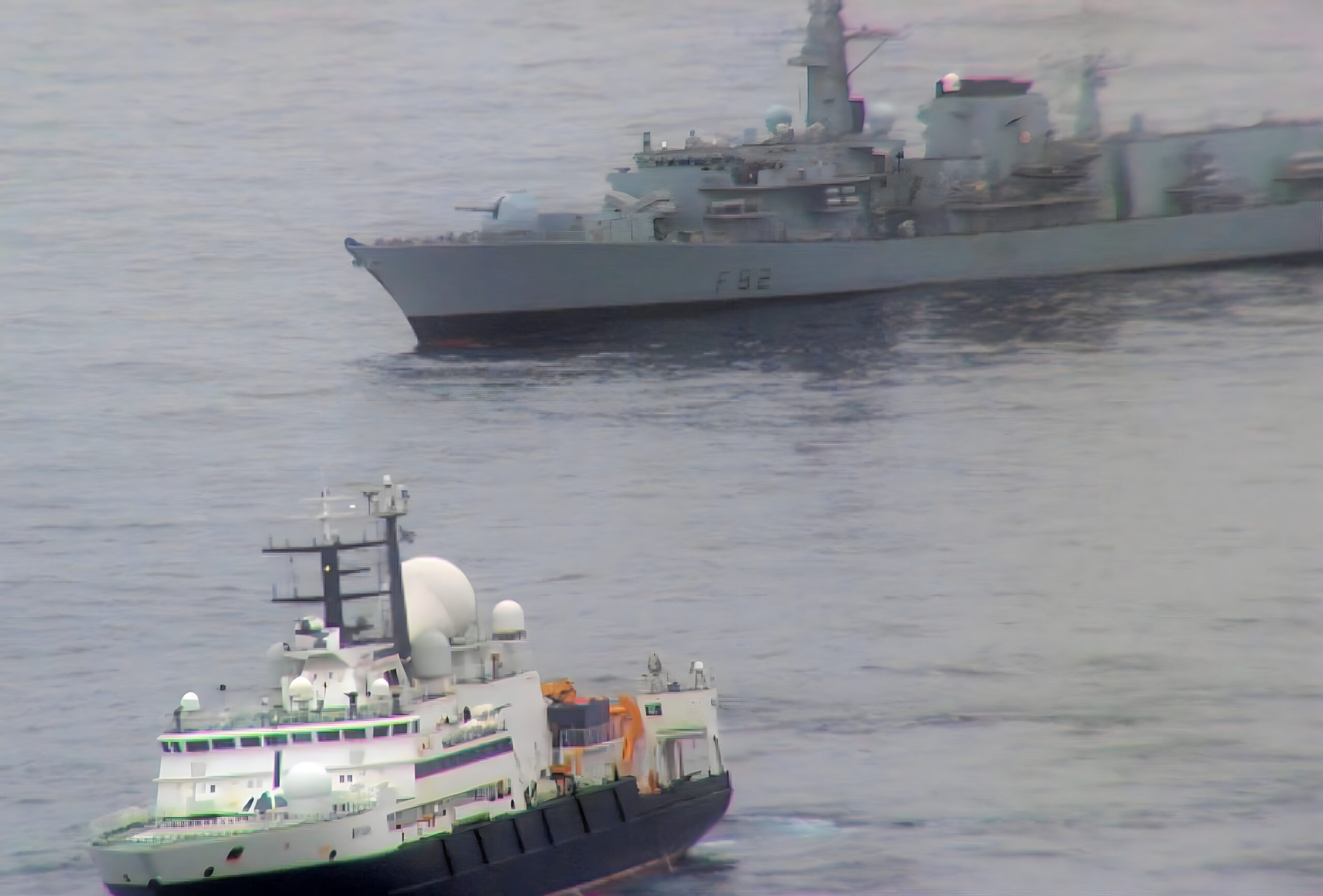
Lipavský further elaborated on the nature of these potential challenges, noting that many such scenarios initiate “under the red line,” a term referring to actions that fall short of overt military aggression but are designed to destabilize or provoke. These tactics encompass a broad spectrum of non-conventional warfare, including sophisticated hybrid warfare operations, deliberate disruption within maritime and electromagnetic domains, and pervasive information warfare campaigns aimed at sowing discord and undermining trust. He also highlighted intelligence indicating Russia’s plans to bolster its military posture in the region, suggesting a strategic preparation for potential future actions.
The discussion also touched upon reported German intelligence assessments suggesting Russia could be prepared to challenge NATO in some form by 2029. However, Laura Galante, who previously served as the US intelligence community’s cyber executive, argued that such a timeframe might be misleadingly optimistic. Galante contended that these assessments understate the immediate and ongoing nature of the threat. “Russia is already challenging NATO,” she asserted, emphasizing that the alliance faces continuous pressure rather than a distant future threat.
Galante elaborated on this perspective by pointing to Russia’s persistent and active contestation of critical systems across the alliance. She cited continuous attacks targeting the interconnected civilian and military infrastructure that underpins NATO operations. This infrastructure includes vital assets such as data centers, undersea communication cables, airports, and railway networks. A significant portion of these essential services is managed by private entities, rendering them particularly vulnerable not only to state-sponsored attacks from Russia but also from actors linked to China, Iran, and various criminal proxies. Galante characterized the shift from isolated, episodic incidents to a state of permanent contestation as a fundamental change in the nature of conflict. She warned that allied nations are increasingly experiencing “warfare below the threshold” of what previous generations would have recognized as conventional armed conflict. Addressing this evolving threat, she stressed, is “not a cyber problem, that’s an alliance problem,” necessitating a comprehensive, alliance-wide response. She advocated for integrating the 1.5 percent infrastructure element of NATO’s 5 percent defense spending commitment with genuine resilience efforts, in line with Article 3 of the NATO treaty, which mandates members to maintain and develop their individual and collective capacity to resist armed attack.
Adding to the conversation, David Cattler, who served as NATO’s Assistant Secretary General for Intelligence and Security from 2019 to 2023, clarified that he was not aware of any publicly published alliance assessment corroborating the specific 2029 readiness date for Russia. However, he confirmed that the geographical areas of concern remained consistent with those under discussion. Cattler noted that nations situated closer to Russia’s eastern front perceive a heightened and more immediate risk of smaller-scale actions occurring on shorter timelines. He cautioned that such actions, even if localized, would impose significant strain not only on the directly targeted nation but also on the collective political and military decision-making processes of the entire alliance, thereby complicating its response mechanisms.
The statements collectively underscore a growing apprehension among former senior allied officials regarding Russia’s current and future posture towards NATO. They highlight the evolving nature of geopolitical conflict, moving beyond conventional warfare to encompass a complex array of hybrid tactics and cyber operations, particularly in regions like the Baltics that share a direct border with Russia.
Why This Matters
The insights from these former senior allied officials carry significant weight for global security, offering a stark assessment of the evolving threat landscape and its implications for international stability. Firstly, the assertion that Russia is already challenging NATO below the threshold of armed conflict signals a profound shift in the nature of modern warfare. This “grey zone” conflict, involving cyber attacks, disinformation campaigns, and economic coercion, allows adversaries to undermine stability and cohesion without triggering a direct military response, creating a persistent state of tension and vulnerability for NATO members and their critical infrastructure.
Secondly, the specific mention of the Baltic states as a potential future theater for Russian escalation is deeply concerning. These nations – Estonia, Latvia, and Lithuania – are strategically vital, sharing borders with Russia and, in Lithuania’s case, with the Russian exclave of Kaliningrad. Any direct challenge or hybrid aggression in this region would immediately test NATO’s Article 5 collective defense clause, which states that an attack against one member is an attack against all. A failure to respond effectively could severely undermine the credibility and deterrence capability of the entire alliance, impacting global power dynamics and encouraging further revisionist actions by other state actors.
Moreover, the emphasis on attacks against civilian and military infrastructure, much of it privately owned, highlights a critical vulnerability. Modern societies are deeply reliant on complex networks of data centers, undersea cables, and transportation systems. Disruptions to these can have cascading effects, impacting national security, economic stability, and the daily lives of citizens. Ensuring the resilience of this infrastructure, therefore, becomes not just a military concern but a societal imperative, requiring unprecedented levels of public-private cooperation and investment in cybersecurity and physical protection.
Finally, the discussion implicitly underscores the imperative for NATO to adapt its strategies and capabilities to confront these multifaceted threats. The call for enhanced infrastructure resilience, aligned with Article 3 commitments, reflects an understanding that traditional military preparedness alone is insufficient. The alliance must bolster its intelligence sharing, synchronize its responses to hybrid threats, and strengthen its political cohesion to effectively deter and defend against an adversary adept at operating in the shadows. This evolving security paradigm demands continuous vigilance, strategic foresight, and a unified response from democratic nations to safeguard peace and stability in an increasingly unpredictable world.