
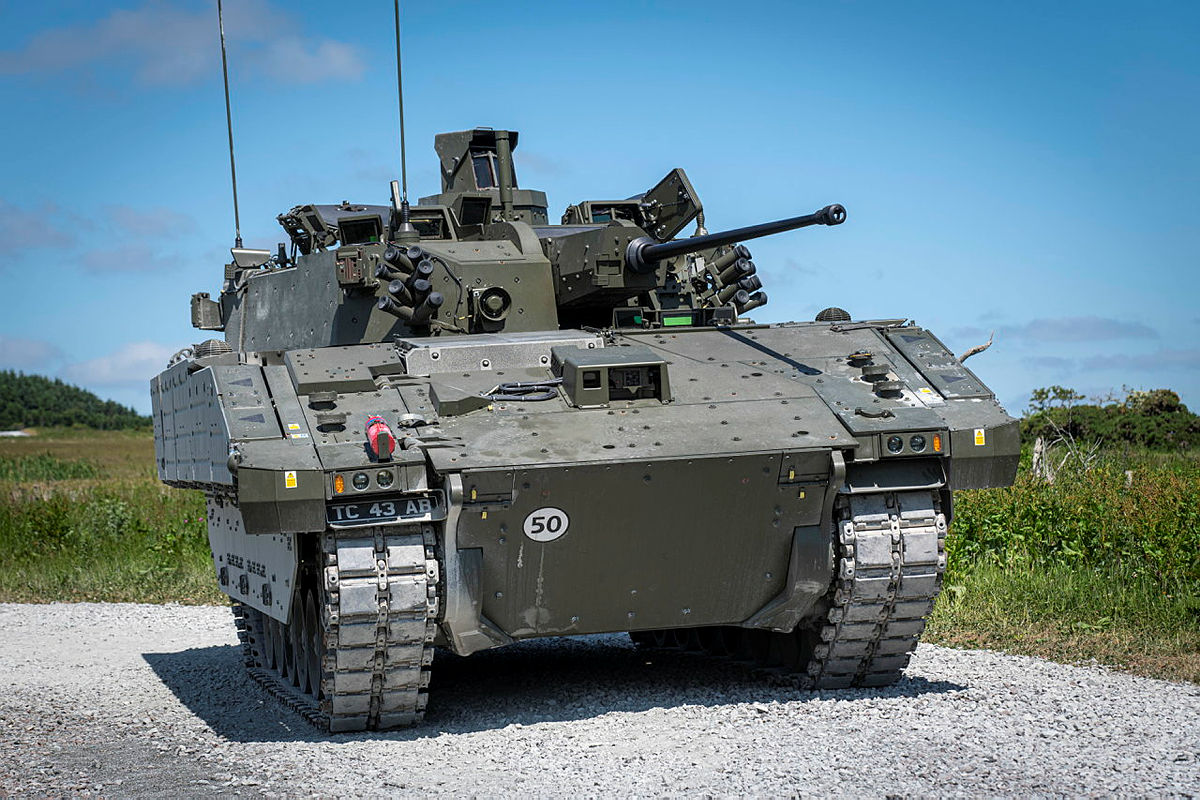
Given that cabinet members are still awaiting the findings from active probes into the problematic Ajax project, the Ministry of Defence has refused to disclose when it anticipates commencing trials to improve the robustness of the British Army’s armored fighting vehicle in its projected Capability Drop 4 configuration.
Defence Minister Luke Pollard, in a formal reply to Conservative MP Ben Obese-Jecty, declined to furnish particulars regarding the timeline for Ajax’s Capability Drop 4 Reliability Growth Trials, asserting that divulging such data might jeopardize combat readiness.
“It would be unsuitable to disseminate an exhaustive compilation of standards, as doing so could, or would likely, undermine the capacity of our military personnel,”Pollard stated.
He further noted that determinations regarding subsequent phases for the programme would only be made following the finalization of ongoing inquiries.“Additionally, I will anticipate the results of the present investigations before reaching an additional determination concerning Ajax’s trajectory,”he affirmed.
The Defence Secretary declares Ajax should either be supported or abandoned
An identical reply was provided when Obese-Jecty inquired about the supplementary functionalities to be incorporated in Capability Drop 4 in contrast to Capability Drop 3. The minister again referenced tactical vulnerabilities and indicated that the administration has not yet pledged to a precise future direction.
Ambiguity surrounds the project’s subsequent enhancement stage, as ministers remain reluctant to corroborate either the engineering specifications or the schedule for the projected Capability Drop 4 enhancements. In recent years, Ajax has encountered recurrent postponements and technological hindrances, including grave hazard issues that prompted a re-assessment of the initiative’s deployment capability and necessitated more extensive evaluations.
The MoD formerly characterized Capability Drops as phased enhancement bundles designed to advance Ajax nearer to complete combat preparedness. However, Pollard’s replies imply that subsequent advancement hinges upon the outcomes of active inquiries prior to any prospective determinations being rendered.