
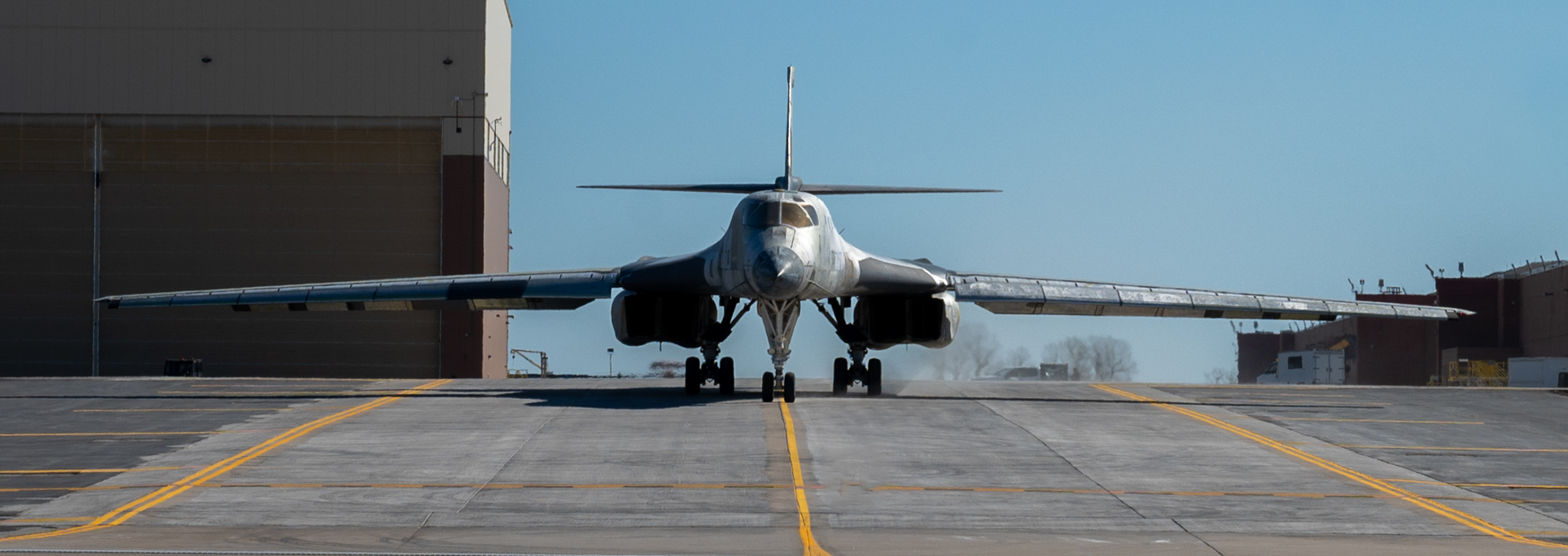
The U.S. Air Force has successfully returned a B-1B Lancer strategic bomber, tail number 86-0115, to operational service after a multi-year restoration effort. This aircraft, previously designated for parts at the “Boneyard” in Davis-Monthan Air Force Base, Arizona, now serves as the flagship for the 7th Bomb Wing at Dyess Air Force Base, Texas. The completion of this regeneration marks a notable event in military aviation, transforming a decommissioned asset into a front-line bomber.
The B-1B Lancer, often referred to as the “Bone,” is a supersonic variable-sweep wing heavy bomber that has been a cornerstone of the U.S. Air Force’s long-range strike capabilities since the 1980s. Designed for high-speed, low-altitude penetration, its role has evolved to include conventional precision strike missions across various global theaters.
In 2021, the Air Force initiated a plan to retire 17 of its B-1B bombers as part of a broader strategy to streamline its fleet, reduce maintenance costs, and pave the way for future platforms like the B-21 Raider. Of these 17 aircraft, four were specifically designated to be kept in “reclaimable condition,” meaning they were maintained to a standard that allowed for potential reactivation if required. Aircraft 86-0115 was among these four, having been sent to the 309th Aerospace Maintenance and Regeneration Group (AMARG) – commonly known as the “Boneyard” – a vast storage facility for retired military aircraft in Arizona.
The intensive process to restore 86-0115 to flight began in earnest in July 2024. The bomber was flown from the “Boneyard” to Tinker Air Force Base, Oklahoma, where it entered the Oklahoma City Air Logistics Complex for comprehensive depot maintenance and repairs. This facility is a critical hub for the sustainment and modernization of various U.S. Air Force aircraft.
Over the course of nearly two years, more than 200 Airmen and civilians from the 567th Aircraft Maintenance Squadron at Tinker AFB dedicated themselves to the regeneration project. Their work involved an extensive overhaul, including the replacement of over 500 components, significant system overhauls, and detailed structural repairs. To expedite the complex restoration, three rotating teams worked around the clock, demonstrating the scale and urgency of the undertaking. The aircraft underwent rigorous functional check flights in February 2026, showcasing its bare-metal configuration before final painting was completed in April 2026.
A U.S. Air Force B-1B Lancer conducts a functional check flight at Tinker Air Force Base, Oklahoma, Feb. 26, 2026, in a stripped, bare-metal configuration. The aircraft underwent extensive depot maintenance to return it to operational status. (U.S. Air Force photo by Courtney Landsberger)
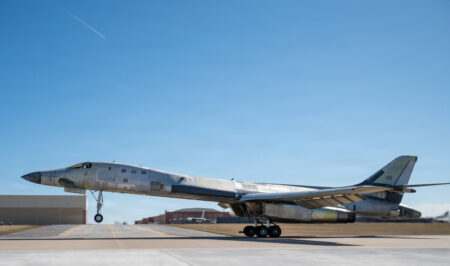
A U.S. Air Force B-1B Lancer in a bare-metal configuration takes off to conduct a test flight at Tinker Air Force Base, Oklahoma, Feb. 26, 2026. The flight marked a key milestone in the aircraft’s regeneration after being removed from long-term storage. (U.S. Air Force photo by Courtney Landsberger)
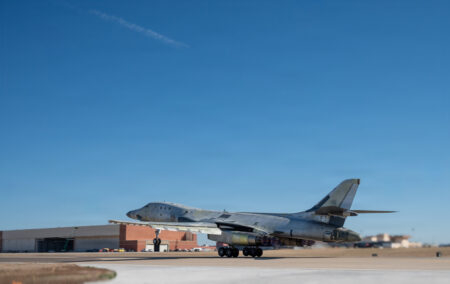
A U.S. Air Force B-1B Lancer in a bare-metal configuration takes off to conduct a test flight at Tinker Air Force Base, Oklahoma, Feb. 26, 2026. The functional check flight validates aircraft systems following depot-level maintenance. (U.S. Air Force photo by Courtney Landsberger)
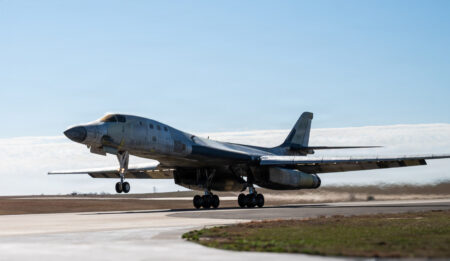
A U.S. Air Force B-1B Lancer performs a functional check flight in a stripped, bare-metal configuration over Tinker Air Force Base, Oklahoma, Feb. 26, 2026. The aircraft was undergoing depot maintenance after being removed from long-term storage and is part of an effort to return the bomber to service. (U.S. Air Force photo by Courtney Landsberger)
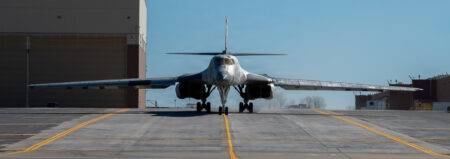
A U.S. Air Force B-1B Lancer taxis to the runway at Tinker Air Force Base, Oklahoma, Feb. 26, 2026. U.S. Air Force photo by Courtney Landsberger
Upon its successful regeneration, the B-1B was given a new name: “Apocalypse II.” This designation is a tribute to the crew of a B-24 Liberator bomber, also nicknamed “Apocalypse,” which was shot down over Burma on December 1, 1942, during World War II. The original “Apocalypse” B-24 was part of the 436th Bombardment Squadron, a unit that is the historical predecessor to the present-day 436th Training Squadron based at Dyess Air Force Base. This naming convention underscores a commitment to honoring military heritage and the sacrifices of previous generations of airmen. In a poignant note, the remains of several crew members from the original “Apocalypse” B-24 were identified through DNA analysis in recent years and subsequently laid to rest. Prior to its retirement, B-1B 86-0115 had been known by the nickname “Rage.”
The newly christened “Apocalypse II” departed Tinker Air Force Base on April 22, 2026, destined for Dyess Air Force Base, where it was officially welcomed back into the fleet. A ceremony was held to mark its return, and new nose art depicting its “Apocalypse II” moniker was applied shortly thereafter, late last month.
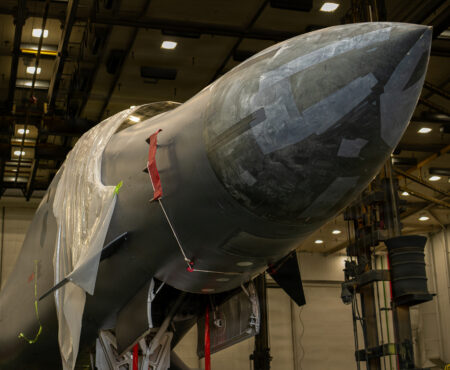
A freshly painted B-1B Lancer rests inside a paint facility at Tinker Air Force Base, Oklahoma, April 15, 2026, following final paint application. The repainting marks a key step in returning the aircraft to service. (U.S. Air Force photo by Courtney Landsberger)
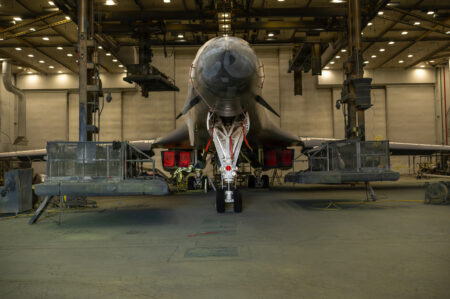
A freshly painted B-1B Lancer is positioned inside a paint facility at Tinker Air Force Base, Oklahoma, April 15, 2026, during depot-level maintenance. The aircraft is being prepared for return to operational use. (U.S. Air Force photo by Courtney Landsberger)
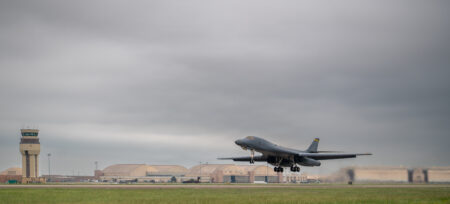
A U.S. Air Force B-1B Lancer lifts off from Tinker Air Force Base, Oklahoma, April 22, 2026, marking the completion of a depot maintenance effort to restore the aircraft’s capabilities. The aircraft returned to operational status five years after being placed in storage at the 309th Aerospace Maintenance and Regeneration Group at Davis-Monthan Air Force Base—commonly known as the “boneyard.” (U.S. Air Force photo by Courtney Landsberger)
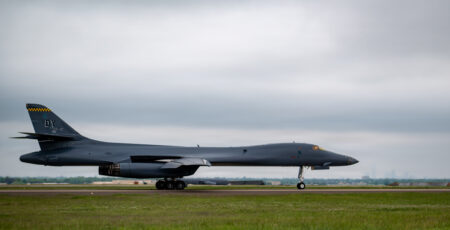
A U.S. Air Force B-1B Lancer takes off from Tinker Air Force Base, Oklahoma, April 22, 2026, following completion of depot maintenance to return the aircraft to operational status. The aircraft was placed in storage at the 309th Aerospace Maintenance and Regeneration Group at Davis-Monthan Air Force Base—commonly known as the “boneyard,” in 2021. (U.S. Air Force photo by Courtney Landsberger)
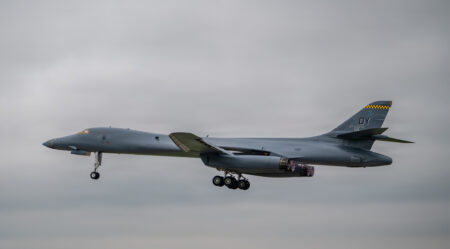
A U.S. Air Force B-1B Lancer takes off from Tinker Air Force Base, Oklahoma, April 22, 2026, signaling the successful completion of depot maintenance to return the aircraft to the fight. The aircraft was placed in storage at the 309th Aerospace Maintenance and Regeneration Group at Davis-Monthan Air Force Base—commonly known as the “boneyard,” in 2021. (U.S. Air Force photo by Courtney Landsberger)
“Apocalypse II” is the second known B-1B Lancer to be reclaimed from the 309th AMARG and returned to active service. Another such aircraft, known as “Lancelot,” also underwent a similar regeneration process, highlighting a strategic shift or adaptation in how the Air Force manages its aging bomber fleet.
Why This Matters
The successful regeneration of B-1B Lancer 86-0115, now “Apocalypse II,” carries significant implications for U.S. strategic capabilities, defense resource management, and military industrial expertise:
Strategic Readiness and Global Posture:The B-1B Lancer remains a critical component of the U.S. Air Force’s long-range strike capability. With ongoing global geopolitical tensions and the strategic shift towards great power competition, maintaining a robust fleet of bombers is paramount. Bringing an aircraft back from retirement directly enhances the operational readiness and capacity of the bomber force, providing additional flexibility for deployment and deterrence missions. Each operational bomber contributes to the nation’s ability to project power and respond to threats across vast distances.
Cost-Effectiveness and Resource Management:The decision to regenerate an existing aircraft, rather than acquiring new ones or maintaining an older, less mission-capable fleet, speaks to a potential strategy of cost-effectiveness. While the restoration effort for “Apocalypse II” was substantial, it may represent a more economical solution than procuring new, high-cost platforms or developing entirely new systems. This approach allows the Air Force to maximize the lifespan of valuable assets, providing a stop-gap measure or an extended capability as the next-generation B-21 Raider is gradually introduced into service. It highlights a pragmatic approach to defense spending, balancing immediate operational needs with long-term modernization goals.
Maintenance Expertise and Industrial Base Resilience:The extensive work undertaken at Tinker Air Force Base demonstrates the critical capabilities of the Air Force’s Air Logistics Complexes and the skilled personnel who operate within them. The successful overhaul of “Apocalypse II” showcases the depth of engineering, maintenance, and logistical expertise required to restore complex military aircraft from long-term storage. This regeneration effort reinforces the importance of a robust defense industrial base and a highly trained workforce, ensuring that the Air Force can sustain its existing platforms and adapt to future challenges, even with aging fleets.
Fleet Longevity and Modernization Strategy:While the B-1B Lancer fleet is slated for eventual replacement by the B-21 Raider, the regeneration of “Apocalypse II” indicates a commitment to extending the operational life of the remaining B-1Bs for as long as strategically necessary. This move suggests that the Air Force anticipates a period where both the B-1B and B-21 will operate concurrently, or that the transition to a fully B-21 fleet will require supplementary B-1B capacity for an extended duration. It underscores the challenges of fleet modernization and the need to maintain current capabilities while investing in future ones.
Symbolism and Heritage:The renaming of the bomber to “Apocalypse II” and its connection to a World War II B-24 Liberator carries significant symbolic weight. It serves as a powerful reminder of military lineage, sacrifice, and the enduring spirit of airmen. This act of honoring past heroes and their units helps to foster morale, reinforce unit identity, and connect current service members to the rich history of the Air Force. It transforms a functional piece of machinery into a symbol of continuity and respect for military heritage.
U.S. Air Force Reactivates B-1B Bomber Amid Fleet Challenges and Shifting Strategic Priorities
The United States Air Force has confirmed the regeneration of a B-1B Lancer bomber from long-term storage, a move aimed at offsetting recent fleet losses and sustaining the operational readiness of its bomber force. Air Force Global Strike Command verified that the aircraft, tail number 86-0115, has been returned to active service to bolster the fleet.
This particular B-1B Lancer had been held in storage at the 309th Aerospace Maintenance and Regeneration Group (AMARG), commonly known as the “Boneyard,” located at Davis-Monthan Air Force Base in Arizona, since early 2021. The regeneration process involves extensive maintenance, inspections, and component replacements to restore the aircraft to mission-ready status. This effort highlights the critical need to maintain bomber fleet numbers in the face of ongoing operational demands and unexpected attrition.
The decision marks the first instance since 2015 that a B-1B has been reactivated from AMARG. In that earlier period, five B-1Bs underwent a similar regeneration process to augment the active fleet, underscoring that such measures are typically undertaken in response to specific operational requirements or to address shortfalls in projected readiness.
The current regeneration follows a significant reduction in the B-1B fleet in 2021, when the Air Force retired 17 aircraft. This strategic divestment was intended to free up maintenance personnel and allocate funding towards the remaining B-1Bs and the development of the next-generation B-21 Raider stealth bomber. The retirements decreased the active B-1B fleet from 62 to 45 aircraft, part of a broader plan to streamline resources and transition to future platforms.
However, since these retirements, the B-1B fleet has experienced an accelerated rate of operational incidents. The Air Force has lost two additional B-1B aircraft due to mishaps, further straining the already reduced fleet. One B-1B was rendered inoperable after catching fire during an engine run in April 2022. More recently, in January 2024, another B-1B was destroyed in a crash at Ellsworth Air Force Base, South Dakota. These incidents underscore the challenges associated with operating and maintaining an aging fleet of complex aircraft, particularly when resources are being reallocated for future systems.
The impact of these losses is reflected in the Air Force’s fiscal year 2027 budget documents, which project a fleet of 44 B-1Bs in active service. This figure, though subject to change, indicates that the regeneration of tail number 86-0115 is a direct response to maintaining operational numbers and capabilities. Furthermore, Congress has intervened to prevent the Air Force from retiring any more B-1Bs from its fleet, signaling legislative intent to preserve current bomber capacity amidst evolving global security challenges and delays in the B-21 Raider’s full operational capability.
This congressional mandate has coincided with a notable shift in the Air Force’s long-term planning for the B-1B. Budget documents now indicate a revised strategy to keep some B-1Bs operational until at least 2037, a significant extension from the previous plan to retire all B-1Bs by the early 2030s. This extended service life is accompanied by a proposed investment of $342 million for modernization efforts, aimed at enhancing the aircraft’s capabilities and ensuring its viability in contemporary combat environments. This strategic pivot suggests a recognition of the B-1B’s continued relevance as a bridge capability until the B-21 Raider can fully assume its role as the backbone of the long-range strike fleet.
The B-1B Lancer, distinguished by possessing the largest conventional payload capacity in the Air Force inventory, has consistently demonstrated its utility in combat operations. The aircraft has been extensively employed in recent bombing operations, notably in “Operation Epic Fury” against targets in Iran. During this period, U.S. bombers, primarily B-1Bs, conducted daily missions from RAF Fairford in the United Kingdom, before a ceasefire agreement was reached last month.
Currently, approximately two dozen U.S. bombers remain stationed at RAF Fairford, with B-1Bs constituting the majority, complemented by a contingent of B-52 Stratofortress aircraft. Beyond forward-deployed assets, B-1Bs, alongside the B-52 Stratofortress and the stealth B-2 Spirit bombers, have also executed missions against Iran directly from bases within the continental United States. This demonstrates the U.S. Air Force’s ability to project conventional air power globally, drawing on its diverse bomber fleet for a range of mission profiles, from sustained conventional strike to precision stealth operations.
The regenerated B-1B, tail number 86-0115, has been designated as the 7th Bomb Wing’s flagship B-1B Lancer and received the nose art “Apocalypse II” at Dyess Air Force Base, Texas. This naming honors a fallen World War II bomber crew, marking both the aircraft’s return to service and its symbolic role within the active fleet.
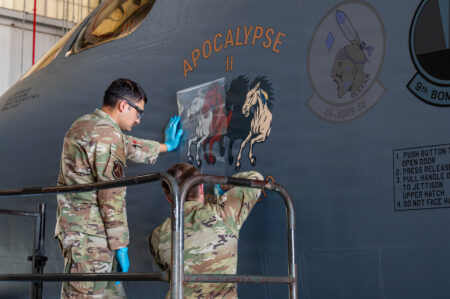
From left, U.S. Air Force Airman 1st Class Giovanni Vasquez and Senior Airman Colton Decker, both 7th Equipment Maintenance Squadron aircraft structural maintenance journeymen, apply the “Apocalypse II” nose art to a B-1B Lancer at Dyess Air Force Base, Texas, April 27, 2026. The artwork honors a fallen World War II bomber crew and completes the regeneration and visual transformation of tail number 86-0115 into the 7th Bomb Wing’s flagship B-1B Lancer. (U.S. Air Force photo by Airman 1st Class William Neal)
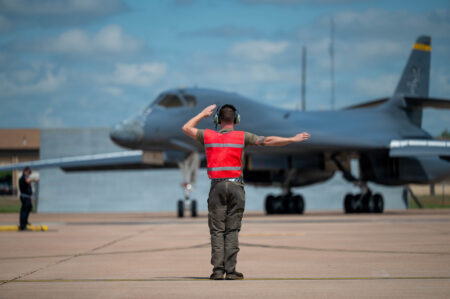
U.S. Air Force Airman 1st Class Trevor Francisco, 28th Bomber Generation Squadron assistant dedicated crew chief, taxis in a B-1B Lancer, tail number 86-0115, at Dyess Air Force Base, Texas, April 22, 2026. Francisco is part of the maintenance team responsible for keeping the newly regenerated bomber mission-ready after it was recalled from retirement to support the active bomber fleet and serve as the 7th Bomb Wing’s historic “Apocalypse II” flagship. (U.S. Air Force photo by Airman 1st Class William Neal)
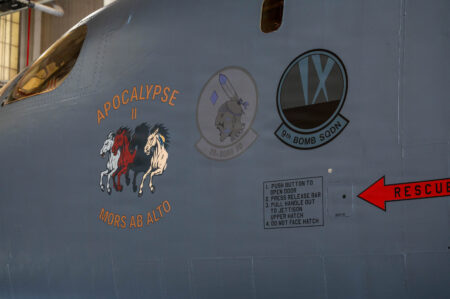
The “Apocalypse II” nose art is displayed on the 7th Bomb Wing’s new flagship B-1B Lancer at Dyess Air Force Base, Texas, April 27, 2026. The freshly applied artwork honors the World War II crew of the B-24J Liberator “Apocalypse” and marks the final step in regenerating tail number 86-0115 for its return to the operational bomber fleet. (U.S. Air Force photo by Airman 1st Class William Neal)
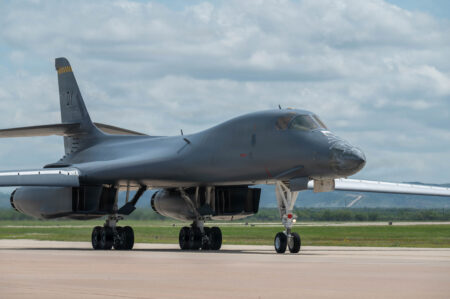
A B-1B Lancer, tail number 86-0115, taxis across the flightline at Dyess Air Force Base, Texas, April 22, 2026. Recalled from long-term storage and regenerated to maintain the Air Force’s operational fleet, the bomber was designated as the 7th Bomb Wing’s new flagship and named “Apocalypse II” to honor a fallen World War II B-24J Liberator crew. (U.S. Air Force photo by Airman 1st Class William Neal)
Why This Matters
The decision to regenerate a B-1B Lancer and extend the service life of the remaining fleet holds significant implications for U.S. defense strategy, global power projection, and resource allocation. Firstly, it underscores the immediate and continuing demand for conventional long-range strike capabilities. Despite plans for next-generation aircraft like the B-21 Raider, the current geopolitical landscape and ongoing operational requirements necessitate a robust existing bomber fleet to deter adversaries, respond to crises, and execute sustained bombing campaigns, as demonstrated by “Operation Epic Fury.”
Secondly, the regeneration and modernization investment highlight the complex balance between maintaining aging platforms and transitioning to new ones. The extension of the B-1B’s service life until 2037, coupled with a $342 million modernization budget, reflects a recognition that the B-21 Raider’s full operational capability may be further off than initially planned, or that a larger bomber force is needed during the transition period. This “bridging strategy” ensures continuity of critical capabilities but also poses challenges in terms of maintenance costs, logistical support, and the strain on personnel and resources that could otherwise be dedicated to newer systems.
Thirdly, congressional intervention in prohibiting further B-1B retirements demonstrates the legislative branch’s role in shaping defense policy and prioritizing strategic capabilities. This oversight indicates a concern that the Air Force’s initial retirement plans might have prematurely diminished a vital component of national security, especially given the recent attrition through accidents. It highlights the tension between the Air Force’s desire to modernize efficiently and Congress’s imperative to maintain sufficient strategic depth and readiness.
Finally, the operational tempo of the B-1B fleet, particularly its deployment from forward bases like RAF Fairford and its engagement in significant operations, underscores its enduring importance in U.S. foreign policy and military strategy. The ability to project substantial conventional firepower globally, whether from overseas bases or the continental U.S., is a cornerstone of American deterrence and crisis response. The challenges faced by the B-1B fleet – from retirements and accidents to regeneration and modernization – are thus direct indicators of the evolving demands on the U.S. military and its capacity to meet future security challenges.