
NATO Bolsters Innovation and Investment, Deputy Secretary General Declares Unmatched Alliance Capability
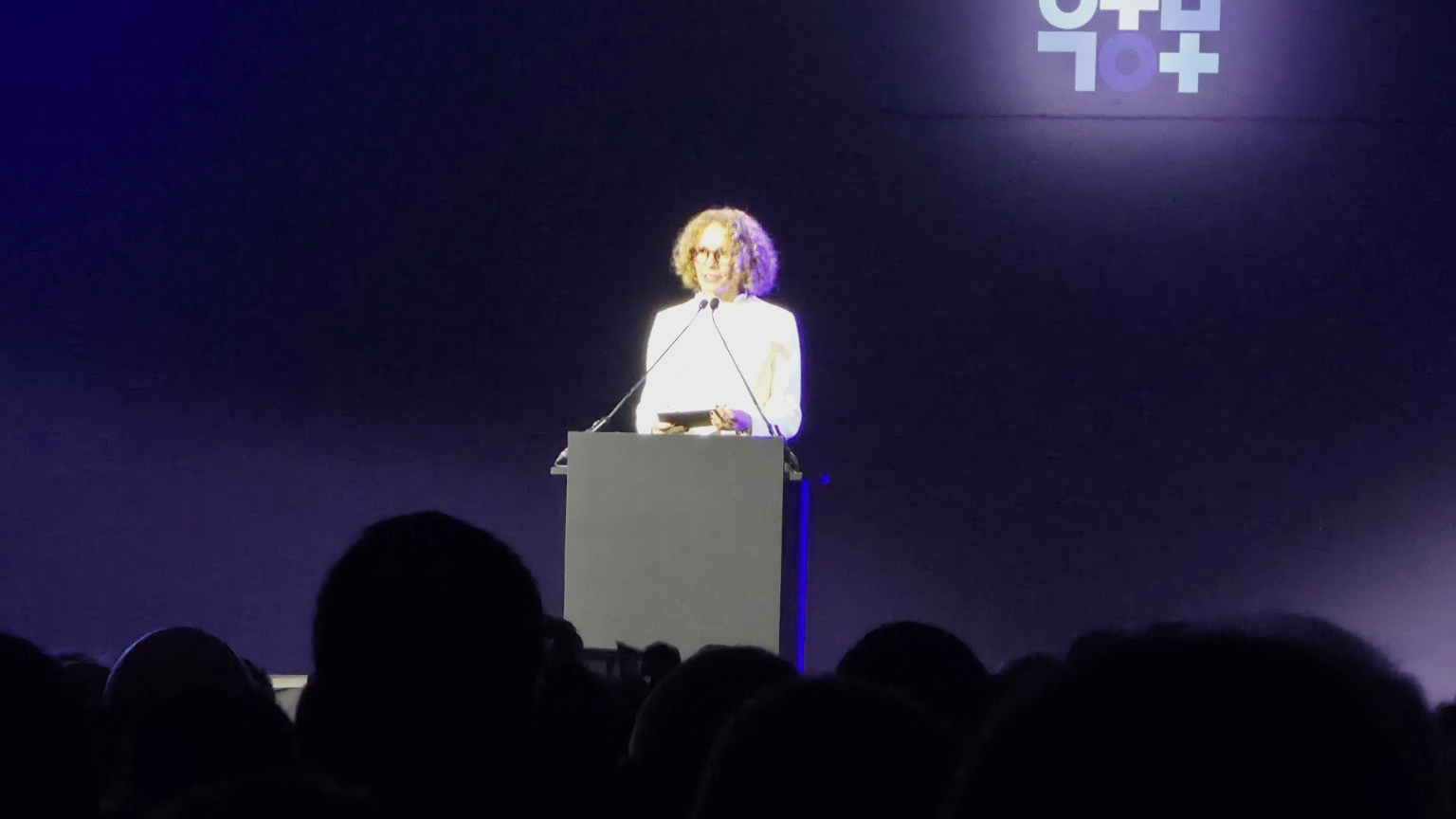
İzmir, Türkiye – NATO’s Deputy Secretary General, Radmila Shekerinska, addressed industry leaders at the NATO Edge 26 conference, asserting that the alliance, alongside its industrial partners, forms a collective “no one can out-innovate.” Her keynote speech highlighted significant advancements in defense investment, technological development, and cooperative initiatives undertaken by member states over the past year.
Speaking in Türkiye, Shekerinska reflected on the progress achieved since NATO leaders convened in Ankara in July. She noted that despite the short timeframe, substantial strides had been made across several critical areas. A key focus was the continued increase in defense spending among allies. She reported that five member nations are now projected to meet the target of spending 5% of their Gross Domestic Product (GDP) on defense by 2026, a remarkable nine years ahead of the 2035 deadline initially set at The Hague summit.
Furthermore, the Deputy Secretary General detailed extensive procurement deals, collectively valued at tens of billions of dollars. These investments span a wide array of advanced military technologies, including AI-enabled drones, state-of-the-art surveillance aircraft, and deep precision strike missiles. Concurrently, defense production capacities have seen expansion on both sides of the Atlantic, with major industrial entities collaborating to co-develop essential capabilities for the alliance. Shekerinska also underscored the successful launch of joint multinational initiatives, notably inaugurating StarLift. This program aims to provide allies with the capability for rapid satellite deployment by leveraging a network of commercial launch providers and spaceports, ensuring quick access to critical space-based assets.
Shekerinska emphasized that the growing strength and contributions from European allies and Canada are fundamentally enhancing NATO’s capabilities and fostering a more equitable distribution of responsibilities within the alliance. This reinforcement, she added, solidifies the transatlantic bond, which remains a foundational pillar of NATO’s collective security framework.
Tracing Technological Superiority from Sputnik to DeepSeek
In her address, Shekerinska contextualized current technological advancements within NATO’s long history of innovation and competition. She described the alliance as being in a perpetual global race for technological supremacy, spanning from the Soviet Union’s Sputnik launch to contemporary AI developments like DeepSeek. She asserted that NATO has consistently maintained its competitive edge through sustained investment in innovation, the development of cutting-edge capabilities, and the rapid deployment of these technologies to its frontline defenders. She also acknowledged that some of these military-driven technologies, such as the internet, have demonstrated dual-use potential, ultimately transforming civilian life globally.
However, Shekerinska stressed that NATO’s true competitive advantage has never stemmed from a singular technological breakthrough. Instead, she identified the alliance’s core strength as its “unity, our resolve, and our unmatched capacity for transatlantic cooperation.” She articulated that when the scientific prowess, public and private investments, and industrial output of the United States, Canada, and Europe are combined, united by a shared history, way of life, and values, they form an alliance whose innovative capacity is unparalleled.
Turning to artificial intelligence, Shekerinska expressed optimism about its potential. She noted the rapid monthly advancements in frontier AI models and the emergence of autonomous agents capable of independent decision-making. While acknowledging the potential for adversaries to weaponize AI, she highlighted its significant opportunities for NATO. These include early identification of vulnerabilities, enhancement of digital security, and faster detection and neutralization of threats across all operational domains. She cited existing deployments of AI-enabled systems by allies for tasks such as detecting and intercepting drones and monitoring undersea pipelines. Shekerinska affirmed NATO’s commitment to embracing AI responsibly, ensuring continuous human oversight, and prioritizing safety and security in its implementation.
A Call to Outthink, Outpace, and Outadapt
In her concluding remarks, Deputy Secretary General Shekerinska directly addressed the corporate representatives present at the event. While acknowledging the difficulty of discerning individual faces from the stage, she expressed profound confidence in the assembled companies and personnel. She characterized them as “brilliant, innovating enterprises, companies, and individuals who are ready to outthink, to outpace, and outadapt all those that challenge us.”
She concluded with a pledge, stating her conviction that through this collaborative effort, NATO would successfully safeguard its one billion citizens in the coming years and decades. The NATO Edge conference, organized by the NATO Communications and Information Agency (NCIA), serves as a crucial platform for NATO, allied governments, and industry to collaborate on digital and data technologies. This year’s event in İzmir marked its largest iteration to date, featuring over 280 exhibiting companies, with more than half participating for the first time. NCIA has projected that the event will facilitate approximately €2.7 billion in business opportunities over the next two years.
Why This Matters
The statements and developments highlighted by NATO’s Deputy Secretary General at NATO Edge 26 carry significant implications for global security, economic dynamics, and technological innovation. Firstly, the accelerated increase in defense spending by NATO members, with five allies now projected to exceed the 5% GDP target years ahead of schedule, signals a heightened commitment to collective defense and deterrence. This surge in investment is directly relevant to the current geopolitical landscape, particularly in the wake of ongoing conflicts and rising tensions globally. It underscores a strategic pivot towards strengthening military readiness and modernizing capabilities, which could influence the calculus of potential adversaries and contribute to regional stability or, conversely, escalate an arms race.
Secondly, the focus on multi-billion-dollar procurement deals and the expansion of transatlantic defense production emphasize the economic impact of these initiatives. Such investments not only stimulate defense industries across member states, fostering job creation and technological advancements, but also deepen the integration of military-industrial complexes within the alliance. The co-development of critical capabilities and initiatives like StarLift, which leverages commercial space providers for rapid satellite launches, highlight a growing reliance on private sector innovation and a blend of public-private partnerships to achieve strategic military objectives. This convergence has broader implications for technological leadership, potentially driving advancements that could eventually find dual-use applications in the civilian sector, much like the internet.
Finally, Shekerinska’s emphasis on NATO’s competitive edge stemming from “unity, resolve, and unmatched capacity for transatlantic cooperation,” rather than any single technology, reinforces the enduring importance of alliance cohesion. In an era where technological prowess is often seen as the primary determinant of military strength, her message underlines the strategic value of political solidarity and shared values. The responsible integration of cutting-edge technologies like AI, with a commitment to human oversight and ethical considerations, is crucial for maintaining public trust and ensuring these tools are used in alignment with democratic principles. This comprehensive approach to security, blending robust investment, technological innovation, and steadfast alliance unity, is central to NATO’s ability to navigate complex global challenges and maintain its role as a key actor in international security for the foreseeable future.