
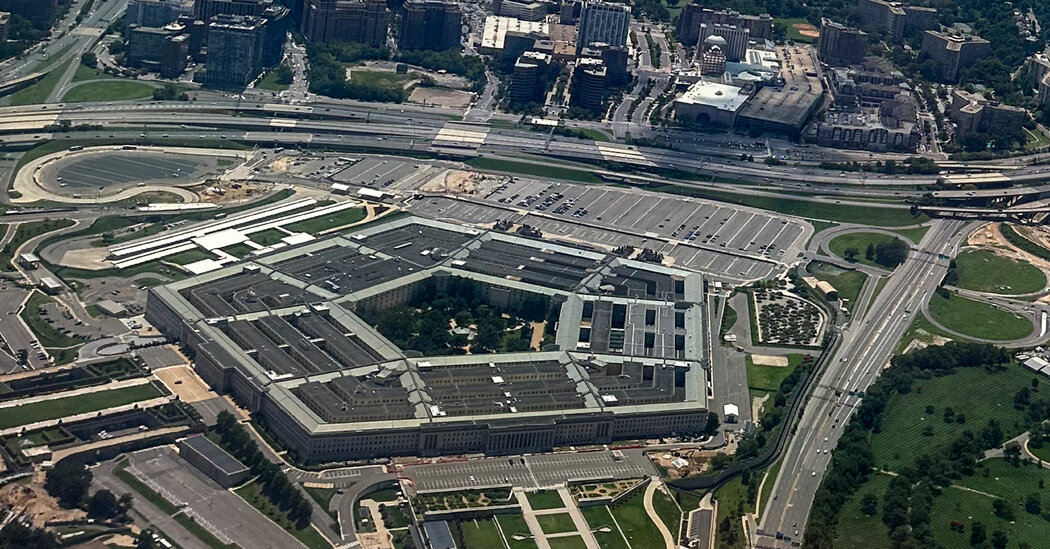
U.S. Joint Staff Members Subjected to Polygraph Tests Amid Leak Investigation
Washington D.C. – In an unusual move highlighting the seriousness with which the U.S. government views unauthorized disclosures, federal investigators have subjected approximately 50 members of the U.S. military’s Joint Staff to polygraph examinations. These tests were conducted as part of an investigation into leaks of classified information to journalists, particularly concerning the impact of what has been described as an “Iran war” on the availability of critical military munitions.
According to officials with knowledge of the investigation, the polygraph tests took place in August. The individuals questioned included both military officers and civilian employees serving on the Joint Staff, a body comprising senior uniformed leaders from each of the U.S. armed services who advise the President, Secretary of Defense, and National Security Council. Investigators specifically probed whether these individuals had disclosed classified information to members of the press and whether they had provided details regarding depleted U.S. munitions stocks.
The decision to administer polygraph tests followed a period marked by numerous news reports detailing a significant reduction in the U.S. military’s inventory of crucial armaments. These reports specifically cited shortages of long-range missiles and Patriot interceptors, both vital components of modern U.S. defense capabilities. While the term “Iran war” in the original reports does not necessarily indicate a declared, large-scale conflict, it likely refers to ongoing U.S. strategic competition, proxy engagements, or potential conflict scenarios in the Middle East that could rapidly consume substantial quantities of specialized munitions.
The Joint Staff is a critical nexus of military planning and intelligence, with between 1,500 and 2,000 officers and officials working within its various directorates. The selection of roughly 50 individuals for polygraph testing, a relatively small fraction of the total staff, suggests a targeted investigation based on specific intelligence or suspicion. Polygraph examinations, often referred to as “lie detector” tests, are a controversial tool in security investigations. While their scientific accuracy is debated and their results are generally not admissible in U.S. courts, they are routinely used by federal agencies for security clearance determinations and internal administrative inquiries. They are employed to encourage candor and identify individuals who may pose a security risk, even if they don’t produce legally actionable evidence.
Responding to inquiries, Pentagon spokesman Sean Parnell issued a statement emphasizing the Department of Defense’s strict stance on information security. “The department does not comment on internal personnel or investigative matters but takes all leaks of classified national security information extremely seriously and investigates accordingly,” Parnell stated. He further underscored the broader implications of such disclosures, adding, “Securing classified information is critical to ensuring the security of the United States and of our troops deployed around the world.” This standard response reflects the government’s policy of neither confirming nor denying ongoing investigations, while simultaneously reiterating the paramount importance of safeguarding national security information.
The investigation into these leaks comes amidst heightened global tensions and significant U.S. military support to allies, particularly in ongoing conflicts. The revelation of depleted munitions stocks could have serious implications for U.S. strategic planning, deterrence capabilities, and its ability to sustain prolonged military operations or support partners globally. Unauthorized disclosures of such sensitive information are viewed as potentially undermining national security by providing adversaries with valuable intelligence about U.S. vulnerabilities and operational limitations. Historically, the U.S. government has pursued leakers aggressively under statutes such as the Espionage Act, underscoring the legal risks associated with unauthorized dissemination of classified material.
This development underscores the ongoing tension between government transparency and the imperative of national security, particularly in an era where information can spread rapidly. The use of polygraphs against such a senior and critical military body highlights the extent of concern within the Pentagon regarding the integrity of classified information and the potential impact of its unauthorized release.
***
Why This Matters
The extraordinary step of subjecting members of the Joint Staff to polygraph tests for leaks holds significant implications across several critical domains:
- National Security and Military Readiness:Information concerning the shortage of crucial munitions, such as long-range missiles and Patriot interceptors, is highly sensitive. If adversaries gain confirmed knowledge of such deficiencies, it could embolden them, alter their strategic calculations, and potentially compromise U.S. deterrence capabilities. It could also impact the U.S. military’s ability to effectively respond to contingencies, sustain operations, or adequately support allies in various theaters.
- Trust and Internal Security:The investigation signals a breakdown in trust within high-level defense circles. Such inquiries, especially those involving polygraphs, can create an atmosphere of suspicion and potentially impact morale among staff members. More broadly, it underscores the ongoing challenge for the U.S. government to secure classified information even from its most trusted personnel.
- Government Transparency vs. Secrecy:This incident reignites the perennial debate about the balance between the public’s right to know and the government’s need to protect sensitive national security information. While leaks can sometimes expose misconduct or inform public debate, unauthorized disclosures of classified material deemed critical to national defense are treated with extreme gravity by authorities.
- Implications for U.S. Foreign Policy:Perceptions of U.S. military strength and readiness directly influence its standing on the global stage. Reports of munitions shortages, especially if confirmed by government investigations, could affect how allies view U.S. commitments and how adversaries gauge U.S. capabilities, potentially shifting geopolitical dynamics.
- The Role of Polygraphs in Investigations:The use of polygraph tests, despite their scientific controversies, highlights their continued role as a tool in U.S. security and intelligence agencies’ efforts to identify sources of leaks and deter future unauthorized disclosures. This case demonstrates the lengths to which the government will go to protect classified information, even if the method itself is imperfect.
- Context of “Iran War”:The mention of an “Iran war” in connection with munitions shortages underscores the ongoing strategic challenges and potential for conflict in the Middle East. While not necessarily signifying a declared war, the U.S. maintains a significant military presence and conducts operations in the region, which could involve substantial expenditure of munitions, leading to concerns about readiness for potential escalation.
This investigation is not merely an internal personnel matter; it reflects profound concerns about U.S. national security posture, the integrity of its classified systems, and its capacity to meet evolving global threats.