
Football’s Grand Symphony: The World Cup Final Transcends Sport, Embracing Pop Culture and Global Impact
The final whistle has blown, but the reverberations from Sunday, July 19th’s epic clash at the New York New Jersey Stadium echo far beyond the pitch. This wasn’t just a football match; it was a cultural supernova, a dazzling, at times jarring, fusion of athletic prowess and A-list entertainment. While Argentina ultimately lifted the coveted trophy in a breathtaking display, it was the inaugural FIFA World Cup Final Half-Time Show – a star-studded spectacle featuring Justin Bieber, Madonna, Shakira, and BTS – that truly ignited a global debate, forever altering the landscape of the beautiful game’s grandest stage.
FIFA’s ambitious declaration promised that “football, music and social impact will come together,” and they delivered on that promise with audacious flair. The 11-minute, Super Bowl-style broadcast during the interval was a veritable who’s who of global entertainment. From Nigerian sensation Burna Boy’s electrifying performance to the orchestral genius of Venezuelan conductor Gustavo Dudamel leading the PS 22 Chorus, all curated with the artistic touch of Coldplay’s Chris Martin, the sheer scale was unprecedented. Even beloved characters from Sesame Street and The Muppets made an appearance, aiming for universal appeal that stretched far beyond traditional football demographics.
World Cup Half-Time Show: Madonna, Coldplay, Shakira and Burna Boy Command the Global Stage
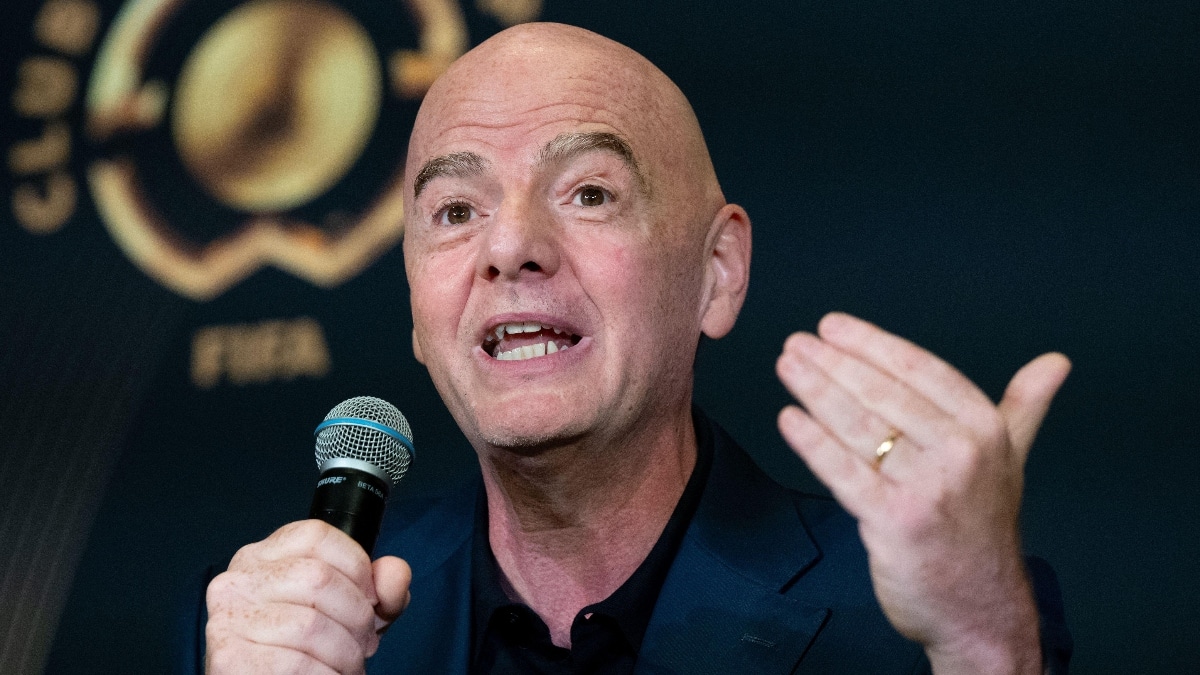
The strategic brilliance, or perhaps controversial gamble, behind this star-studded interlude was its tie-in with the FIFA Global Citizen Education Fund. This initiative aims to raise a staggering £74.7m ($100m) to expand access to quality education and football opportunities for children worldwide. With over £37.3m ($50m) already secured, including a dollar from every World Cup match ticket sold, FIFA President Gianni Infantino championed the spectacle. “When it comes to what the world needs, there is nothing more important than education,” Infantino declared, highlighting the union of celebrity power and humanitarian goals. “As the world unites for the most significant football match in history… this groundbreaking spectacle… will celebrate football, music and our shared values, ensuring a legacy that transcends the final whistle.”
Yet, for purists, the move sparked fervent discussion. While common in US Sports like the NFL, half-time shows of this magnitude are alien to football’s core traditions, where a pre-match ceremony typically suffices. Combined with the controversial hydration breaks – effectively splitting halves into quarters – this World Cup aggressively pushed the boundaries of convention. Was it a necessary evolution for a global sport aiming for broader appeal, or a step too far in the commercialization and “Americanization” of football? The debate raged in the stands and across social media, even as the first half’s thrilling football unfolded.
The Unfolding Drama: First Half Firestorm
Before the musical maestros took over, the pitch itself was ablaze. The World Cup Final between France and Argentina was an instant classic, a rematch steeped in recent history and burning ambition. From the opening whistle, the tension was palpable. France, with their lightning-fast counter-attacks spearheaded by the dazzling Kylian Stride, looked to assert dominance. Argentina, marshaled by their evergreen maestro, El Capitan, sought control through intricate passing and relentless pressing. The first 45 minutes were a tactical chess match punctuated by moments of individual brilliance. It was Stride who broke the deadlock in the 28th minute, a searing run down the left flank followed by a clinical finish that sent the French faithful into raptures. Argentina pressed hard for an equalizer, with El Capitan orchestrating several dangerous moves, but French goalkeeper Hugo Lloris made two world-class saves to preserve his side’s slender lead going into the interval. The stadium buzzed with nervous energy, the performance of the half-time show almost a footnote to the unfolding sporting drama.
Game Highlights: France vs. Argentina – A Final for the Ages (3-2 AET)
- 28′ GOAL – Kylian Stride (France):A blistering solo run and a precise finish from outside the box, leaving the Argentine defense reeling. Stride showcased his explosive pace and unerring accuracy.
- 36′ SAVE – Lloris (France):A diving stop to deny El Capitan’s curling free-kick, destined for the top corner. A moment of individual brilliance preventing an immediate equalizer.
- 45′ YELLOW CARD – Fernandez (Argentina):A cynical foul to prevent a French counter-attack, indicating Argentina’s growing frustration.
- 57′ GOAL – Enzo Martinez (Argentina):A stunning long-range strike that swerved past Lloris, bringing Argentina level. The momentum shifted dramatically after the half-time break.
- 72′ POST – Dembélé (France):A powerful shot from the edge of the box ricochets off the upright, denying France a crucial lead. The tension was unbearable.
- 89′ PENALTY & GOAL – El Capitan (Argentina):A VAR review awards Argentina a penalty for a handball. El Capitan calmly converts, sending Lloris the wrong way and putting Argentina ahead in the dying minutes of normal time.
- 90+5′ GOAL – Stride (France):In a heart-stopping twist, Stride scores his second, a close-range header from a corner kick, forcing the match into extra time! The stadium erupted in disbelief and elation.
- 108′ GOAL – Julian Álvarez (Argentina):A clinical finish after a lightning-fast counter-attack, securing Argentina’s lead in the second period of extra time. The South American champions showed incredible resilience.
- 118′ RED CARD – Pavard (France):A desperate foul to stop an Argentine breakaway, resulting in a straight red and effectively ending France’s hopes.
- Final Whistle:Argentina wins the World Cup Final 3-2 after a grueling 120 minutes of football.
Second Half & Beyond: A Battle of Wills
Emerging from the half-time spectacle, the players looked reinvigorated, or perhaps simply overshadowed for a brief moment. Argentina came out with renewed purpose in the second half, their determination palpable. The equalizer came in the 57th minute, a thunderous long-range strike from Enzo Martinez that left Lloris grasping at air. The game then became a breathless end-to-end affair, with both teams exchanging blows. France hit the post, Argentina had a goal disallowed for offside. Then, in the 89th minute, a VAR-awarded penalty for a handball saw El Capitan step up and calmly slot home, sending the Argentine fans into delirium, seemingly sealing their fate. But this World Cup had one more twist. In the 95th minute of injury time, Kylian Stride, the generational talent, nodded home a corner, forcing the game into extra time and plunging the New York New Jersey Stadium into a frenzy.
The extra periods were a testament to human endurance and tactical resolve. Argentina, despite their fatigue, found a deeper well of courage. Julian Álvarez scored the decisive goal in the 108th minute, a clinical finish after a brilliant team move. France pushed desperately, but a late red card for Pavard curtailed their final surge. The final whistle brought tears of joy and agony, a World Cup decided by the narrowest of margins, a triumph of spirit over exhaustion, and a testament to the beautiful game’s enduring power.
Impact and Legacy: More Than Just a Game
The 2026 World Cup Final will be etched into history not just for Argentina’s heroic victory over France, but for its audacious embrace of global entertainment. It was a litmus test for FIFA’s vision, a bold statement that the World Cup can be both the pinnacle of football and a blockbuster entertainment event. The infusion of pop culture, while jarring for some, undeniably broadened the tournament’s appeal, reaching audiences perhaps uninterested in football alone. It raised substantial funds for education and cemented the World Cup’s status as an unparalleled global platform. This event proved that even in the face of tradition, innovation can capture the world’s imagination, albeit with a healthy dose of debate.
Prediction: The Future is Now
The 2026 World Cup Final was a watershed moment, a declaration that the ‘Americanization’ of global football’s biggest stage is not just a possibility, but a reality. Expect future World Cup finals to lean even further into this hybrid model, with half-time shows becoming an integral, expected part of the experience. The commercial opportunities and philanthropic potential are too significant for FIFA to ignore. While traditionalists will continue to lament the shift, the undeniable global reach and engagement generated by this spectacle ensures that the World Cup final will forever be a dual celebration: a clash of titans on the pitch, and a symphony of stars off it, blurring the lines between sport and entertainment like never before. The game will always be the heart, but the show is now undeniably the soul, a vibrant, pulsating rhythm that defines the modern era of the beautiful game.