
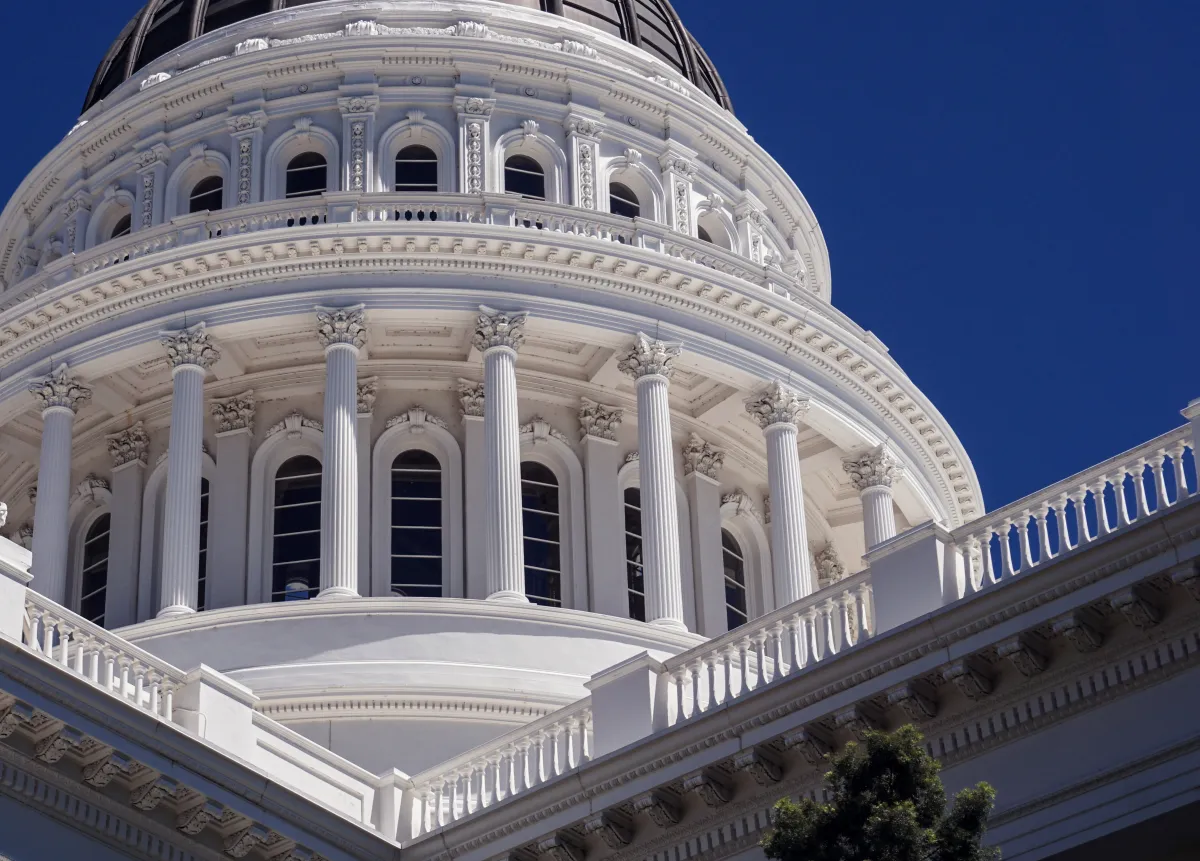
On Thursday, two U.S. senators initiated the newest action in a growing campaign focusing on data centers and their significant energy consumption. Senators Josh Hawley and Elizabeth Warren dispatched a formal letter to the U.S. Energy Information Administration (EIA), urging it to compile specific data regarding the energy utilized by these centers — and to assess how this usage is impacting the national power grid.
In the correspondence, which TechCrunch has reviewed, the senators strongly encouraged the EIA “to institute a compulsory yearly disclosure mandate for data centers and other substantial power consumers.” They articulated that “given the sustained acceleration in electricity demand after a period of comparative stagnation, the absence of dependable, uniform data concerning large load energy consumption presents considerable hazards for efficient power network planning and supervision.” Wired initially broke the news about this communication.
This correspondence marks not the inaugural effort by lawmakers to seek novel oversight stipulations upon data centers. Sen. Bernie Sanders and Rep. Alexandria Ocasio-Cortez announced on Wednesday their intention to propose a bill that would pause the erection of new data facilities until legislative bodies reach a consensus on governing artificial intelligence.
The power utilization by data centers has seen an immense surge over the past few years. For instance, Google’s data centers saw their usage increase twofold between 2020 and 2024. This trajectory is improbable to shift soon. Projections indicate that by 2035, new data facilities currently planned will almost triple the entire sector’s power requirements.
The EIA functions as a governmental body charged with gathering and examining information pertinent to the nation’s power infrastructure — akin to a statistical office for the electrical network. It was founded in 1977 as part of the Department of Energy, following the energy crises of the early 1970s.
For many decades, the EIA has accumulated an abundance of data concerning power consumption across the U.S., encompassing expenses, power generation origins, and conservation initiatives. It also monitors the energy consumption patterns across various sectors, despite its current emphasis on merely four expansive classifications: residential, commercial, industrial, and transportation.
Hawley and Warren are additionally requesting the EIA to compile more detailed data on data centers, specifically how power usage varies for artificial intelligence processing versus standard cloud offerings.
Techcrunch event
San Francisco, CA
|
October 13-15, 2026
The senators have highly precise demands concerning the nature of that information, such as hourly, yearly, and maximum energy demands, alongside the tariffs paid by businesses. Furthermore, they seek information on any necessary power grid enhancements due to the incorporation of new substantial consumers, the financing mechanisms for such improvements, and if clients of data centers engage in load management initiatives, where energy providers compensate major consumers for temporarily decreasing their consumption.
The correspondence highlights EIA administrator Tristan Abbey, who in December affirmed the agency’s role as a “pivotal actor” in gathering information concerning the power requirements of data centers. Hawley and Warren urged the agency to respond to their communication by April 9th.
The procedure might already be in motion, even though the EIA has not publicly confirmed it. Alterations to EIA questionnaires necessitate progression through the Office of Management and Budget process, entailing a phase for public input.
“We frequently receive requests for analytical work. Demands for an entirely new offering are less common,” Abbey stated at the public gathering in December. “Initiating a fresh survey from its inception typically spans approximately two years. However, existing mandates allow circumvention of this two-year timeframe through implementing studies of a more limited reach, yet potentially yielding clearer insights.”
{content}
Source:{feed_title}