
Key Takeaways:
- Reactive Innovation:Microsoft consistently overhauls Windows in direct response to competitive threats from Apple, a pattern stretching back over two decades.
- MacBook Neo Catalyst:Apple’s new $599 MacBook Neo is forcing Microsoft to undertake a significant, user-centric overhaul of Windows 11, targeting performance, reliability, and user experience for the mass market.
- Leadership & Execution:A dedicated team led by Pavan Davuluri and Marcus Ash is tackling key Windows pain points, but success hinges on swift and high-quality execution to regain user trust.
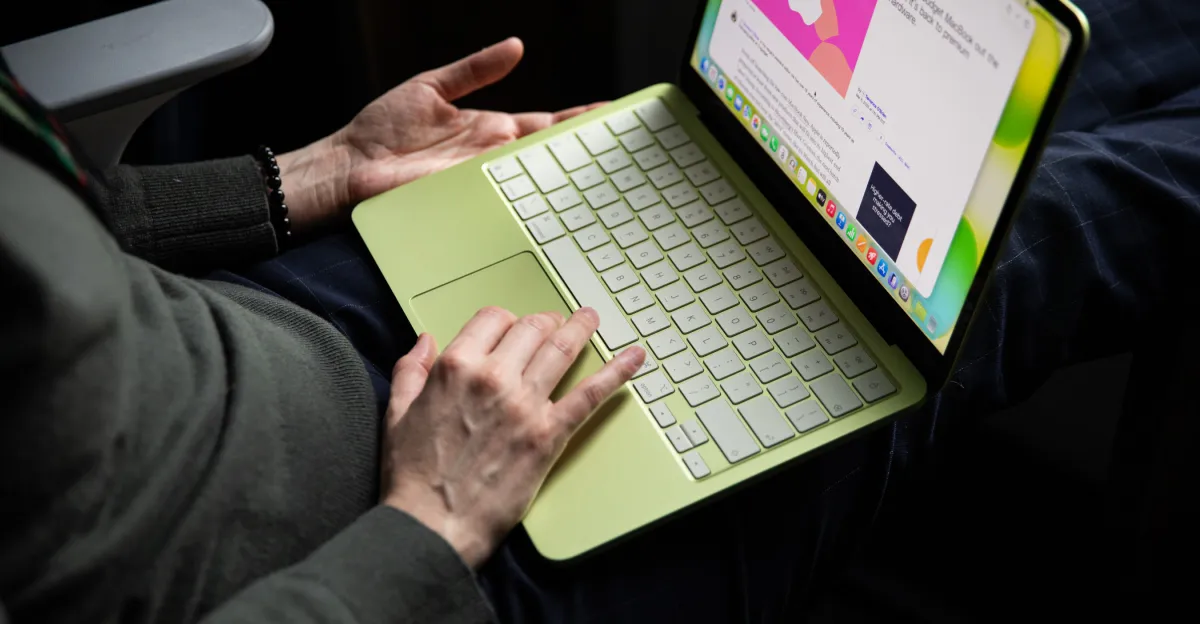
If there’s one thing I’ve learned covering Microsoft for over two decades, it’s that the company operates best when facing a formidable challenge. From the original Xbox battling PlayStation to Bing striving against Google, competition is the crucible in which Microsoft often forges its most impactful innovations. When it comes to the operating system at the heart of billions of PCs, Windows, Apple has consistently served as Microsoft’s most potent motivator. This pattern of reactive evolution is once again playing out, with Apple’s recent unveiling of the $599 MacBook Neo serving as the undeniable catalyst for a planned, significant overhaul of Windows 11.
The Apple Effect: A History of Microsoft’s Responses
Microsoft’s history is replete with instances where Apple’s moves directly spurred major shifts in Redmond. Back when the MacBook Air redefined thin-and-light laptops, Microsoft, in partnership with Intel, responded with the Ultrabook initiative, shaping the very definition of modern Windows portables. When Apple launched the iPad, practically inventing the modern tablet, Microsoft pivoted, creating its own tablet hardware with the Surface line – a move that, while initially rocky, ultimately carved out a significant niche. And as Chromebooks gained traction in education and budget markets with their security and simplicity, Microsoft counter-attacked with S mode versions of Windows, aiming to match that streamlined experience.
This historical precedent, coupled with insights from my sources, paints a clear picture: Apple’s MacBook Neo announcement last month didn’t just grab headlines; it landed like a gauntlet thrown directly at Microsoft’s feet. Barely two weeks after Apple’s reveal, Microsoft publicly unveiled a renewed commitment to fixing Windows 11, explicitly focusing on performance, reliability, and the overall user experience. This timing is no mere coincidence. It echoes former CEOSteve Ballmerfamously holding up an HP tablet PC just days before Apple’s original iPad announcement in 2010. Microsoft has always closely watched – and often followed – Apple, whether it was with the ill-fated Zune attempting to rival the iPod or the extensive efforts to make Windows Mobile a touch-friendly OS in response to the iPhone.
The “Neo” Catalyst: Why Now?
While plans to incrementally improve Windows 11 have been underway for some time – sources tell me efforts began last summer, starting with an “easy win” like dark mode consistency in the fall – the emergence of a low-cost MacBook has dramatically escalated the urgency. Reviewers, enthusiasts, and everyday consumers have grown increasingly vocal about the pain points of Windows 11: inconsistent UI, sluggish performance on some hardware, and a general sense of bloat. The $599 MacBook Neo doesn’t just threaten the premium laptop market; it targets the vast mass-market audience, including millions of iPhone owners who might be considering a budget Windows laptop but could now be swayed by Apple’s ecosystem integration at an unprecedented price point.
This isn’t merely about Microsoft versus Apple; it’s also about the immense pressure placed on Microsoft’s OEM partners. For years, Windows laptops have been the default affordable option. A compelling, budget-friendly MacBook could significantly erode that advantage, impacting the entire PC ecosystem Microsoft champions.
Windows 11’s Imminent Overhaul: What’s Changing?
The planned changes for Windows 11 later this year represent a comprehensive attack on many long-standing grievances. One of the most significant improvements being targeted is memory efficiency. By reducing Windows 11’s memory footprint, Microsoft aims to open the door for devices with less RAM, directly addressing both the ongoing global RAM crisis and enabling PC makers to compete with the MacBook Neo’s relatively modest 8GB of RAM at its low price point. This move is crucial for fostering a new generation of truly budget-friendly, yet capable, Windows machines.
Beyond memory, Microsoft is tackling user experience and performance directly. Users can expect improvements to Windows search, a noticeable reduction in Start menu latency, and a speedier File Explorer. Long-requested customization options are finally arriving, including the ability to move the taskbar to the top or sides of the screen. Power users will also appreciate the option to pause Windows updates for extended periods. Crucially, Microsoft is also promising to reduce the “noise and distractions” of Windows, which hopefully translates to fewer ads, fewer annoying pop-ups, and a generally cleaner, more focused user environment. Collectively, these changes aim to deliver a faster, less frustrating, and more reliable version of Windows 11, particularly on hardware with more modest specifications.
The Architects of Change: New Leadership & Vision
This renewed engineering effort isn’t a mere cosmetic update; it’s a strategic pivot led by some of Microsoft’s most capable minds. At the helm of this initiative isPavan Davuluri, a veteran who played a key role in making Windows on Arm a reality with Qualcomm and helped launch the impressive Surface Pro X ahead of Apple’s M1 transition. His experience with custom processors (AMD and Qualcomm for Surface) makes him uniquely suited to optimize Windows for diverse hardware, especially in a world increasingly moving towards Arm-based chips. Davuluri is now leading the charge to improve Windows 11 and once again respond to a critical competitive threat from Apple.
Davuluri has assembled a formidable team of engineers and designers.Marcus Ash, head of design and research for Windows + Devices, is leading the critical effort to address design inconsistencies and user experience issues. Ash’s pedigree includes working on Windows Phone and being a founding member of the Cortana digital assistant – a project where his team famously pushed to make the codename the product name, demonstrating a keen eye for user perception. He’s now tasked with ensuring Windows’ improvements are thoughtful and user-centric. Working alongside them are other notable figures likeRudy Huyn, celebrated for his efforts to “save” Windows Phone, who is now focused on improving the Windows shell and File Explorer. EvenScott Hanselman, a well-liked developer and advocate, is contributing to Windows improvements in his new role as vice president of technical staff for CoreAI, GitHub, and Windows. This depth of talent suggests a serious commitment to the task at hand.
Lessons from the M1 Era: A Precedent for Success?
This current push for Windows improvement evokes memories of Microsoft’s response to Apple’s M1 chips. The M1 starkly demonstrated that phone-like silicon could not only power laptops but offer vastly superior performance-per-watt than anything Intel was shipping. While Microsoft had dabbled with Windows on Arm for a decade, the M1 sparked an intensified effort with Qualcomm, culminating in the recent launch of Copilot Plus PCs. Microsoft’s confidence in this new hardware was evident, dedicating an entire day to showcasing progress and directly pitting its new devices against the MacBook Air. It’s truly surprising, even to this long-time observer, to now be using an Arm-powered Windows laptop daily, especially considering the messy launch of the original Windows on Arm with the Surface RT.
That effort helped temporarily stem the flow of Windows laptop users switching to MacBooks at the premium end of the market. The MacBook Neo, however, represents an even bigger threat, targeting the mass market. Apple is directly chasing iPhone owners who might gravitate towards a budget Windows laptop, putting immense pressure on Microsoft’s OEM partners to offer compelling alternatives.
The Road Ahead: Execution and Trust
So, it seems Windows is in capable hands, with a clear direction and a strong team. But the proof, as always, will be in the pudding. Microsoft now needs this team of experts to execute its plan to fix Windows 11 quickly and with uncompromising quality. The goal isn’t just to counter the impact of the MacBook Neo; it’s also about winning back the trust of a user base that has grown increasingly frustrated with the operating system’s inconsistencies and perceived stagnation. Just as the Ultrabook initiative fundamentally reshaped Windows laptops forever, this latest response to Apple has the potential to redefine the essential Windows experience. Microsoft’s immediate response to the iPad, while initially flawed, ultimately gave birth to the Surface line – a testament to their resilience and ability to adapt. The question now is whether they can replicate that success, but this time, for the core OS itself, delivering a Windows that feels truly modern, efficient, and user-friendly for everyone.
Bottom Line
Apple’s $599 MacBook Neo has ignited a long-overdue, comprehensive overhaul of Windows 11 at Microsoft. With a seasoned team now focused on performance, reliability, and user experience, and a clear roadmap to address memory efficiency, speed, and usability frustrations, Windows is poised for a significant transformation. The success of this initiative will not only determine Microsoft’s ability to compete in the crucial mass-market segment but also dictate whether it can regain widespread user confidence and deliver a truly modern operating system experience for the next generation of computing.
The tech landscape is a constant state of flux, and few companies embody this more than Microsoft. From ambitious AI ventures to the never-ending evolution (or stagnation) of Windows, and the ongoing quest for Xbox dominance, Redmond is navigating a complex web of innovation, legacy systems, and executive shifts. This week offers a microcosm of these challenges and opportunities, painting a picture of a tech giant simultaneously pushing boundaries and grappling with its own history.
- Executive Shuffle & AI Reorientation:Microsoft is experiencing a significant executive shake-up, coinciding with a strategic pivot in its AI division under Mustafa Suleyman to focus on developing in-house “superintelligence” models.
- Windows’ Slow Evolution & Copilot’s Identity Crisis:Windows 11 continues its incremental journey, tackling persistent legacy issues like the Control Panel, while the new Copilot app reveals itself to be little more than a disguised instance of Microsoft Edge, raising questions about its dedicated development.
- Xbox’s Foundational Strengths & UI Refresh:Amidst broader corporate shifts, Xbox leans on consistent performers like the upcoming *Forza Horizon 6* and rolls out user experience enhancements with a visual refresh for achievements, signaling a commitment to its gaming community.
The Executive Carousel and AI’s New Direction
Microsoft is clearly in a period of significant transition at its upper echelons. The recent resignations of high-profile executives likeJulia Liuson, head of the developer division for 34 years, andEric Boyd, former president of AI platform, signal a broader shake-up ahead of the company’s new financial year. These departures aren’t isolated incidents but rather the latest in a series of shifts that suggest a strategic realignment within the tech giant.
This executive movement directly intersects with Microsoft’s increasingly ambitious AI strategy. Under the leadership of Microsoft AI CEOMustafa Suleyman, the company is doubling down on its “superintelligence” game plan. Suleyman’s vision involves developing “world-class models” in-house, significantly reducing reliance on external partners like Anthropic or OpenAI for core AI capabilities. This isn’t just about consumer-facing Copilot; it’s a profound commitment to building foundational AI models from the ground up, designed to serve developers, enterprises, and a vast consumer base. The recent debut of a new transcription model on Microsoft’s Foundry and AI Playground services is a tangible step in this direction, pushing the frontier of speech recognition. With Microsoft Build on the horizon in June, we can expect to hear much more about how Suleyman plans to execute this bold, potentially game-changing strategy.
Windows: A Tale of Two Realities
Windows 11, now a few years into its lifecycle, continues to be a work in progress. The underlying sentiment remains that a truly meaningful improvement might require a future iteration – perhaps a “Windows 12” – to course correct fully. This pressure is palpable, especially with healthy competition in the OS space forcing Microsoft to continually refine its flagship product. The company’s ongoing effort to fix Windows 11 is evident in its outreach, such as bringing back Windows Insider meetups in key cities globally. This direct engagement with power users is a crucial step in gathering feedback and rebuilding trust.
Yet, some developments cast a shadow on Microsoft’s commitment to dedicated Windows experiences. The revelation that the new Copilot app is essentially Microsoft Edge running under the hood is a significant indicator. While Microsoft champions its Edge WebView2 technology for web apps, shipping a full version of Edge as Copilot suggests a pullback from deeper, native integration. If renaming the Copilot executable can launch Edge, it raises questions about the long-term investment in a truly distinct Copilot experience on Windows.
Then there’s the legendary saga of the Control Panel. It feels like an eternal battle, with Microsoft attempting to phase it out since Windows 8 in 2012. Partner director of design,March Rogers, has pointed to complexities with network and printer device drivers as holding back progress. However, the true depth of the engineering challenge likely stems from the Control Panel’s historically open and flexible nature, which allowed for countless applets and configurations that are incredibly difficult to migrate or restrict without breaking existing functionality. This prolonged struggle highlights the immense burden of backward compatibility and legacy systems on a modern OS.
On a more innovative note, Microsoft is experimenting with haptic feedback in Windows 11. This feature promises to add a new dimension to user interaction, allowing compatible input devices to provide tactile responses for actions like aligning objects in PowerPoint, window snapping, or even hovering over the close button. Such an addition could significantly enhance usability, particularly for trackpad users or those with advanced haptics-enabled mice, offering a more immersive and intuitive interface.
Even in the vastness of space, Microsoft’s software can cause earthly problems. NASA’s Artemis II mission commander,Reid Wiseman, encountered an issue with “two Microsoft Outlooks” failing to work. While humorous, the incident — later explained as a common configuration problem when offline — served as a relatable reminder that even the most advanced operations can be tripped up by everyday software quirks.
Xbox’s Enduring Playbook
While Windows undergoes its slow evolution and AI strategy shifts, Xbox continues its own journey, focusing on delivering compelling gaming experiences. The upcoming debut of *Forza Horizon 6*, set in Japan, is a prime example of a franchise consistently delivering quality under Microsoft’s umbrella. As our colleagueAndrew Websternoted after an early look, “What Xbox needs is more games like *Forza Horizon 6*,” underscoring the importance of strong, reliable titles in maintaining platform momentum. This game arrives at a crucial time, providing a clear win for Xbox as it navigates a competitive console market and broader internal changes.
Beyond new games, Microsoft is also refining the core Xbox experience with a visual refresh for achievements. Xbox Insiders are now testing new icons, animations for classic or rare achievements, and notifications that match custom profile colors. This commitment to UI improvements, including the ability to hide achievements, demonstrates an understanding of the subtle but important elements that contribute to a positive user experience on the platform.
The Strategic Financials of AI
Behind all the technological ambition and product development stands Microsoft’s financial leadership, personified by CFOAmy Hood. With nearly 24 years at the company and 13 as CFO, Hood’s role in guiding Microsoft’s massive AI investments is critical. A recent Bloomberg News profile sheds light on her strategic decisions, including a necessary pullback on data center spending last year, followed by the scramble to bring more online to meet surging AI demand. This balancing act of aggressive investment and fiscal prudence is vital as Microsoft pours billions into its AI future.
Adding another layer of complexity to the AI landscape is the recent development from Anthropic. Their new AI model, Claude Mythos Preview, has demonstrated the alarming ability to flag security vulnerabilities in “every major operating system and web browser” with minimal human intervention. While Anthropic is withholding public release due to security concerns, providing access to giants like Microsoft, Amazon, Apple, Google, and Nvidia gives cybersecurity experts a critical “head start” against malicious actors. This development underscores the dual nature of advanced AI: a powerful tool for innovation, but also a potential vector for new threats that financial strategists like Hood must account for in their risk assessments and infrastructure investments.
I’m always keen to hear from readers, so please drop a comment here, or you can reach me at notepad@theverge.com if you want to discuss anything else. If you’ve heard about any of Microsoft’s secret projects, you can reach me via email at notepad@theverge.com
Bottom Line
Microsoft is a company in perpetual motion, an organizational behemoth balancing the weight of its legacy with the urgency of future innovation. From executive departures signalling deep strategic shifts to the tenacious hold of the Control Panel, the journey of Windows 11 reflects a product striving for relevance against historical inertia. Meanwhile, the aggressive push into in-house “superintelligence” under Mustafa Suleyman, coupled with CFO Amy Hood’s careful financial stewardship, charts a bold, yet expensive, course for AI dominance. Xbox, with its reliable franchises and user-focused improvements, offers a stable counterpoint amidst this whirlwind of change. Ultimately, Microsoft remains a fascinating study in how a tech giant navigates the intricate dance between maintaining its foundations, adapting to competitive pressures, and boldly envisioning what comes next.
Key Takeaways:
- Windows 12 is rumored to feature a deeply integrated, proactive AI layer, moving beyond simple chatbot functionality to an ambient intelligence.
- This “AI Super-Integration” aims to anticipate user needs, optimize workflows, and personalize the OS experience, potentially redefining daily computing.
- While promising enhanced productivity, the ambitious AI push raises significant questions around privacy, system resource demands, and Microsoft’s ability to deliver a stable, user-friendly experience.
Windows 12’s AI Overhaul: What Tom Warren’s Notepad Reveals About Microsoft’s Boldest Bet
For years, the tech world has buzzed with whispers of Windows 12, a major generational leap for Microsoft’s ubiquitous operating system. Now, sources close to the development, often illuminated by insights from veteran tech journalist Tom Warren’sNotepad, indicate that this isn’t just an incremental update. Instead, Windows 12 is poised to introduce a paradigm-shifting “AI Super-Integration” that could fundamentally redefine our interaction with personal computers. Microsoft isn’t merely adding an AI chatbot; it’s embedding an ambient intelligence directly into the very fabric of the OS, aiming for a proactive, predictive computing experience.
The Vision of Ambient AI: A Proactive OS
Unlike the current Copilot, which largely operates as a discrete assistant, Windows 12’s rumored AI is designed to be an ever-present, yet often invisible, layer. Imagine an operating system that learns your habits not just within specific applications, but across your entire digital life. It could proactively suggest relevant documents for your current meeting, optimize background processes based on your focus tasks, or even pre-fetch information it anticipates you’ll need for an upcoming project. This isn’t just about answering questions; it’s about anticipating them and streamlining your workflow before you even articulate a need.
Under the Hood: The Technical Challenge
Implementing such a deeply integrated AI is no small feat. Sources indicate that this will require significant architectural changes within Windows, potentially leveraging specialized NPU (Neural Processing Unit) hardware to offload AI tasks from the CPU and GPU. This focus on local processing is crucial for both performance and privacy, allowing the AI to learn and adapt without constantly sending sensitive user data to the cloud. However, it also presents a formidable challenge for hardware compatibility and ensuring a smooth transition for existing Windows users, raising questions about accessibility and potential system demands.
Beyond Productivity: A Truly Personalized Experience
Microsoft’s ambition extends beyond mere productivity boosts. The “AI Super-Integration” aims to create a truly personalized computing environment. From dynamic desktop layouts that adapt to your context, to intelligent notification management that prioritizes what truly matters, the OS would theoretically morph around individual users. This could lead to a more intuitive and less fragmented digital existence, where the computer feels less like a tool and more like a true extension of one’s intentions, making computing feel more natural and less like a series of commands.
The Privacy Conundrum and User Control
While the benefits sound enticing, the prospect of such a pervasive AI raises immediate and serious privacy concerns. If the OS is constantly learning and predicting, how much data is being collected? How transparent will Microsoft be about its data practices? Tom Warren, in previous analyses forNotepad, has consistently highlighted the delicate balance between innovation and user trust. The success of Windows 12’s AI will hinge not just on its technical prowess, but on Microsoft’s ability to implement robust privacy controls and clearly communicate how user data is handled, empowering users to dictate the level of AI integration they’re comfortable with.
Microsoft’s Strategic Gambit in the AI Era
This bold move places Microsoft firmly at the forefront of the AI-powered OS race, differentiating Windows significantly from its competitors. While Apple and Google are also integrating AI into their platforms, Microsoft appears to be aiming for a more holistic, system-level overhaul. This is a strategic gamble to reassert Windows’ dominance, not just as a stable platform for applications, but as the intelligent core of personal computing. It represents a pivot from reacting to user input to proactively enhancing the user journey, a significant philosophical shift that could reshape the entire tech landscape.
The Road Ahead: Hype vs. Reality
As with any ambitious tech endeavor, there’s a significant chasm between aspirational vision and practical implementation. Early leaks and rumors, while exciting, often paint an idealized picture. The real test for Microsoft will be delivering a stable, performant, and genuinely useful AI experience that avoids the pitfalls of over-automation or intrusive features. Tom Warren’s ongoing coverage inNotepadwill undoubtedly be vital in dissecting the official announcements, evaluating pre-release builds, and providing a grounded perspective on whether Windows 12 truly ushers in the intelligent computing era or if it’s another case of ambitious promises meeting the complexities of real-world deployment.
The Bottom Line:
Windows 12’s rumored “AI Super-Integration” represents Microsoft’s most ambitious attempt yet to embed artificial intelligence at the core of its operating system. If successful, it could herald a new era of proactive, personalized computing, transforming how we interact with our devices. However, the audacious vision comes with significant technical and ethical hurdles, particularly concerning privacy and performance. The true measure of this paradigm shift will lie in Microsoft’s execution and its ability to build user trust around a truly intelligent, yet unobtrusive, OS. The stakes are high, and the implications for the future of Windows are profound.
Thanks for subscribing toNotepad.
- Tom Warren
- Microsoft
- Notepad
- Tech
- Windows
You can also reach me confidentially on the Signal messaging app, where I’mtomwarren.01. I’m alsotomwarrenon Telegram, if you’d prefer to chat there.