
Key Takeaways:
- Curated Discovery Arrives:Mastodon is launching “Collections,” a new feature enabling users to create and share lists of up to 25 accounts, designed to significantly improve content and account discovery across the decentralized fediverse.
- Lessons Learned from Bluesky:Drawing inspiration from Bluesky’s “Starter Packs,” Mastodon has deliberately excluded a “Follow All” button from Collections, focusing on thoughtful curation to prevent “stale feeds” and enhance the quality of user interactions.
- Empowering Users and Communities:Collections emphasizes user control with opt-out options, notifications, and reporting mechanisms. Its phased rollout prioritizes community-led creation to build a critical mass of valuable lists before broader discovery features are implemented, with future plans to integrate recommendations into server onboarding.
Mastodon Unveils “Collections”: A Strategic Leap for Discovery in the Fediverse
In a significant stride to enhance user experience and address one of the long-standing challenges of decentralized social media, Mastodon is gearing up to roll out “Collections.” This anticipated feature, set to debut in the coming weeks, will empower users to curate and share lists of accounts, fundamentally altering how individuals navigate and discover content within the vast and varied landscape of the fediverse. The announcement, made on Thursday, positions Collections as a direct answer to the often-cited difficulty of finding relevant accounts on a platform without a centralized algorithm or traditional recommendation engine.
The Mechanics of Curation: Building Your Network Intentionally
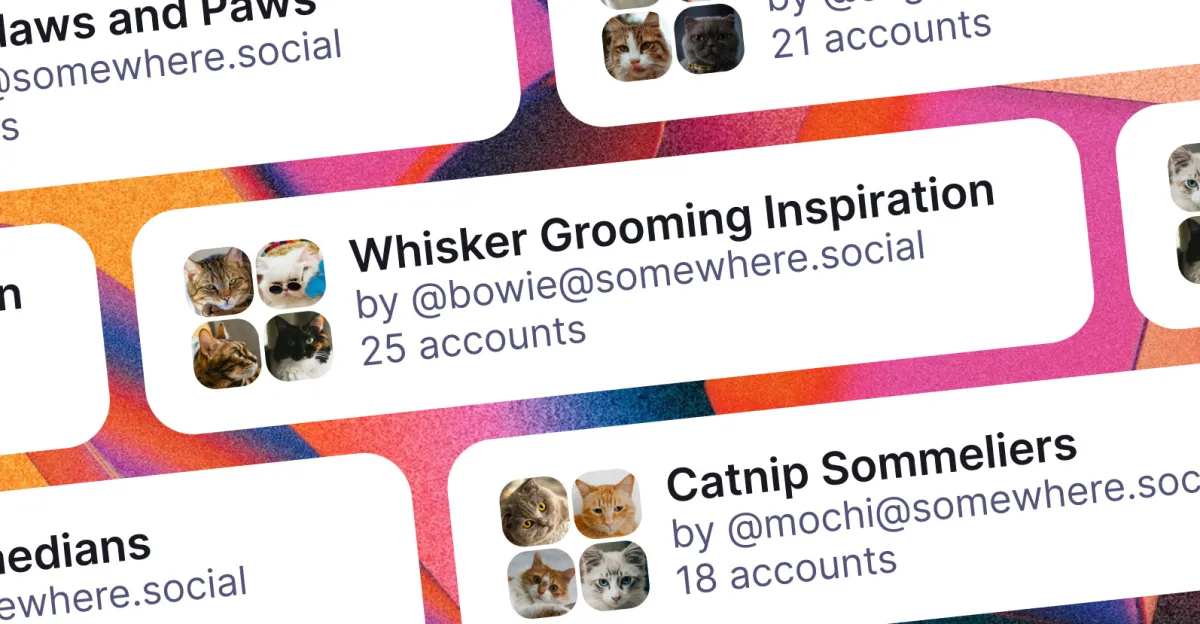
At its core, Collections allows any user on a participating server to create a themed list of up to 25 accounts. Each Collection can be accompanied by a short description and a relevant topic, providing crucial context for potential followers. This granular control over list creation suggests a focus on quality and thematic relevance, rather than simply compiling large, undifferentiated groups of profiles. For instances where a Collection might contain sensitive content or accounts, creators will have the option to mark it as “sensitive,” effectively hiding the description and accounts behind a content warning – a familiar moderation tool within the Mastodon ecosystem, reinforcing its commitment to user safety and control.
Beyond creation, the feature prioritizes user autonomy and privacy. Individuals will receive a notification if their account is added to a Collection, ensuring transparency. Critically, Mastodon has incorporated an opt-out mechanism, allowing users to prevent their profile from appearing in anyone’s list – a privacy-focused decision that aligns perfectly with the platform’s user-centric ethos. Additionally, the ability to report a Collection ensures community moderation remains a cornerstone of the experience, helping to maintain a healthy and respectful environment and prevent misuse of the feature.
Learning from the Landscape: Bluesky’s Influence and Mastodon’s Measured Approach
Mastodon’s head of design, Imani Joy, explicitly states that Collections takes inspiration from Bluesky’s “Starter Packs.” However, this inspiration comes with a crucial distinction: a deliberate absence of a “Follow All” button. Joy revealed, “We read feedback that people on Bluesky often found themselves mass following accounts from stale Starter Packs, only to have a subpar feed afterwards.” This insight underscores Mastodon’s commitment to thoughtful design, opting for a more curated and less impulsive following experience. The “stale Starter Pack” phenomenon on Bluesky often led to users subscribing to outdated lists, resulting in irrelevant content flooding their feeds and potentially driving disengagement. By requiring users to individually select accounts from a Collection, Mastodon aims to foster more intentional connections and a higher quality, more relevant feed experience, mitigating a common pitfall observed on similar platforms.
This strategic decision reflects a deeper understanding of user behavior on decentralized platforms. While the allure of instant community can be strong, Mastodon’s developers recognize that genuine engagement stems from relevant, personalized feeds built through intentional choices. By mitigating the potential for mass-following errors, Collections positions itself as a tool for genuine, high-quality discovery rather than a shortcut that could lead to user dissatisfaction and churn. This nuanced approach highlights Mastodon’s maturity in observing and learning from the broader social media landscape, adapting features to fit its unique federated model.
Strategic Rollout and the Future Vision for Discovery
The rollout of Collections will be phased, beginning with the mastodon.social server in the coming week, ahead of its broader launch with Mastodon 4.6. This gradual introduction allows for real-world testing and iterative improvements based on user feedback before a wider deployment across the fediverse. Interestingly, the platform’s initial focus will be on thecreationof Collections rather than immediate widespread discovery. Imani Joy elaborated on this strategy, stating that the “number of community-created Collections needs to hit a critical mass before certain discovery experiences become impactful.” This patient, community-first approach aims to organically build a robust library of quality lists, ensuring that when more robust discovery features eventually arrive, there will be ample valuable content for users to explore.
Looking ahead, Mastodon envisions Collections playing a pivotal role in the onboarding process for new users. The platform aims to give server owners the ability to recommend Collections during sign-up, effectively replacing the current, often generic, recommended accounts feature. This personalized onboarding could significantly lower the barrier to entry for newcomers, helping them quickly find relevant communities and interests within their chosen server and across the broader fediverse. By empowering server administrators to curate initial experiences, Mastodon reinforces its decentralized nature while simultaneously making it more accessible and intuitive for a wider audience.
Why This Matters for the Fediverse’s Evolution
The introduction of Collections is more than just a new feature; it represents a significant step forward in addressing the inherent challenges of decentralized social media. Unlike centralized platforms with powerful, opaque algorithms dictating what users see, the fediverse relies heavily on individual initiative and community curation for discovery. While this fosters independence and resilience, it can also lead to a steeper learning curve for new users trying to find their niche and establish their initial network.
Collections provides a structured, user-friendly mechanism for this essential curation. It empowers existing community members to act as guides, sharing their knowledge and helping others navigate the diverse interests and vibrant communities available. This bottom-up approach to discovery is perfectly aligned with the fediverse’s ethos, ensuring that recommendations are driven by human insight and community values rather than algorithms that can be manipulated or lead to echo chambers. It also has the potential to foster more robust and visible niche communities, making them more accessible to like-minded individuals. For content creators, being included in a well-regarded Collection could provide a significant boost in visibility and followers, akin to a human-powered recommendation engine, further enriching the fediverse’s content ecosystem.
Bottom Line:
Mastodon’s Collections feature is a thoughtful and strategic addition designed to tackle the critical issue of account discovery in the decentralized fediverse. By carefully learning from the experiences of other platforms like Bluesky and prioritizing user control and community-led curation, Mastodon is paving the way for a more accessible, personalized, and engaging user experience. This feature not only empowers users to guide each other through the vast network but also signals Mastodon’s continued commitment to evolving its platform while staying true to its core values of decentralization and user autonomy, setting a new standard for how communities can organically thrive online and effectively onboard new members into its unique ecosystem.
{content}
Source:{feed_title}