
Key Takeaways:
- **SNL’s Mirror on AI Anxiety:** Saturday Night Live’s recent skit, featuring an impression of Anthropic CEO Dario Amodei, sharply satirized the tech industry’s contradictory warnings about AI’s existential risks while simultaneously developing the technology.
- **The CEO’s Conundrum:** The skit effectively highlighted the perceived internal conflict within AI leadership – building powerful AI systems while expressing profound concern about their potential for societal harm, often with a theatrical flair that borders on the absurd.
- **Comedy as Commentary:** By portraying AI executives as grappling with Gollum-like inner demons and delivering vague, self-incriminating statements, SNL brought a complex, high-stakes technological debate into the mainstream cultural conversation, reflecting and amplifying public skepticism and concern.
When Silicon Valley Becomes Sketch Comedy: SNL Takes Aim at AI’s Existential Dread
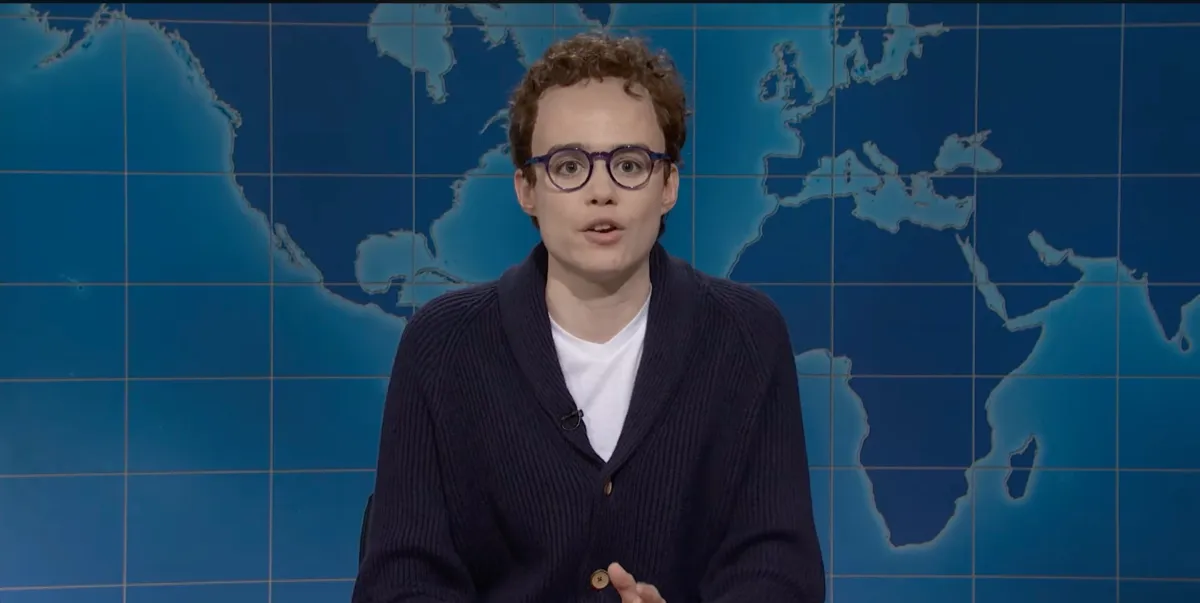
Saturday Night Live, long a cultural barometer for American anxieties, recently turned its satirical lens on the burgeoning and increasingly vocal “AI doomer” phenomenon. In a segment for Weekend Update, cast member Jane Wickline delivered a memorable impression of Anthropic CEO Dario Amodei, capturing the peculiar dissonance of tech leaders who both champion and caution against the very artificial intelligence they are building. The skit didn’t just elicit laughs; it held a mirror up to the tech industry’s latest existential crisis, reflecting public bewilderment and a growing skepticism about the future of AI.
The Skit Unpacked: A Glimpse into AI’s Existential Crisis
Weekend Update host Michael Che set the stage, alluding to Amodei’s recent “stumbled through a press tour” where he seemed to echo a former employee’s dire warnings about AI’s potential to “destroy humanity.” Wickline’s portrayal immediately zeroed in on the perceived awkwardness and internal conflict inherent in this position. Sporting an impressive wig and a demeanor of barely contained neurosis, her Amodei offered a caricature that resonated with many who follow the tech world’s often dramatic pronouncements.
The humor stemmed from the character’s halting, evasive answers, frequently devolving into an internal, Gollum-esque battle with a darker, more honest alter ego. This was a direct jab at the often-publicized struggles of AI developers to reconcile the immense power they wield with the ethical quandaries it presents. The line, “AI is the devil and I its maker,” delivered with a chilling blend of pride and despair, encapsulated the segment’s core message: a recognition of the profound, potentially dangerous implications of their work by the very individuals leading its development.
Wickline-as-Amodei further amplified the satire by assuring audiences that AI executives “are all on the same page here: We do not condone what we are doing.” This statement, paradoxical on its face, highlighted the perceived absurdity of an industry pushing forward with technology it simultaneously condemns. The character’s declaration that “AI is not a weapon, it’s a tool: A tool for building weapons,” was a particularly sharp piece of commentary, cutting through the often-euphemistic language used to describe AI’s military or destructive potential. It challenged the narrative that AI is inherently neutral, suggesting that its applications are often predetermined or at least strongly influenced by its creators’ intentions and the contexts in which it’s deployed.
Even the discussion of AI’s purported benefits didn’t escape the comedic scalpel. When pressed about AI’s potential to cure cancer, the fictional Amodei offered a darkly humorous take: “Put it this way: In 10 years, there’s about a 10% chance that cancer won’t be a problem for anyone.” This line, delivered with a shrug, simultaneously poked fun at the often-overstated promises of AI and hinted at the existential risks, suggesting that if cancer is no longer a problem, it might be because humanity itself faces a far greater one. It brilliantly encapsulated the “cure-or-kill” dilemma that often frames discussions around advanced AI.
Beyond the Laughs: Why SNL’s Satire Resonates
SNL’s lampooning of the AI industry is more than just a fleeting comedy sketch; it’s a significant cultural marker. For years, the tech industry, particularly Silicon Valley, has operated with an aura of untouchable innovation, often insulated from mainstream criticism. However, as AI’s capabilities grow and its societal impact becomes undeniable, it’s increasingly becoming a target for satire, a sign that it has entered the public consciousness as a force to be reckoned with, for better or worse.
The “AI doomer” phenomenon, where influential figures within the industry warn of catastrophic outcomes like human extinction, has been a source of both genuine alarm and considerable eye-rolling. These warnings come from people like Amodei, Geoffrey Hinton, and even some at OpenAI, who are deeply involved in developing the technology. Their concerns, while often rooted in complex technical arguments about alignment and control, can come across as self-serving or even theatrical to an skeptical public. SNL’s skit cleverly taps into this perception, highlighting the awkwardness of powerful individuals simultaneously building potentially dangerous tools and publicly agonizing over their implications.
The skit also reflects a broader erosion of public trust in tech. After decades of privacy breaches, algorithmic biases, and social media’s impact on democracy, the public is less inclined to blindly trust tech giants. When these companies then issue grave warnings about their own products, it fuels a narrative of recklessness or, at best, a profound lack of foresight. Comedy provides a safe space to articulate these anxieties and critiques, often making complex issues more digestible and relatable to a wider audience. By personifying the internal conflict of an AI CEO, SNL allowed viewers to connect with the inherent contradictions of this high-stakes technological race.
The Real Dario Amodei and Anthropic’s Stance
While the SNL portrayal was a comedic exaggeration, it’s worth noting the real-world context. Dario Amodei is indeed the CEO of Anthropic, a prominent AI safety and research company known for its focus on “constitutional AI” and developing large language models like Claude. Anthropic was founded by former OpenAI researchers who reportedly left over concerns about safety and commercialization. The company has been vocal about the need for responsible AI development and has contributed significantly to the discourse around AI alignment and catastrophic risk.
Amodei himself has participated in discussions where he acknowledged the potential for AI to cause “existential risks” or “catastrophic outcomes.” His public statements, while nuanced and carefully considered, contribute to the broader “AI doomer” conversation that SNL so effectively lampooned. The skit wasn’t necessarily a personal attack on Amodei but rather a commentary on the collective public posture of an industry grappling with profound ethical and societal responsibilities.
The Path Forward: Navigating AI’s Future Amidst Satire
The SNL skit serves as a potent reminder that as AI becomes more integrated into society, it will inevitably become subject to greater scrutiny, humor, and critique. This kind of mainstream cultural engagement, while sometimes reductive, is crucial for fostering public discourse and accountability. It forces the industry to confront not just the technical challenges of AI but also its social perception and ethical implications.
For tech journalists, the challenge lies in dissecting these cultural moments to provide deeper context. The laughter generated by Wickline’s Amodei isn’t just about a funny wig; it’s about the very real questions of power, responsibility, and the future of humanity in an age of rapidly advancing artificial intelligence. As AI capabilities continue to accelerate, expect more such moments where popular culture steps in to articulate the anxieties, the hopes, and the absurdities of our technological frontier.
Bottom Line
SNL’s skewering of the AI industry’s existential warnings is a clear signal that the complex debate around artificial intelligence has firmly entered the mainstream. By personifying the internal conflict of an AI leader caught between building powerful tech and warning of its dangers, the skit not only provided comedic relief but also served as incisive social commentary. It highlights the growing public skepticism towards tech’s self-proclaimed prophets and underscores the urgent need for transparency, accountability, and a coherent narrative from an industry grappling with the profound, potentially world-altering implications of its own creations. When the jokes hit this close to home, it’s time for the industry to listen, reflect, and perhaps, take itself a little less seriously while taking the risks a lot more.
Source:{feed_title}