
Superhuman Fortifies AI Defense: Acquires GPTZero in a Landmark Deal
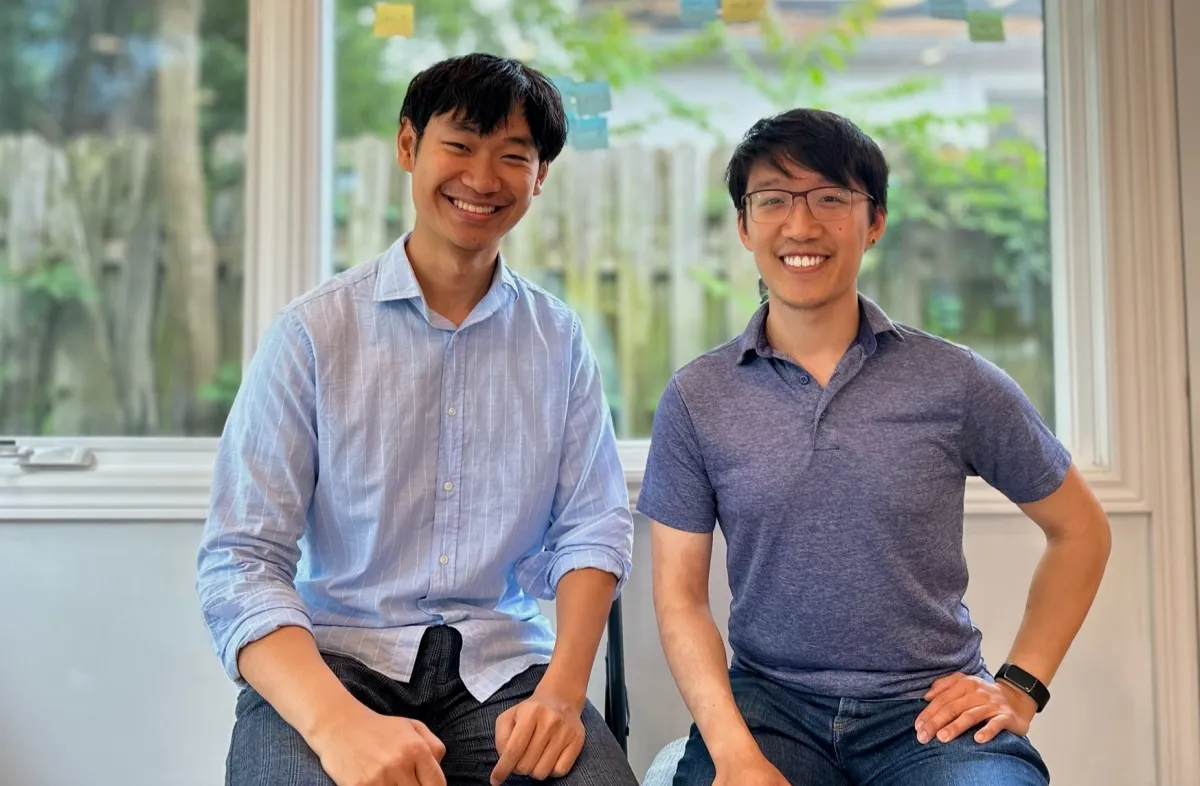
GPTZero, the three-year-old AI detection startup that Princeton grad Edward Tian first built as a senior thesis project, has been acquired by Superhuman, the companies announced on Tuesday.
Key Takeaways
- AI detection leader GPTZero, founded by Edward Tian, has been acquired by Superhuman (the rebranded entity of Grammarly following its acquisition of the email provider).
- GPTZero demonstrated impressive growth, amassing over 19 million registered users and achieving $30 million in annual recurring revenue, reaching profitability on a lean $13.5 million in total funding.
- The strategic acquisition underscores Superhuman’s deep commitment to combating AI-generated content challenges by integrating GPTZero’s advanced detection capabilities with its existing tools, signaling a robust defense strategy in the evolving digital landscape.
In a move poised to reshape the landscape of AI content verification, Superhuman, the unified entity born from Grammarly’s acquisition of the eponymous email provider, has announced its acquisition of GPTZero. The three-year-old startup, a brainchild of Princeton graduate Edward Tian, emerged from a senior thesis project to become a significant player in detecting AI-generated text. While the financial terms of the deal remain undisclosed, the acquisition brings together two prominent forces dedicated to ensuring the integrity and authenticity of digital communication in an era increasingly saturated with synthetic content.
GPTZero’s Meteoric Rise: From Thesis to Acquisition
GPTZero’s journey from an academic endeavor to a multi-million-dollar acquisition is a testament to the urgent need for tools that can distinguish human creativity from machine replication. Edward Tian, alongside co-founder and high school friend CTO Alex Cui, launched GPTZero in response to the proliferation of powerful large language models (LLMs) like ChatGPT, which introduced new challenges in academic integrity and content authenticity. What started as a proof-of-concept quickly gained traction, culminating in a user base exceeding 19 million registered users and an impressive $30 million in annual recurring revenue (ARR).
Remarkably, GPTZero achieved profitability in 2024, a significant milestone given the competitive and capital-intensive nature of the tech industry. The company managed this feat on a relatively modest total funding of $13.5 million, raised across a $3.5 million seed round led by Uncork Capital and a $10 million Series A in June 2024. This later round saw participation from notable investors including Footwork co-founder Nikhil Basu Trivedi, Reach Capital, Jack Altman’s Alt Capital, and Neo. This efficient use of capital and rapid scaling underscored the market’s demand for its core mission: to help humans detect and defend against what Tian often refers to as “AI slop” – the deluge of low-quality, AI-generated content.
Superhuman’s Evolving Vision: Doubling Down on AI Integrity
The acquirer, Superhuman, represents a strategic evolution in itself. It was formed when the renowned writing assistant Grammarly acquired the high-efficiency email provider Superhuman last year and subsequently rebranded under the Superhuman name. Grammarly, with its roots in grammar correction and writing enhancement, had already ventured into AI detection. Its existing tool was designed primarily to assist users, particularly students, in identifying whether their writing exhibited characteristics of AI generation, offering suggestions for revision to ensure authenticity and originality.
The decision to acquire GPTZero, a direct competitor, might seem counterintuitive at first glance. However, Superhuman’s rationale is clear: “two AI detectors are better than one.” This statement hints at a multi-faceted strategy. It could imply a desire to combine different detection methodologies, expanding the breadth and accuracy of their verification capabilities. GPTZero’s expertise might cater to a broader range of use cases, from academic institutions battling plagiarism to media organizations combating misinformation, complementing Grammarly’s focus on individual writing refinement. This acquisition positions Superhuman not just as a tool for better writing, but as a comprehensive platform for content integrity in the age of generative AI.
The Expanding Frontier of AI Detection
The rise of generative AI has created an unprecedented demand for robust detection tools. From classrooms grappling with AI-assisted cheating to online platforms struggling with synthetic content, the need for reliable verification is paramount. However, the field of AI detection is complex and constantly evolving. Critics often point to the challenges of false positives, the ease with which AI-generated text can be slightly altered to bypass detectors, and the ethical implications of labeling content as “AI-generated” potentially incorrectly.
Despite these challenges, the market for AI detection remains vibrant, driven by the imperative to maintain trust and credibility in digital content. Companies like GPTZero have invested heavily in developing sophisticated algorithms that analyze linguistic patterns, statistical anomalies, and contextual clues to infer the origin of text. This acquisition by Superhuman suggests a belief that dedicated, specialized AI detection capabilities, rather than being a peripheral feature, are becoming a core component of any platform committed to fostering genuine human communication and creation.
Synergies and the Path Forward
The integration of GPTZero’s technology into Superhuman’s ecosystem presents exciting opportunities. It could lead to a more comprehensive suite of tools that not only helps users write better but also empowers them to verify the authenticity of content they encounter or produce. Imagine a seamless experience where a student can draft an essay, ensure its originality with Grammarly’s existing tools, and then double-check its integrity against a wider array of AI models powered by GPTZero’s engine. For professionals, this could mean enhanced trust in communications and content creation workflows.
The acquisition also signals a maturing market for AI detection. Instead of remaining standalone niche products, these technologies are increasingly being integrated into broader platforms that aim to enhance productivity, communication, and content quality. For GPTZero’s team, including Tian and Cui, joining Superhuman offers the resources and reach of a larger organization, potentially accelerating their mission and expanding their impact. The future could see Superhuman offering tiered AI detection services, catering to different levels of scrutiny and user needs, from casual verification to enterprise-grade content audits.
The Bottom Line
Superhuman’s acquisition of GPTZero is more than just a corporate transaction; it’s a powerful affirmation of the critical role AI detection plays in our increasingly AI-driven world. By bringing GPTZero’s proven technology and user base under its wing, Superhuman is strategically positioning itself as a leader in fostering digital integrity and authenticity. This move not only strengthens its product offering but also underscores a broader industry trend: the essential need for sophisticated tools to navigate the complexities of AI-generated content, ensuring that human ingenuity and trust remain at the forefront of digital communication.