
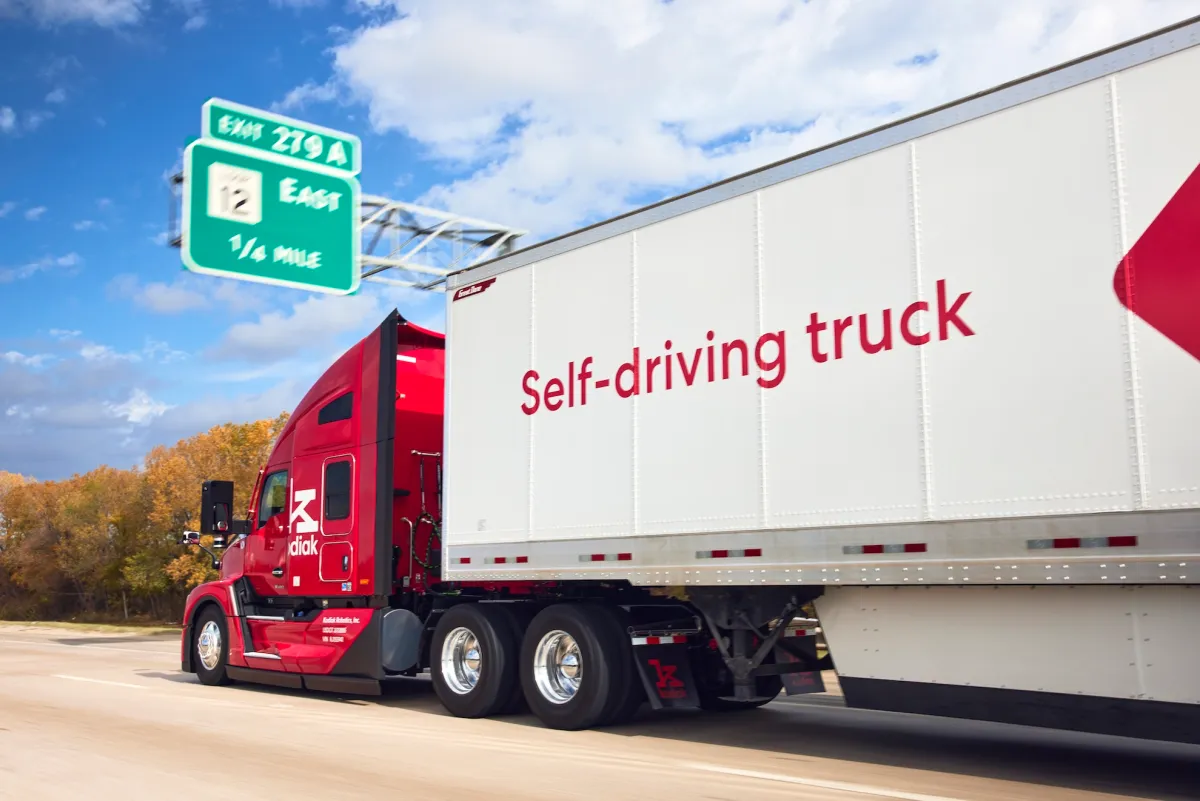
California’s highways are now open for autonomous heavy-duty truck testing, with industry leaders Aurora Innovation and Kodiak AI securing the inaugural permits under updated state regulations.
Key Takeaways:
- California’s DMV has issued permits to Aurora Innovation and Kodiak AI, allowing testing of self-driving heavy-duty trucks on public roads, a significant shift for the industry.
- This regulatory update enables California-based AV companies to expand operations into their home state, complementing existing commercial routes in Texas and other regions.
- The expansion faces strong opposition, highlighted by a Teamsters California lawsuit challenging the DMV’s permit process on grounds of economic impact and public safety.
California Unlocks Its Highways for Autonomous Truck Testing
The Golden State has officially opened its roads to the future of logistics, issuing permits to two prominent players in the autonomous trucking space: Aurora Innovation and Kodiak AI. This landmark decision by the California Department of Motor Vehicles (DMV) allows these companies to test their self-driving heavy-duty truck technology on public roads, a move that could significantly accelerate the development and deployment of autonomous freight transport. Kodiak AI wasted no time, announcing it has already commenced testing with a select fleet around its Mountain View headquarters.
For years, California, a global hub for autonomous vehicle innovation, maintained a restrictive stance on self-driving trucks weighing over 10,000 pounds. This changed dramatically on April 28th, when the DMV approved updated rules. These new regulations not only lifted the ban but also established a clear regulatory pathway for companies to test, and eventually deploy, autonomous heavy-duty vehicles. The shift represents a crucial step for an industry poised to revolutionize the supply chain, promising increased efficiency, enhanced safety, and potentially reduced costs across the transportation sector.
Navigating the New Rules: Safety and Operational Criteria
Securing these coveted permits was no easy feat. Both Kodiak and Aurora underwent rigorous evaluation, successfully meeting the DMV’s stringent permitting criteria. This included demonstrating robust safety protocols, securing comprehensive insurance coverage, ensuring proper vehicle registration, and qualifying their human safety drivers to intervene when necessary. The permits, while groundbreaking, come with specific operational parameters designed to ensure public safety as this nascent technology integrates with existing traffic:
- A human safety operator must remain behind the wheel at all times, ready to take control if the autonomous system encounters an unexpected scenario or fails.
- Testing is prohibited on roads where the posted speed limit is 25 miles per hour or less, unless it forms a “direct route” between destinations, focusing initial tests on higher-speed highways.
These restrictions underscore the cautious approach California is taking, prioritizing safety as this transformative technology transitions from controlled environments to bustling public highways. They reflect a recognition of the significant responsibility involved in introducing autonomous vehicles, especially large commercial trucks, into public circulation, aiming to build trust and gather essential real-world data under supervised conditions.
The Home-State Advantage: A Strategic Shift from Texas
While California is a hotbed of tech innovation, its previous ban on heavy-duty autonomous truck testing forced homegrown companies like Aurora and Kodiak to look elsewhere for real-world development. Texas, with its more permissive regulatory environment and vast, truck-friendly highway network, emerged as a primary proving ground. Both companies established significant operations there, accumulating millions of miles of valuable data and refining their autonomous driving systems in diverse conditions.
Aurora, for instance, has been a trailblazer in commercializing its autonomous trucking service in Texas. Starting in May 2023, it launched its Dallas-to-Houston route, quickly expanding its network to include vital corridors such as Fort Worth-El Paso, El Paso-Phoenix, Fort Worth-Phoenix, and Laredo-Dallas. These routes demonstrate the company’s focus on long-haul logistics, aiming to address the chronic driver shortage and improve freight efficiency through its “Aurora Driver” technology. Kodiak similarly initiated driverless truck operations in January 2023 within the remote Permian Basin, an off-road environment in West Texas, before expanding to on-highway routes like Dallas-Houston, proving its “Kodiak Driver” capabilities in challenging operational scenarios.
The California permits, therefore, represent a strategic homecoming. Testing in their home state allows these companies to streamline operations, reduce logistical overhead, and leverage their local talent pools more effectively. It also signals California’s intent to remain at the forefront of autonomous vehicle technology, ensuring its innovators can develop and deploy within its borders, fostering an ecosystem of innovation right where these companies were founded.
Facing the Headwinds: Opposition and Legal Challenges
Despite the technological advancements and regulatory breakthroughs, the path for autonomous trucks is far from clear. The prospect of self-driving heavy-duty vehicles on California’s highways continues to fuel strong opposition, particularly from organized labor groups. Last week, Teamsters California filed a lawsuit against the state’s DMV in the Superior Court in Alameda County, arguing that the agency circumvented established laws in its rush to greenlight autonomous trucking.
The lawsuit alleges two primary failures on the part of the DMV:
- **Lack of Economic Impact Study:** The Teamsters contend that the DMV failed to study and publicly disclose the potential economic impacts of allowing self-driving trucks, particularly concerning job displacement for human drivers. This concern is central to labor’s argument, highlighting fears of mass unemployment in the trucking sector, which currently employs millions. The union asserts that such a significant policy shift requires a thorough assessment of its societal consequences.
- **Unconsidered Safety Risks:** The suit also accuses the DMV of not adequately considering the safety risks to motorists that autonomous heavy-duty trucks might pose. Critics argue that while AV developers tout safety benefits stemming from reduced human error, the technology is still in its nascent stages, and introducing large, potentially driverless vehicles could lead to unforeseen dangers or complex accident scenarios that current regulations do not fully address.
This legal challenge underscores a broader societal debate surrounding autonomous technology – balancing innovation and economic progress with job security and public safety. The outcome of this lawsuit could have significant implications, potentially delaying deployment or imposing further restrictions on autonomous trucking in California and beyond, serving as a precedent for other states grappling with similar issues.
The Road Ahead: Innovation, Integration, and Societal Impact
The permitting of autonomous heavy-duty truck testing in California is more than just a regulatory update; it’s a pivotal moment for the future of freight. As technology rapidly advances, autonomous trucks promise a host of benefits, from mitigating the persistent driver shortage and improving road safety through AI-driven precision, to enhancing supply chain efficiency and potentially reducing fuel consumption and emissions. These vehicles are designed to operate continuously, optimizing routes and schedules in ways human drivers cannot always achieve.
Companies like Aurora and Kodiak are at the vanguard, not just developing the technology but also working to integrate it seamlessly into existing logistics networks. Their testing will generate invaluable data, refine their systems, and build public trust in the capabilities and safety of autonomous vehicles. Yet, the journey requires careful navigation of stakeholder concerns, from labor unions advocating for their members to commuters sharing the road with these advanced machines. The challenges are substantial, encompassing not only technological hurdles but also the complex economic, ethical, and regulatory dimensions of introducing such transformative technology.
Bottom Line:
California’s decision to open its roads to autonomous heavy-duty truck testing marks a critical inflection point, accelerating the commercial viability of self-driving logistics while simultaneously intensifying the debate around job security and safety. While companies like Aurora and Kodiak are poised to innovate and expand, the industry must proactively navigate legal challenges and public skepticism, ensuring that the promise of a more efficient future is delivered responsibly and equitably for all stakeholders.
When you purchase through links in our articles, we may earn a small commission. This doesn’t affect our editorial independence.
{content}
Source:{feed_title}