
Chicago Federal Reserve Bank president Austan Goolsbee discusses Kevin Warshs new agenda on The Claman Countdown.
Key Takeaways for Investors & Consumers:
- Persistent Food Inflation Drivers:Memorial Day barbecue staples highlight the ongoing impact of supply-side pressures, including dwindling cattle inventories, agricultural droughts, and elevated input costs (feed, labor, energy), which continue to push consumer prices higher across key categories like beef and fresh produce.
- Divergent Commodity Trends:While many proteins and fresh goods see significant price hikes, specific segments like chicken exhibit price declines, reflecting shorter production cycles, robust supply recovery, and competitive market dynamics, offering some relief amidst broader inflationary pressures.
- Monetary Policy & Consumer Spending Outlook:Elevated food inflation contributes to the sticky nature of overall CPI, potentially reinforcing the Federal Reserve’s cautious stance on interest rate reductions. For consumers, this translates into continued budget re-evaluation and potential trade-downs, impacting discretionary spending in the broader retail landscape.
As Americans prepare to fire up their grills thisMemorial Dayweekend, the pervasive grip of inflation is once again front and center, signaling notably higher prices for a significant portion of barbecue staples. This isn’t merely a seasonal blip but a reflection of entrenched market dynamics and supply chain pressures that continue to squeeze household budgets and challenge the prevailing narrative of rapidly cooling inflation.
The Bureau of Labor Statistics’ most recent Consumer Price Index (CPI)inflationdata from April paints a clear picture: prices for several popular cookout items have surged considerably compared with a year ago. Notably, the protein segment, particularly beef, remains a significant contributor to this upward price trajectory, illustrating the complex interplay of agricultural cycles, environmental factors, and market demand.
Ground beef prices have climbed a substantial 14.5% over the last year, while the cost of a steak, a premium barbecue item, is 16.1% higher in the same period. This isn’t just a simple demand-pull scenario; it’s deeply rooted in the supply side. U.S. cattle inventories have dwindled to their lowest levels in over 70 years, a direct consequence of multi-year droughts that forced ranchers into herd liquidation. When ranchers reduce their herds, it constricts future supply, creating a lag effect in price recovery. Compounding this, rising overhead costs – including feed prices (influenced by volatile corn and soybean futures), labor, and energy for operations – mean that even with reduced herds, the cost of bringing cattle to market remains elevated, passing these costs onto processors and ultimately, consumers.
INFLATION CONTINUED TO RISE IN APRIL AS IRAN WAR IMPACTED ENERGY PRICES
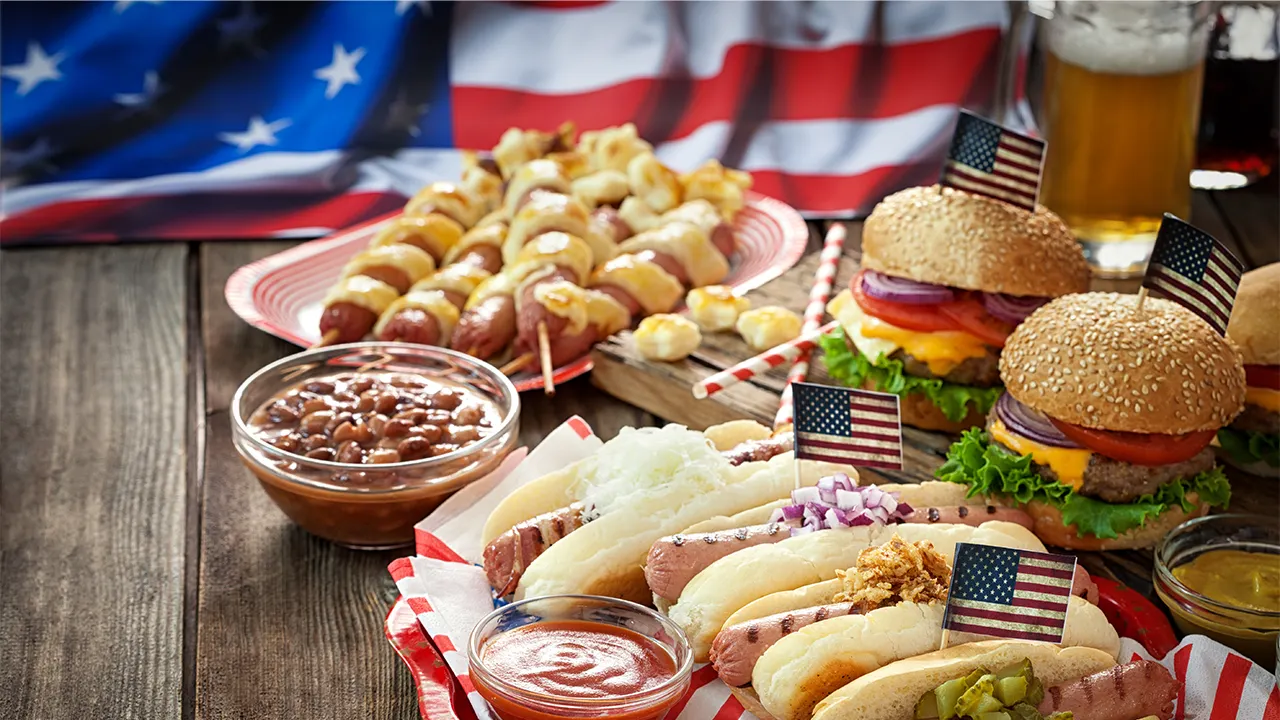
Several popular barbecue items have seen prices rise significantly in the last year amid persistent inflation.(iStock)
The BLS’ index for frankfurters, often considered a more budget-friendly option, is up 10.7% year over year. While this still represents a significant increase, it could offer modestprice relief to consumersrelative to the sharper spikes seen in premium beef cuts. This reflects a potential “trade-down” effect, where consumers, facing higher prices for preferred items, shift their purchasing habits towards more economical alternatives, thereby bolstering demand and prices in those categories.
Interestingly, chicken stands out as a protein that has bucked the inflationary trend, with prices declining by 0.7% from a year ago as of April. Fresh whole chicken prices were down 1.8%, while fresh and frozen chicken parts decreased 0.1%. This divergence highlights the differing market dynamics across protein sectors. Chicken production cycles are much shorter than beef, allowing producers to respond more quickly to market signals and expand supply. A more competitive and consolidated industry, along with lower feed costs at certain points, has enabled chicken prices to stabilize or even fall, providing a crucial pressure valve for consumer food budgets.
Beyond proteins, the grocery basket for Memorial Day also reveals inflationary pressures. The cost offresh vegetablesis up a substantial 11.5% over the last year. This category is particularly sensitive to regional weather patterns, transportation costs, and labor availability. Tomatoes, for instance, have seen an alarming surge of 39.7%, while lettuce prices are up 7.9%. By contrast, the price of potatoes has fallen 3% over the past year, showcasing the variability even within the produce aisle, often linked to robust harvests or specific regional supply surpluses.
DOJ CONFIRMS ANTITRUST PROBE OF MAJOR MEATPACKERS OVER BEEF PRICE INFLATION
The Department of Justice’s ongoing antitrust probe into major meatpackers, confirmed earlier, adds another layer of market context. While the probe primarily investigates potential anti-competitive practices and their contribution to beef price inflation, its existence underscores concerns about market concentration and pricing power within the food supply chain. Any findings or regulatory actions could have long-term implications for market structure and pricing, potentially alleviating some pressures on producers and consumers, though immediate impacts are unlikely.
Fresh fruits have seen more modest price increases, with the BLS index showing a 2.1% increase year over year through April. Citrus fruits rose the most at 6.5%, followed by bananas at 4% and apples at 3.1%. These increases are often tied to specific growing region conditions, import costs, and seasonal demand fluctuations, but generally remain less volatile than certain vegetables.
Severalpopular dessertsalso come with a higher price tag this Memorial Day weekend. BLS data indicated that the prices of cakes, cupcakes, and cookies are up 5.1% compared with last April. These items are susceptible to increases in commodity inputs like sugar, flour, and dairy, as well as higher energy costs for baking and packaging. Ice cream prices have also risen, albeit more modestly, up 2.7% in the last year, reflecting similar input cost pressures but perhaps with stronger brand loyalty and less price elasticity.
NEW ICE CREAM TRENDS CHURN UP INTEREST, BUT ONE CLASSIC STILL RULES THE $7.5B INDUSTRY
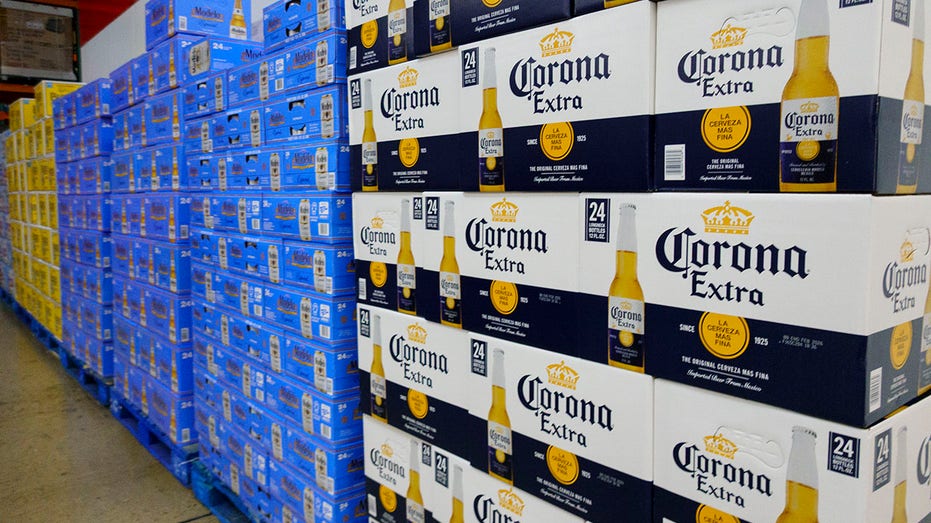
Beer prices are up 2.2% over the last year, which is a faster pace than other alcoholic drinks.(Kevin Carter/Getty Images)
Beverage prices have also experienced a modest ascent. Carbonated drinks are up 3.7%, driven by sugar costs, packaging materials, and distribution expenses. Nonfrozen, noncarbonated juices and drinks have seen a slightly more modest increase of 2.3% year over year, indicating that while costs are rising, competitive market dynamics or less volatile input costs might be mitigating the increases.
Prices foralcoholic beveragesconsumed at home have been relatively flat overall in the last year, with the index up just 0.4%. This category often benefits from strong brand loyalty and slightly different supply chains compared to fresh goods. Consumers wishing to partake this Memorial Day weekend will see less of a price impact here. However, within the category, beer prices have risen the most, climbing 2.2% year over year, likely influenced by grain prices and packaging. Distilled spirits are up a marginal 0.1%, while wine actually declined by 0.8% in that period, potentially reflecting oversupply in certain segments or strong promotional activity from producers and retailers.
GET FOX BUSINESS ON THE GO BY CLICKING HERE
Market Impact:
The persistent elevation in food prices, particularly for consumer staples like beef and fresh produce, carries significant implications across the economic landscape. For the Federal Reserve, these sticky inflation points in core consumer spending categories complicate the disinflationary narrative, potentially reinforcing a more hawkish stance or delaying anticipated interest rate cuts. This sustained food inflation also impacts consumer sentiment and discretionary spending, as households reallocate a larger portion of their budgets to essential groceries, potentially dampening retail sales in other sectors. For the agricultural sector, while commodity prices are elevated, rising input costs mean that farm profitability isn’t uniformly high, with smaller ranchers and farmers often bearing the brunt. Investors should monitor commodity futures markets for signs of easing supply constraints or escalating geopolitical risks that could further impact energy and fertilizer prices. Retailers in the grocery sector face a delicate balancing act of managing higher procurement costs, maintaining competitive pricing, and preserving profit margins, often resorting to strategic promotions or private label expansion to cater to price-sensitive consumers. This Memorial Day’s grill prices are a potent reminder that while headline inflation may be moderating, sectoral pressures continue to exert a powerful influence on both household economics and broader market expectations.