
Check out what’s clicking on FoxBusiness.com.
Key Takeaways for Investors and Industry Stakeholders:
- Operational & Financial Strain on Made Fresh Salads:The recall mandates a complete halt in production and distribution, signaling immediate revenue loss, significant recall costs, potential legal liabilities, and long-term brand erosion for the privately-held company.
- Heightened Scrutiny for the Food Sector:This incident will likely intensify regulatory oversight and consumer demand for transparency, potentially leading to increased compliance costs, elevated product liability insurance premiums, and a shift in investor sentiment towards food manufacturers, particularly SMEs.
- Supply Chain Vulnerabilities Exposed:The recall highlights the fragility of food supply chains, especially for ready-to-eat products, underscoring the critical need for robust quality control and traceability systems across the entire food distribution network to mitigate systemic risk.
NEW YORK –The ready-to-eat food sector is once again under the microscope, as New York-based Made Fresh Salads, Inc. navigates a significant product recall stemming from potentialListeria monocytogenescontamination. This development not only poses a severe public health risk but also casts a long shadow over the company’s financial stability and highlights broader market vulnerabilities within the food manufacturing and distribution ecosystem.
Initially reported this week, the recall encompasses all cream cheese products and Ready-to-Eat Deli Style Salads manufactured by Made Fresh Salads, Inc. The move, initiated following environmental sampling that detected the pathogen within the company’s facility, represents an immediate and significant operational disruption. For a company like Made Fresh Salads, which operates primarily in a competitive urban market supplying local delis and retailers, a complete cessation of production and distribution translates directly into a total loss of revenue streams. Simultaneously, fixed costs – ranging from facility overheads to employee wages – continue to accrue. This creates immense short-term liquidity pressure, a critical concern for any privately held enterprise, and raises questions about its capacity to weather such a severe financial shock.
Made Fresh Salads’ recalled cream cheese items include 5-pound and 30-pound tubs of various flavors, such as 5-pound apple cinnamon cream cheese, 5-pound tofu vegetable spread, 30-pound whipped cream cheese, and 30-pound scallion cream cheese. The extensive list of affected products also includes dozens of ready-to-eat salad products, from 5-pound chickpea salad and 5-pound bowtie pesto to 30-pound macaroni salad and 30-pound potato salad. This broad scope indicates a potential systemic issue within the manufacturing process or facility environment, rather than an isolated incident, escalating the complexity and cost of the recall effort. For financial analysts, the breadth of the recall signals that the underlying contamination source may be pervasive, demanding a complete operational overhaul rather than a targeted fix.
MORE THAN 1,500 POUNDS OF PORK RECALLED OVER LISTERIA CONTAMINATION RISK
Cream cheese and ready-to-eat deli-style salads are facing a recall over potential listeria contamination.(iStock / iStock)
Beyond the core deli items, the recall further extends to the company’s 7-pound chocolate pudding, 6-pound vanilla pudding, 12-piece crab cakes, and 12-piece potato croquettes. The sheer diversity of these products underscores the pervasive nature of the contamination risk within the facility. For investors and market observers, this scale suggests that the financial repercussions will be substantial, encompassing not just the direct costs of retrieval, disposal, and potential destruction of goods, but also the broader economic impact of lost sales, contractual penalties with distributors and retailers, and the arduous process of re-establishing compliant operations. The reputational damage, particularly in a local market where brand trust is paramount, could be long-lasting and significantly erode future revenue potential.
Affected items have expiration dates ranging from Sept. 3 to Sept. 18, indicating a relatively recent production window. The salads and cream cheese items were distributed across key New York City boroughs – Brooklyn, Queens, and the Bronx – primarily in 5-pound and 30-pound white plastic tubs with a Made Fresh Salads label or Northside label, and half-size aluminum pans. The challenge is further compounded by the fact that these products may have been repacked by retail locations in deli-style or other retail packaging, making consumer identification and full retrieval significantly more complex and costly. This ‘downstream’ repackaging risk highlights a common vulnerability in the food supply chain where primary producers lose control over the final presentation, yet retain ultimate liability for product safety. Retailers themselves may now face their own costs related to identifying and removing these white-label products from shelves.
DOG SUPPLEMENTS RECALLED OVER POTENTIAL SALMONELLA CONTAMINATION
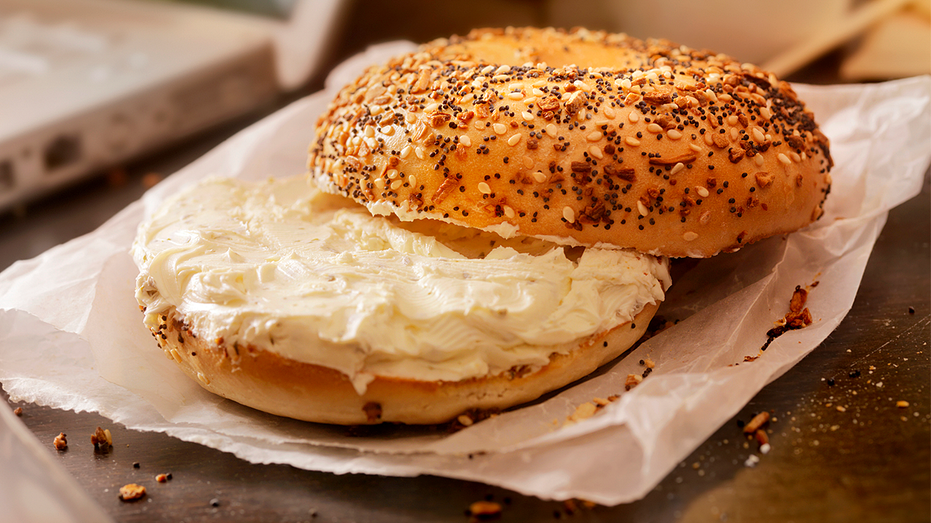
Made Fresh Salads, Inc. issued a recall this week for all of its cream cheese products and Ready-to-Eat Deli Style Salads.(Getty Images / Getty Images)
The recall was initiated following a collaborative environmental sampling effort by the company and the Food and Drug Administration (FDA), which definitively revealed the presence ofListeria monocytogenesin certain areas of the facility. This proactive regulatory involvement, while crucial for public safety, invariably adds layers of operational and financial pressure. The company has publicly committed to ceasing production and distribution, and is working alongside the FDA to investigate the root cause of the contamination. This investigation phase alone can be protracted and expensive, requiring specialized consultants, enhanced testing protocols, and potential infrastructure upgrades, all while the company remains non-operational. For a smaller company, the duration of this shutdown can determine its very survival, impacting employee retention and its ability to re-enter the market.
A listeria infection can cause severe health complications, including high fever, severe headache, stiffness, nausea, abdominal pain, and diarrhea. Alarmingly, it is also a significant cause of miscarriages and stillbirths among pregnant women. Furthermore, it poses serious and sometimes fatal infections in vulnerable populations such as young children, the elderly, and individuals with compromised immune systems. While no illnesses have been reported thus far in connection with the recalled products, the potential for future claims remains a substantial legal and financial liability for Made Fresh Salads. Product liability insurance, while a safeguard, may not cover all eventualities, and the long-term cost of defending against potential lawsuits could be crippling. The specter of class-action lawsuits, even without confirmed illnesses, can impose significant legal fees and settlements that dwarf direct recall costs.
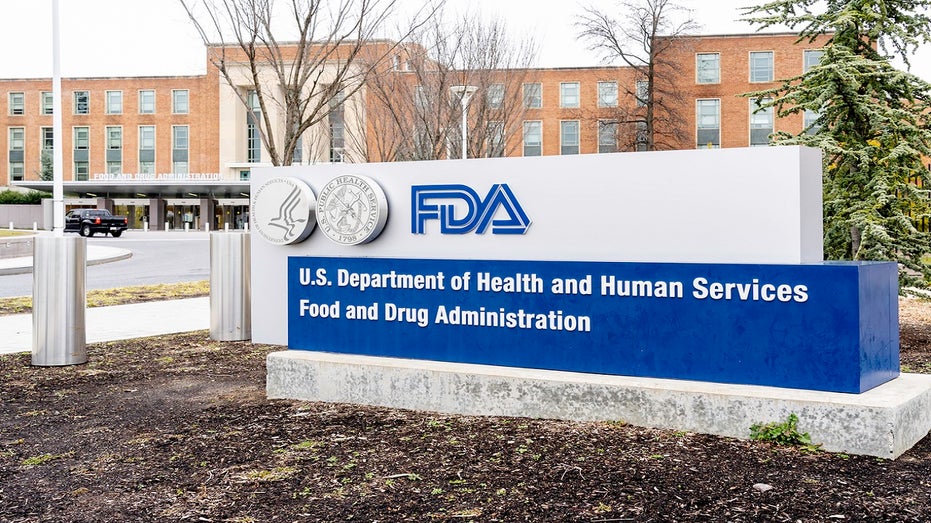
The recall was initiated following environmental sampling by the company and the Food and Drug Administration.(iStock / iStock)
Beyond the direct financial hit to Made Fresh Salads, this incident reverberates throughout the broader food manufacturing and retail landscape. Heightened regulatory scrutiny is a near-certain outcome, potentially leading to increased frequency of FDA inspections and stricter enforcement of food safety standards across the industry. This translates into higher compliance costs for all food producers, impacting margins and potentially influencing pricing strategies. For product liability insurers, such high-profile recalls could lead to an upward revision of premiums for food sector clients, particularly those specializing in ready-to-eat products that inherently carry higher risks. This can create a financial squeeze for the entire sector, especially for smaller players with thinner margins.
Consumer confidence, a vital intangible asset, also stands to be eroded. Recalls of this nature can cause a collective wariness towards similar products and brands, even those unaffected. Retailers who sourced from Made Fresh Salads may face reputational damage by association and will incur costs associated with finding alternative suppliers, managing inventory write-offs, and reassuring their customer base. This underscores the fragility of just-in-time supply chains and the ripple effect a single point of failure can have on multiple stakeholders. Furthermore, the incident can prompt consumers to shift preferences towards larger, more established brands perceived as having more robust safety protocols, or even to home-prepared alternatives, impacting specific product categories.
CLICK HERE TO GET FOX BUSINESS ON THE GO
Consumers who purchased the affected items are urged to return them to the place of purchase for a full refund. While this is standard recall protocol, the real cost lies in the damaged brand trust and the operational overhaul required to prevent future occurrences. For Made Fresh Salads, the path to recovery will be arduous, requiring not only significant financial investment but also a meticulous re-engineering of their quality control processes, rigorous environmental monitoring, and a transparent communication strategy to rebuild credibility in a highly competitive and consumer-sensitive market. The capital expenditure required for facility upgrades and enhanced testing could be substantial, posing an existential threat.
Market Impact:
The Made Fresh Salads recall serves as a stark reminder of the persistent operational risks within the food industry, particularly for manufacturers of perishable and ready-to-eat items. Financially, such incidents contribute to an environment of increased operational uncertainty for small and medium-sized enterprises (SMEs), potentially dampening investor appetite for smaller, less diversified food companies. Expect a sector-wide re-evaluation of supply chain resilience, food safety protocols, and product liability exposures. Retailers and distributors reliant on third-party manufacturers may diversify their supplier base or demand more stringent audit trails, driving up procurement costs and potentially leading to higher consumer prices for such convenience foods. Longer term, this could spur greater investment in advanced food safety technologies, traceability solutions, and automation to mitigate human error and environmental contamination risks, ultimately shaping a more robust, albeit potentially more expensive, food supply infrastructure. The incident reinforces the premium placed by both consumers and the market on transparency, quality assurance, and the robust governance of food safety standards across the entire value chain.