
Check out what’s clicking on FoxBusiness.com.
Key Takeaways:
- **Cautionary Tale for Capital Markets:** The Theranos saga remains a potent symbol of the risks associated with unchecked founder ambition, inflated valuations, and insufficient due diligence in the startup ecosystem, particularly within the biotech sector.
- **Investor Scrutiny Intensified:** The documentary’s release resurfaces critical questions about investor responsibility, the importance of independent scientific validation, and the need for robust governance structures to prevent future instances of fraud.
- **Reputational Capital is Irreplaceable:** Despite attempts at narrative control, Elizabeth Holmes’s conviction for defrauding investors underscores that even charismatic founders cannot escape accountability, and the loss of trust makes any future re-entry into legitimate capital markets highly improbable.
A new documentary offers a rare, unsettling glimpse into the final weeks of disgraced Theranos founder Elizabeth Holmes before she began her federal prison sentence, serving as a stark reminder of one of Silicon Valley’s most spectacular and financially devastating downfalls. The film’s trailer and early reports highlight Holmes’s attempts at narrative control and even a discussion of launching a “new and improved Theranos,” an assertion that immediately raises red flags within capital markets and among seasoned investors.
The trailer for A24’s “You Can See Everything,” released this week, features Holmes in a candid conversation with filmmaker Nathan Fielder, where she repeatedly insists on her authenticity. “I’m not that person, I can promise you that,” Holmes states. “I don’t have anything to deceive you on. Of course, I’m not deceiving you. I’m engaging with you as a human being. Why would I deceive you? There’s no reason for me to do that.”
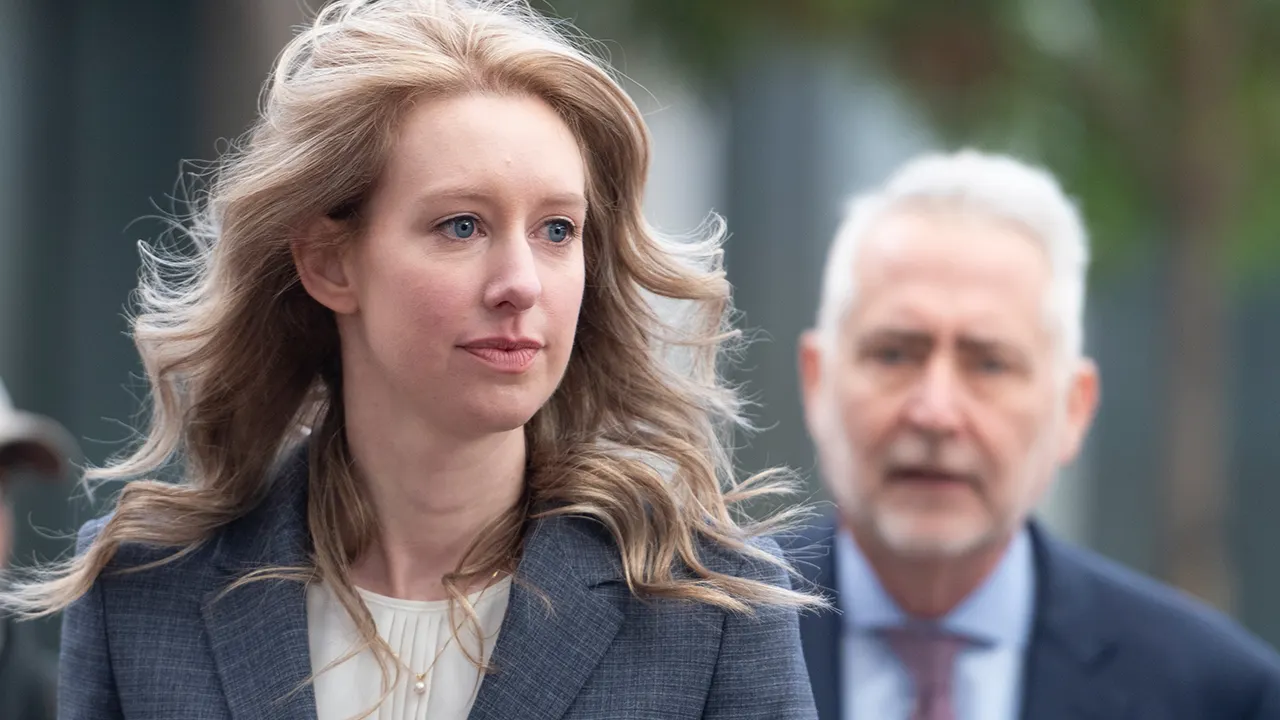
A new documentary set for release next month offers a rare glimpse inside disgraced Theranos founder Elizabeth Holmes’ life before prison.(Yichuan Cao/NurPhoto via Getty Images)
Fielder’s skeptical response — “OK. Alright. OK, good chat. … You’re being real right now?” — met with Holmes’s unwavering “I’m always being real,” underscores the very cognitive dissonance that characterized the Theranos fraud. For investors who collectively poured nearly $9 billion into a company built on what prosecutors proved were false claims, Holmes’s insistence on “being real” rings hollow, serving as a chilling echo of the deceptive rhetoric that once captivated sophisticated venture capitalists and strategic partners alike. This narrative, if intended to rehabilitate her public image, faces an insurmountable hurdle in the court of investor opinion, where financial losses speak louder than any carefully constructed personal narrative.
The documentary, which premiered at the Telluride Film Festival, reportedly details how Holmes invited a “skeptical film crew” to document her life 34 days before her incarceration. A24’s synopsis describes the journey as one from an “intimate portrait of an enigmatic felon” to a “mind-bending three-year journey into the abyss,” suggesting a deeper exploration of the psychological underpinnings of her actions and their devastating market consequences.
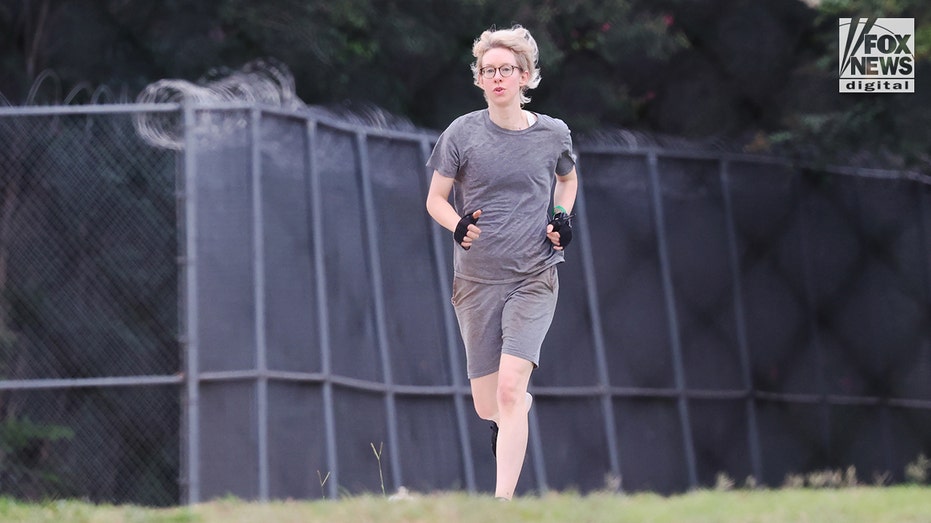
According to A24, Holmes invited a “skeptical film crew” to document her life 34 days before she reported to prison.(Derek Shook for Fox News Digital)
Perhaps most startling for those tracking the aftermath of the Theranos scandal is the film’s revelation that Holmes and her partner, Billy Evans, discussed plans to launch “a new and improved Theranos.” This detail is profoundly significant from a market perspective. The mere mention of such a venture, however hypothetical, immediately triggers a strong negative reaction from the investment community. Given Holmes’s conviction on multiple counts of fraud and conspiracy, the capital markets would undoubtedly view any future entrepreneurial endeavor from her with extreme skepticism and an impenetrable wall of resistance. The concept itself highlights a potential disconnect between Holmes’s perception of her role and the severe legal and financial implications of her past actions.
Fielder’s post-screening comments, expressing his struggle to understand his experience and inviting viewers to help him interpret it, reflect the broader market’s bewilderment at how a company with such flimsy technological foundations could attract such immense capital and credibility. The Theranos story is a textbook case study in the perils of hype over substance, where the allure of a disruptive vision, combined with a charismatic founder, overshadowed the critical need for scientific validation and transparent reporting to investors.
Holmes, 42, founded Theranos on claims its proprietary technology could perform hundreds of medical tests using only a few drops of blood. These claims, central to its staggering $9 billion valuation, were later exposed as false. Prosecutors argued, and a jury agreed, that she defrauded investors by fundamentally misrepresenting the company’s technology and business capabilities. Her conviction on one count of conspiracy to commit fraud and three counts of committing fraud on January 2, 2022, signaled a rare moment of accountability in the often-unregulated private market landscape. Theranos itself ceased operations in 2018, leaving a trail of vanished investor capital, damaged reputations, and a cautionary tale for the entire venture capital ecosystem.
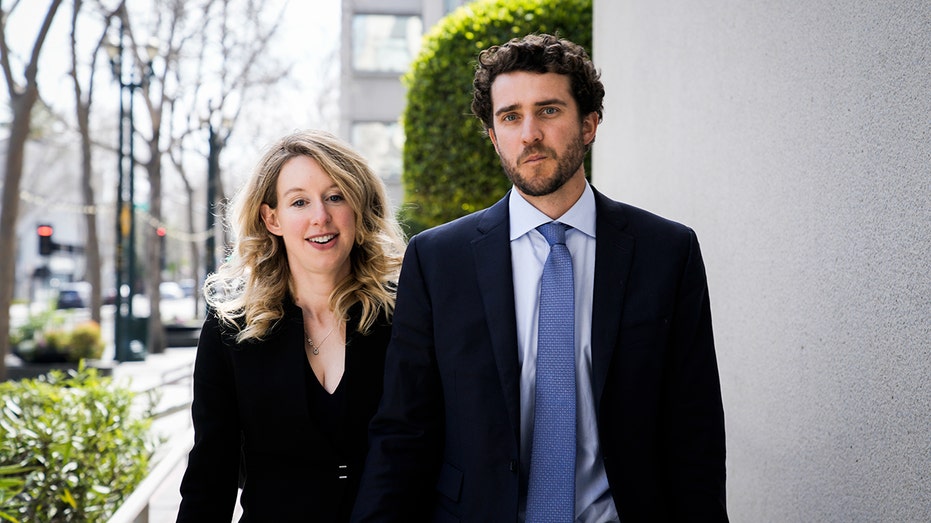
The film reportedly reveals that Holmes and her partner, Billy Evans, discussed plans to launch “a new and improved Theranos.”(Philip Pacheco/Getty Images)
The Theranos saga has had lasting repercussions for investor due diligence, particularly in the highly technical and often opaque biotech and medtech sectors. It amplified calls for greater independent scientific review, more robust board oversight, and a healthy skepticism towards “unicorn” valuations based purely on future projections without tangible, verifiable results. Regulators, including the SEC, have also increased scrutiny on private companies, recognizing the potential for fraud when significant capital is raised outside the traditional public market disclosure requirements.
Holmes was originally sentenced to more than 11 years in federal prison, a term later reduced by a federal judge in March. She is currently incarcerated at Federal Prison Camp Bryan in Texas. While her personal narrative unfolds in the documentary, the financial world remains focused on the indelible lessons learned from Theranos: the imperative of rigorous due diligence, the ethical responsibilities of founders to their investors, and the ultimate supremacy of verifiable results over aspirational rhetoric.
The documentary’s timing, as the startup ecosystem continues to navigate a more cautious funding environment post-pandemic and amidst higher interest rates, serves as a timely reminder that the pursuit of innovation must always be tempered by transparency, integrity, and accountability to those who provide the essential capital for growth.
GET FOX BUSINESS ON THE GO BY CLICKING HERE
Market Impact:
The release of “You Can See Everything” reinvigorates discussions about corporate governance failures, investor protection, and the lasting impact of high-profile fraud on market sentiment. The Theranos scandal profoundly reshaped venture capital practices, prompting investors to demand more rigorous scientific validation, independent board members, and detailed financial transparency from early-stage companies, particularly in complex technological fields. Any suggestion of a future entrepreneurial venture by Elizabeth Holmes, as teased in the documentary, would likely be met with an impenetrable wall of skepticism and a complete lack of access to institutional capital, underscoring the irreversible damage to her reputational capital. This film will reinforce the critical need for robust due diligence and ethical leadership, ensuring that the Theranos case continues to serve as a perpetual cautionary tale against the dangers of unchecked ambition and outright deception in the pursuit of market disruption.