
Ukraine Secures €3.3 Billion EU Tranche for Critical Air Defense and Drone Procurement
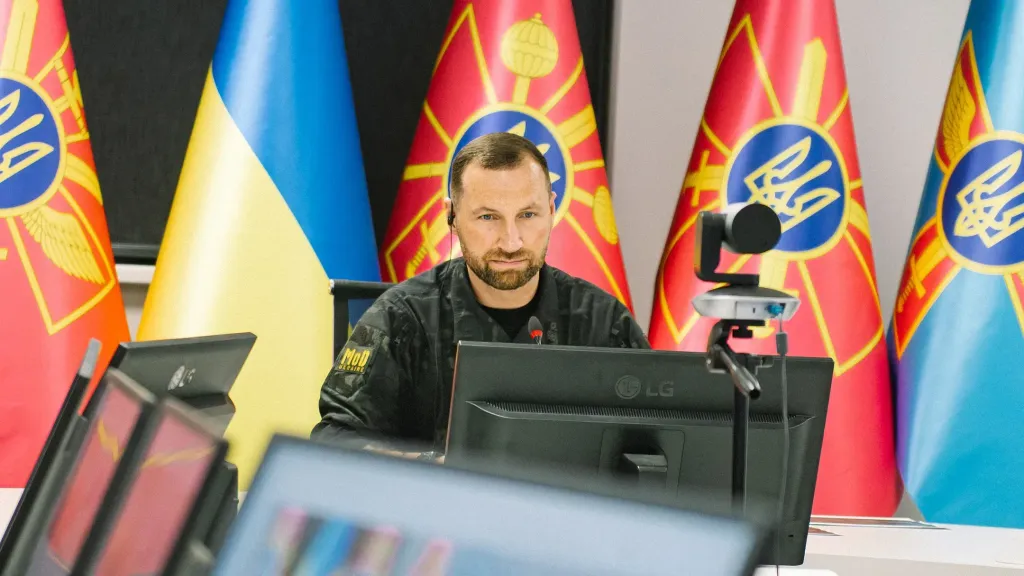
Kyiv, Ukraine – Ukraine has announced that a substantial €3.3 billion tranche from the European Union, provided under the comprehensive Ukraine Support Loan program, will be directly allocated to bolster its defense capabilities through the acquisition of essential drones and air defense systems. This critical funding decision followed productive discussions between Ukraine’s Defence Minister Evgeniy Khmara and European Commissioner for Defence and Space Andrius Kubilius.
The allocation of funds was a primary focus during a recent phone call between Minister Khmara and Commissioner Kubilius. The discussions underscored the urgent need to accelerate support for what the Ukrainian Ministry of Defence has consistently identified as critical requirements for its Defence Forces amidst ongoing hostilities. The rapid procurement of these systems is deemed vital for Ukraine’s strategic defense posture.
Minister Khmara expressed profound gratitude to the European Union for its unwavering support and the timely provision of this latest €3.3 billion installment. He emphasized that the funds are earmarked specifically to enhance the protection of Ukrainian airspace, a persistent vulnerability due to continuous aerial assaults. The procurement drive will focus on both advanced drone technology and robust air defense infrastructure.
Highlighting the strategic imperative of swift action, Minister Khmara stated, “Speed is critical here. The faster decisions are taken and the funds come through, the faster the equipment we need reaches the battlefield and strengthens the capabilities of our troops.” This statement underscores the dynamic nature of modern conflict and the immediate impact that timely material support can have on operational effectiveness and troop safety.
The Ukrainian Defence Ministry further noted that Minister Khmara commended the European Union for its efficient and responsive handling of Ukrainian requests for defense assistance. This commendation reflects a broader positive sentiment within Kyiv regarding the EU’s structured approach to providing financial and material support, which has become a cornerstone of Ukraine’s resilience against aggression.
Beyond the immediate allocation, the discussions between Khmara and Kubilius also delved into Ukraine’s wider financial requirements for its defense sector. Specifically, the participants addressed the remaining shortfall in Ukraine’s defense budget for the upcoming year 2026 and began to outline the projected funding requirements for 2027. These longer-term financial planning issues were raised as separate, yet interconnected, elements of the ongoing dialogue on sustained support.
The Ministry clarified that while the latest EU funding tranche is designed to support the immediate and critical purchases of drones and air defense systems, the broader conversations concerning the comprehensive defense financing requirements for the current and subsequent financial years are ongoing. This multi-faceted approach ensures that Ukraine can address both its immediate tactical needs and plan for its medium- to long-term defense stability and modernization.
This tranche is part of the larger ‘Ukraine Facility,’ a financial instrument established by the EU to provide stable and predictable financial support to Ukraine for its recovery, reconstruction, and modernization, while also supporting its capacity to defend itself. The Facility is designed to provide up to €50 billion in grants and loans over the period 2024-2027, demonstrating the EU’s enduring commitment to Ukraine’s sovereignty and resilience.
The focus on drones and air defense systems directly addresses two of the most pressing challenges faced by Ukrainian forces. Drones have proven indispensable for reconnaissance, artillery spotting, target acquisition, and even direct offensive operations in the ongoing conflict, offering a cost-effective solution to many battlefield dilemmas. Air defense systems, meanwhile, are crucial for protecting civilian infrastructure, military assets, and population centers from Russia’s relentless missile and drone attacks, which aim to degrade Ukraine’s ability to function and fight.
Securing consistent and timely funding for these critical systems remains a top priority for Kyiv, as the scale of the conflict demands continuous replenishment and technological upgrades. The partnership with the European Union, as exemplified by this latest funding agreement, underscores the international effort to ensure Ukraine possesses the necessary tools to defend its territory and its people.
Why This Matters
This latest €3.3 billion allocation from the European Union represents a significant and multi-layered development with profound implications for the ongoing conflict in Ukraine, the future of European security, and the dynamics of international support.
Firstly, the direct earmarking of funds for **drones and air defense systems** addresses two of Ukraine’s most critical and immediate battlefield needs. Drones have emerged as a defining feature of modern warfare, providing indispensable capabilities for reconnaissance, targeting, and even direct engagement. Their widespread use by both sides underscores their tactical importance, and Ukraine’s ability to scale up its drone fleet and counter-drone measures is vital for maintaining parity and initiative on the front lines. Similarly, robust air defense systems are non-negotiable for protecting Ukraine’s civilian population, critical infrastructure, and military assets from Russia’s persistent and devastating missile and drone attacks. Without effective air defense, Ukraine’s cities and industrial centers remain vulnerable, directly impacting the country’s economic stability and social resilience. This funding will directly save lives and help preserve the nation’s capacity to continue functioning under duress.
Secondly, the **speed and mechanism of funding** are equally significant. Minister Khmara’s emphasis on “speed” reflects the urgent operational tempo of the conflict. Delays in aid can translate directly into battlefield losses and strategic disadvantages. The EU’s ability to disburse this tranche under the “Ukraine Support Loan” (or ‘Ukraine Facility’) mechanism demonstrates a structured and committed approach to long-term financial assistance, moving beyond ad-hoc donations to a more predictable and sustainable framework. This predictability is crucial for Ukraine’s long-term defense planning and economic stability, allowing Kyiv to make strategic procurement decisions rather than reactively patching gaps.
Thirdly, this financial commitment solidifies the **European Union’s role as a primary and steadfast partner** in Ukraine’s defense. The EU, through its various instruments and member states, has become a pivotal source of military, financial, and humanitarian aid since the full-scale invasion. This specific tranche reinforces the message that European solidarity with Ukraine remains robust, sending a clear signal to Russia that Western support is neither wavering nor finite. It also underscores the EU’s strategic interest in a secure and stable Ukraine, recognizing that Ukraine’s security is intrinsically linked to broader European security.
Fourthly, the discussions regarding **Ukraine’s 2026 defense budget shortfall and 2027 funding requirements** highlight the immense and ongoing financial burden of sustained conflict. Even with significant international aid, Ukraine faces immense challenges in funding its vast defense needs, let alone its broader state functions. These long-term financial dialogues indicate a strategic foresight from both Ukraine and the EU, moving towards comprehensive planning that anticipates future needs rather than merely responding to immediate crises. This long-term perspective is essential for Ukraine’s eventual recovery and integration into Euro-Atlantic structures.
Finally, this development has broader **geopolitical ramifications**. It demonstrates the capacity of international alliances to mobilize substantial resources in response to aggression, potentially influencing the calculations of other revisionist powers. The continued flow of aid also signals confidence in Ukraine’s ability to effectively utilize these resources, further strengthening its international standing. In essence, this €3.3 billion is not just money; it is a tangible expression of political will, strategic necessity, and a shared commitment to a future where Ukraine remains sovereign and secure within the European family.