
Key Takeaways:
- Brand Erosion & Retailer Risk:Major retailers like Walmart and Publix face significant brand reputation damage and potential financial liabilities from product recalls, especially concerning private-label brands, impacting consumer trust and potentially future sales.
- Supply Chain Scrutiny & Cost:The incident highlights the critical need for robust international supply chain vetting and quality control, driving up operational costs for distributors and increasing pressure on foreign suppliers, potentially leading to higher food prices.
- Broader Sector Impact:Repeated food safety incidents can undermine consumer confidence across the entire frozen food and organic produce sectors, prompting stricter regulatory oversight and influencing investment decisions in agricultural commodities and food processing.
While an unrelated incident, this video of a Panda Express worker cleaning around food preparation areas underscores the heightened consumer sensitivity to food safety practices across the entire food service and retail landscape, influencing brand perception and sales. (Credit: Paul Elisha Finger via Storyful)
WASHINGTON D.C. –A persistent E. coli contamination concern, initially sparking a blueberry recall in July, has broadened its scope, now encompassing frozen mixed berry products sold under Walmart’s flagship private-label, Great Value. This expansion signals not just a public health alert but a significant financial headache for major retailers, international suppliers, and the broader food industry, underscoring the delicate balance between cost-efficiency and rigorous quality control in global supply chains.
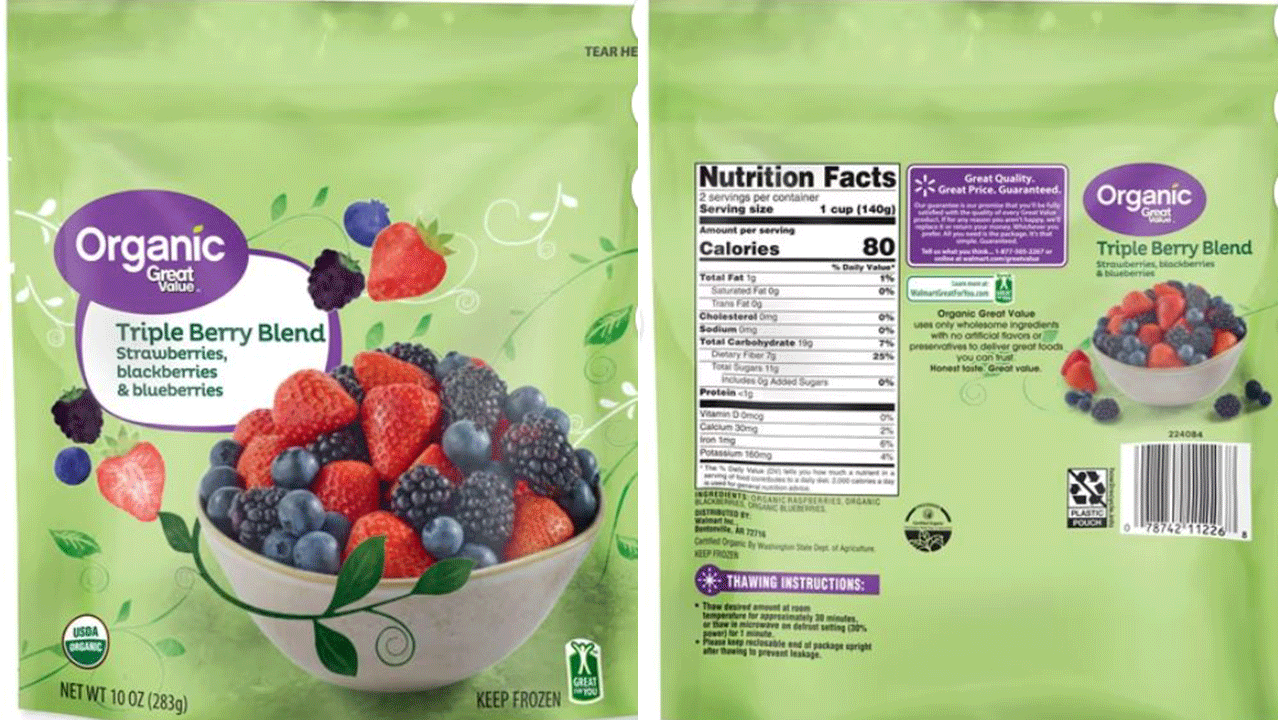
The latest recall, announced by the U.S. Food and Drug Administration, involves one lot of 10-ounce packages of Great Value frozen Organic Triple Berry Blend. The supplier, Chile-based Frutas y Hortalizas del Sur S.A., initially issued a recall for GreenWise Organic IQF Blueberries distributed to Publix stores, after receiving reports of consumer illnesses. The inclusion of Walmart’s Great Value brand, a cornerstone of its budget-conscious private-label strategy, elevates the financial stakes considerably.
These frozen berries were distributed to select Walmart stores across 16 states, including key markets like Florida, Texas, and Illinois, representing a vast geographical footprint and a substantial volume of potential exposure. For Walmart, the world’s largest retailer, a recall of this magnitude under its own brand name is a direct hit to its brand equity, a valuable intangible asset that underpins consumer loyalty and market valuation. The logistical challenge and associated costs of retrieving products from shelves, issuing refunds, and managing public relations fallout can run into millions of dollars, impacting quarterly earnings and investor sentiment.
MORE THAN 12,000 POUNDS OF BACON RECALLED AFTER USDA ISSUES HIGHEST-RISK ALERT
The broader context of food safety issues, such as the recent recall of over 12,000 pounds of bacon, amplifies the pressure on retailers. Each incident, regardless of the product, contributes to a collective erosion of consumer confidence in the food supply chain, prompting increased scrutiny from regulators and advocacy groups. This environment necessitates even greater investment in food safety protocols, supplier audits, and traceability systems, costs that ultimately can be passed on to consumers or absorbed by companies, impacting profit margins.
Packaging for Great Value frozen Organic Triple Berry Blend sold at Walmart. The inclusion of a major private-label brand in a widespread recall poses significant financial and reputational challenges for the retailer.(Walmart.com / Unknown)
Frutas y Hortalizas del Sur S.A., the Chilean supplier, now faces a precarious financial future. Losing contracts with retail giants like Walmart and Publix could severely cripple its operations. Product liability insurance may cover some of the immediate recall costs and potential legal settlements, but the long-term damage to its reputation and ability to secure future contracts with discerning international buyers could be insurmountable. This incident also casts a shadow over the broader Chilean berry export industry, potentially triggering increased import inspections and more stringent sourcing requirements from global markets, affecting numerous other producers.
While there are no reports yet of people falling ill from the Great Value berry mix, the precedent set by the original recall of GreenWise Organic IQF Blueberries is alarming. That incident led to 17 reported illnesses and six hospitalizations across Florida and Georgia. Such severe health outcomes carry significant legal and financial ramifications, including potential class-action lawsuits and substantial compensatory damages, which could impact the balance sheets of all implicated parties.
RFK JR SAYS SOURCE OF CYCLOSPORA OUTBREAK IDENTIFIED, DECLARES PARASITE OUTBREAK ‘UNDER CONTROL’
Discussions around foodborne illnesses, even those unrelated like the Cyclospora outbreak mentioned by RFK Jr., contribute to a heightened public awareness and anxiety. This environment makes consumers more sensitive to recall announcements and more likely to switch brands or retailers if they perceive a lapse in safety standards. For publicly traded companies, such shifts in consumer behavior can directly translate into volatile stock performance.
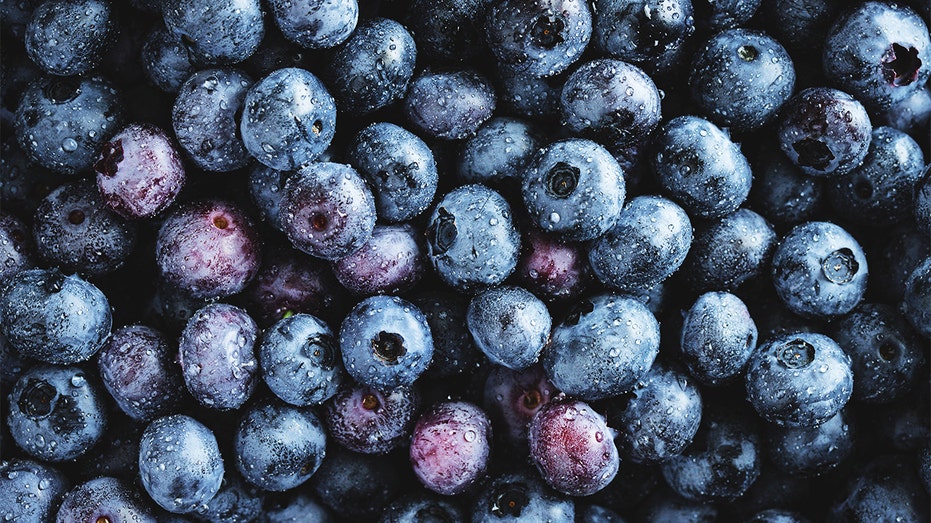
The original recall of 10-ounce GreenWise Organic IQF Blueberries distributed to Publix stores highlights the persistent nature of food safety challenges within global supply chains.(Getty Images / Getty Images)
The Universal Product Code of 7874211226 and best-by date of Feb. 9, 2028, provides specific identifiers for affected products, enabling efficient tracking and consumer action. E. coli O145, a Shiga toxin-producing strain, is particularly dangerous, capable of causing severe gastrointestinal distress and, in vulnerable populations, hemolytic uremic syndrome (HUS), a life-threatening kidney complication. The potential for such severe outcomes elevates the risk profile for companies involved, necessitating a swift and decisive response to mitigate both public health and financial exposure.
DOCTORS WARN YOUR ‘STOMACH BUG’ MAY ACTUALLY BE A PARASITE THAT’S HARDER TO DETECT
The FDA’s guidance for consumers to either dispose of the berry mix or return it to Walmart for a refund directly impacts the retailers’ bottom line through replacement costs and administrative overheads. Beyond the immediate financial drain, the long-term consequence for retailers is the erosion of brand equity associated with their private labels. Great Value products are designed to offer consumers a reliable, affordable alternative to national brands. A safety recall of this magnitude undermines that core value proposition, potentially driving consumers towards higher-priced, perceived-safer alternatives or competing retailers, representing a significant market share risk.
The recalled berry mixes were sold at Walmarts in 16 states, emphasizing the logistical and financial complexity of managing widespread product safety incidents across diverse markets.(iStock / iStock)
CLICK HERE TO DOWNLOAD THE FOX NEWS APP
Market Impact
This expanded berry recall is poised to have multifaceted market impacts. For Walmart (NYSE: WMT) and other implicated retailers, the immediate financial burden includes recall execution costs, inventory write-offs, and refund expenses, alongside potential legal fees from future litigation. More significantly, the erosion of consumer trust in their private-label brands—a key driver of customer loyalty and profit margins—could lead to a measurable dip in sales and brand equity over subsequent quarters. For the broader frozen food and organic produce sectors, this incident could trigger a flight to quality, with consumers favoring brands with perceived superior safety records, potentially impacting pricing power and market share for less robust players. Furthermore, it reinforces the regulatory environment’s increasing stringency, compelling companies to invest more heavily in supply chain transparency, quality assurance technologies, and robust recall protocols, costs that will inevitably reshape industry economics and potentially contribute to food inflation. Investors in food processing and agricultural commodities will be closely watching for shifts in global sourcing strategies and increased insurance premiums, signaling a more cautious and costly operational landscape.