
Unlock the Editor’s Digest for free
Roula Khalaf, Editor of the FT, selects her favourite stories in this weekly newsletter.
Key Takeaways
- **UK Education Sector Faces Significant Headwinds:** The proposed visa ban threatens a major revenue stream from international students, particularly from Nigeria, potentially impacting university finances, research funding, and regional economies reliant on academic institutions.
- **Exacerbated Labour Shortages & Public Service Strain:** Halting work visas for nationals from key countries could deepen existing labour deficits in critical sectors like healthcare, social care, and other industries, driving up operational costs and compromising service delivery.
- **Geopolitical & Trade Backlash Risks:** The policy risks diplomatic friction, potential retaliatory trade measures from economically significant nations within the Commonwealth and African Union, and a broader erosion of the UK’s soft power and investment attractiveness.
A recent policy announcement from Reform UK, proposing to halt the issuance of visas to citizens of countries demanding slavery reparations from the United Kingdom, has sparked a fierce political debate. Beyond the immediate controversy, this hardline stance carries profound implications for the UK’s economy, its critical public services, and its standing on the global stage. As the populist party gains traction in national opinion polls, market participants and investors are scrutinising the potential economic fallout, particularly concerning key sectors such as higher education, healthcare, and international trade.
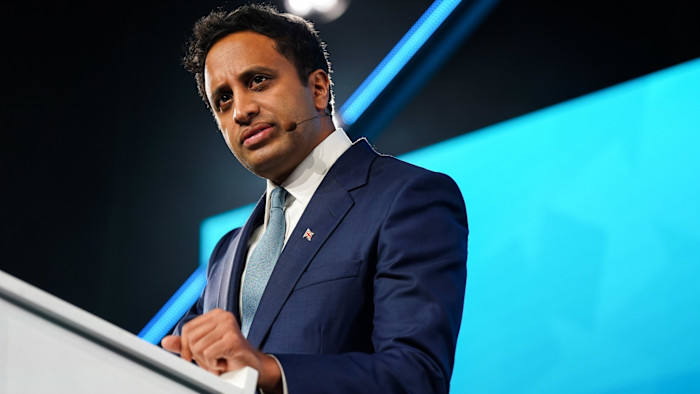
Reform UK’s home affairs spokesperson, Zia Yusuf, articulated the policy as a response to what he termed “insulting” demands for compensation from nations like Nigeria, Jamaica, and Ghana. He argued that these countries “ignore the fact that Britain made huge sacrifices to be the first major power to outlaw slavery and enforce this prohibition.” Should any country formally demand reparations, a Reform government would “halt the issuance of all new visas to its nationals.” This proposal, while resonating with a segment of the electorate, is drawing sharp criticism from economists and industry leaders who foresee substantial economic damage.
Education Sector: A Vulnerable Revenue Stream
The UK’s higher education sector stands as one of the most immediate and significant economic casualties under such a policy. British universities are increasingly reliant on international student fees, which are typically significantly higher than those paid by domestic students. These revenues often subsidise research, infrastructure, and even the education of UK-based students, forming a critical component of university balance sheets. Nigeria, for instance, is a cornerstone of this financial model, with 30,204 sponsored study visas issued to its citizens in 2023 alone. The broader impact extends to Ghana, South Africa, and various Caribbean nations, all of whom contribute tens of thousands of students annually.
A sudden cessation of visas for these key demographics would lead to a precipitous decline in international student enrolment. This would not only deplete university finances but also trigger a ripple effect across regional economies. Student spending on accommodation, retail, hospitality, and transportation contributes billions to the UK economy each year. Universities, often major employers in their localities, could face staffing cuts, reduced research budgets, and a diminished capacity to attract global talent and foster innovation. The long-term damage could erode the UK’s reputation as a world-leading educational hub, making it harder to attract students from other regions in the future and impacting its competitive edge against rivals like the US, Canada, and Australia.
Labour Market & Public Services: Exacerbating Existing Crises
The policy’s impact on the UK labour market, particularly critical public services, presents another grave concern. The UK relies heavily on foreign nationals to fill vacancies across various sectors, most notably the National Health Service (NHS) and social care. According to Home Office figures, countries like Nigeria (156,913 visas), South Africa (84,834 visas), and Ghana (38,004 visas) are significant sources of skilled and unskilled labour, with many individuals taking up roles essential to the functioning of public services and the broader economy.
Halting work visas for these nationals would immediately exacerbate existing labour shortages, particularly in healthcare, where the NHS is already grappling with record waiting lists and a severe lack of staff. This would inevitably lead to increased wage pressures as organisations compete for a dwindling pool of domestic workers, or a significant decline in service quality and accessibility. Beyond healthcare, sectors such as engineering, technology, hospitality, and agriculture also depend on international talent. A constriction of the labour supply from these nations could impede economic growth, reduce productivity, and potentially fuel inflationary pressures as businesses struggle to meet demand with fewer staff.
Trade Relations, Geopolitics, and Investor Confidence
From a geopolitical and trade perspective, Reform UK’s proposal carries substantial risks. The policy could cover all 21 members of the Caribbean Community (Caricom) and all 55 members of the African Union, organisations that jointly issued a declaration demanding reparations in November 2023. This blanket approach risks alienating a significant bloc of nations, many of whom are Commonwealth members with deep historical and economic ties to the UK.
The potential for retaliatory measures from affected countries cannot be overlooked. This could manifest as trade barriers, reduced preferential treatment for UK businesses, or even a re-evaluation of existing investment portfolios. Nigeria, for example, is a major African economy and a significant trading partner for the UK. Disrupting diplomatic and economic relations could jeopardise existing UK exports and investments in these regions, while also deterring future foreign direct investment (FDI) into the UK from these nations. Furthermore, the damage to the UK’s soft power and its reputation as a global, outward-looking economy, particularly within the Commonwealth, could have long-lasting strategic consequences, hindering future trade deals and multilateral cooperation.
Investor confidence is another critical factor. A government pursuing policies perceived as economically damaging, protectionist, or diplomatically abrasive can unnerve international investors. Such uncertainty can lead to capital flight, a weakening of the pound sterling, and increased borrowing costs for the UK government, impacting everything from national debt servicing to the cost of imports and inflation. The prospect of a less stable and predictable policy environment would deter both domestic and international capital allocation, potentially stifling innovation and growth.
Historical Context and Economic Disparity
The policy also revisits the fraught history of the UK’s role in the transatlantic slave trade. While Reform UK’s Yusuf highlights Britain’s role in abolishing slavery, campaigners for reparations frequently point to the stark contrast in historical compensation. In 1837, the UK government agreed to pay £20 million to compensate slave owners for their “loss of property” – a sum equivalent to approximately £2.09 billion in 2023 prices, with the last payment on this debt made as recently as 2015. Successive UK administrations have, however, refused to consider paying compensation to the descendants of those enslaved. This perceived imbalance, when coupled with the proposed visa ban, could intensify international criticism and further isolate the UK on humanitarian and ethical grounds, potentially impacting its standing in international forums and multilateral negotiations.
Market Impact
The market impact of Reform UK’s proposed visa policy is unequivocally negative, primarily through an erosion of human capital, diminished trade relations, and a significant blow to investor confidence. Should this policy be implemented, UK universities and related service industries face an immediate revenue shock, likely leading to job losses and reduced economic activity in academic hubs. The broader labour market will contend with exacerbated shortages, particularly in critical sectors like healthcare, potentially driving up public expenditure and hindering productivity growth. Internationally, the policy risks triggering retaliatory trade measures from affected nations, jeopardising UK exports and inbound investment from significant emerging markets. The resulting diplomatic friction and reputational damage could weaken the pound sterling and deter long-term foreign direct investment, as international capital seeks more stable and predictable policy environments. Financial markets would likely price in increased political risk and potential economic contraction, creating a challenging environment for UK assets and further complicating the nation’s post-Brexit economic reorientation.