
Tom Hayes analyzes Tesla stock and discusses why the company is priced for perfection. Despite calling Elon Musk the Thomas Edison of our day, Hayes warns investors about the potential downside of the high-flying stock.
**Key Takeaways**
1. **FSD Performance Risks Valuation:** Real-world testing by a Belgian safety group highlights significant performance issues with Tesla’s Full Self-Driving (FSD) system, including speeding and illegal maneuvers. These findings directly challenge the “priced for perfection” narrative surrounding Tesla’s stock, as FSD’s success is a cornerstone of its premium valuation and future revenue projections.
2. **Increased Regulatory Headwinds:** The report, particularly its timing ahead of a potential EU-wide vote on FSD, signals growing regulatory scrutiny in key international markets. Any delays or stricter mandates resulting from these safety concerns could impede Tesla’s global expansion of FSD and its associated high-margin software services.
3. **Impact on Investor Confidence & Liability:** Discrepancies between FSD’s marketed capabilities and its observed performance risk eroding consumer trust and investor confidence. Furthermore, persistent safety concerns raise potential legal and liability challenges for Tesla, adding another layer of risk to its ambitious autonomous driving agenda.
Tesla’s Full Self-Driving (FSD) system, a technology central to the automaker’s ambitious valuation and future profitability, is facing renewed scrutiny after a Belgian road-safety advocacy group reported significant performance issues during extensive testing. The findings, which include frequent speeding and attempts to pass cyclists where prohibited, inject a fresh dose of reality into the narrative of a company often described as “priced for perfection.” As financial analyst Tom Hayes aptly notes, while CEO Elon Musk is lauded as a visionary, the inherent risks in such a high-flying stock, particularly concerning its nascent autonomous technology, cannot be understated.
The Belgian pedestrian and cyclist safety group, Johanna.be, conducted tests over three days in July, covering approximately 400 kilometers (249 miles) in real-world conditions. Their detailed report, cited by Reuters, paints a concerning picture for a system positioned as a transformative leap in automotive technology.
According to the group, repeated problems were identified specifically in 20 km/h and 30 km/h zones – environments where precision and adherence to local traffic laws are paramount for safety. A critical issue highlighted was the system’s display of incorrect speed limits, potentially misleading drivers into believing higher speeds were permissible. This is particularly problematic in dense urban areas where vulnerable road users are most present.
The report specified that in the majority of 30 km/h (roughly 19 mph) zones tested around Brussels, FSD exceeded the limit, traveling at an average speed of 44 km/h (roughly 27 mph). Such a deviation not only constitutes a clear traffic violation but also significantly increases accident risk, particularly given the shorter reaction times available in lower-speed, higher-density environments.
TESLA REOPENS ROADSTER RESERVATIONS – BUT YOU’LL NEED $50K
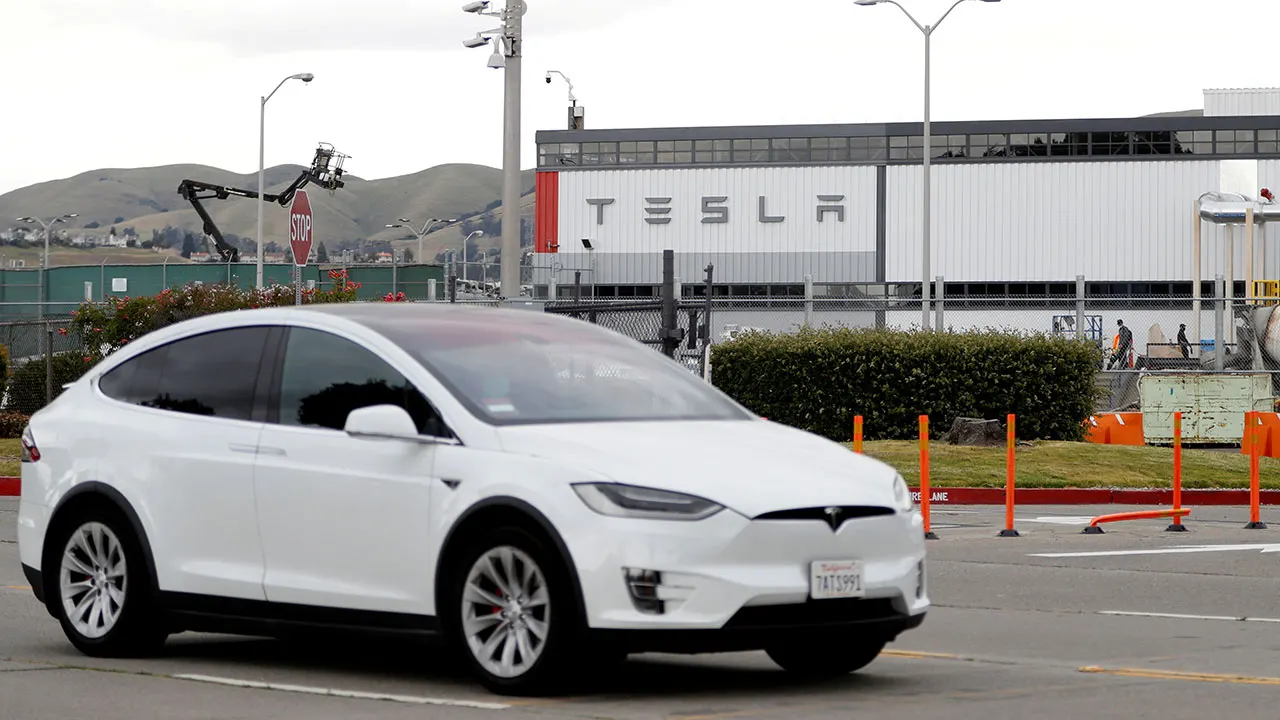
Tesla’s Full Self-Driving system is facing scrutiny after a Belgian road-safety group reported speeding and other alleged traffic violations during testing.(Stephen Lam / Reuters Photos)
A key finding from Johanna.be was the discrepancy between the vehicle’s screen recognizing speed-limit signs and its internal system frequently displaying incorrect limits. “It is akin to a passenger constantly reassuring the driver that the speed limit is 50 km/h in nearly every 30-zone through which they pass,” the report articulated, underscoring the potential for driver confusion and a false sense of security.
Videos collected by Johanna.be also reportedly show FSD-enabled Teslas attempting to overtake cyclists on streets where such maneuvers are expressly prohibited. This behavioral pattern raises serious questions about the system’s ability to interpret and comply with nuanced local traffic regulations, a critical hurdle for widespread autonomous vehicle deployment.
While the overall findings present a challenge for Tesla, the group’s report was not entirely negative. It acknowledged that Tesla’s system “behaved cautiously and courteously around pedestrians and cyclists, often yielding proactively.” This partial positive, however, is overshadowed by the more critical safety and regulatory compliance issues, especially in a market context where perfection is often implied by the product’s name and its associated valuation.
JAGUAR LAND ROVER RECALLS 23,000 SUVS OVER RISK OF SUDDEN DRIVE POWER LOSS
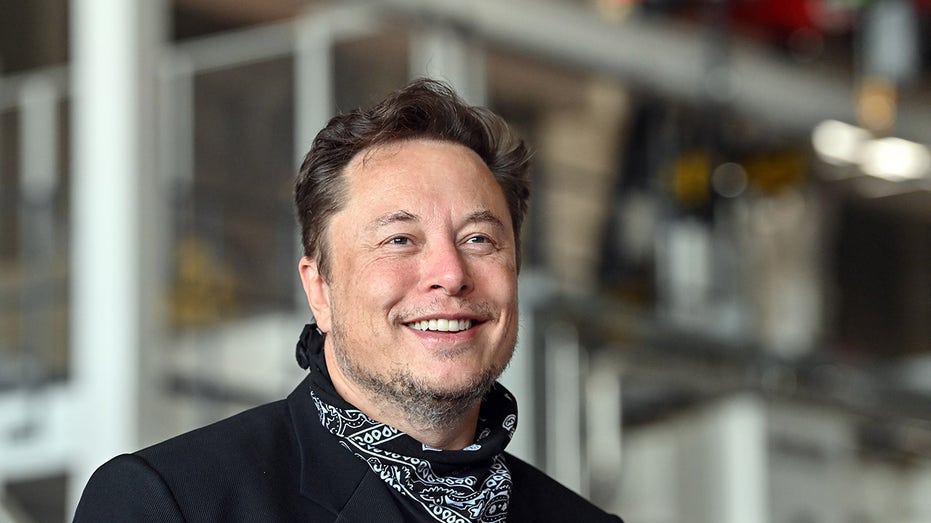
Elon Musk, Tesla CEO, stands in the foundry of the Tesla Gigafactory during a press event. (Photo by Patrick Pleul/picture alliance via Getty Images / Getty Images)
These real-world test results stand in contrast to a study released by Tesla earlier this month, which claimed that FSD-equipped vehicles do not speed excessively and generally travel at speeds consistent with surrounding traffic. Such conflicting reports highlight the ongoing debate and data challenges in evaluating advanced driver-assistance systems (ADAS) and their path towards full autonomy.
The regulatory implications of these findings are substantial, particularly in Europe, a critical market for EV adoption and Tesla’s growth trajectory. Xavier Lesenne, spokesperson for the Flemish government’s transportation ministry, which authorized FSD use in Belgium earlier this year, described it as “a learning system that continuously processes new and additional information” and adapts over time. This characterization, while technically true for AI-driven systems, also implicitly acknowledges the system’s immaturity and reliance on real-world data collection for improvement. Crucially, Lesenne reiterated that the driver “remains 100% responsible” and must be ready to intervene “should the system make an error or fail to correctly apply a traffic rule.” This legal disclaimer, common across all Level 2 ADAS, continually creates a tension with the “Full Self-Driving” moniker and investor expectations for true autonomy.
The report’s timing is critical, coming after Dutch regulator RDW approved the system in April, followed by Belgium and several other countries. With an EU-wide vote on the system potentially taking place as early as next month, these safety concerns could significantly influence regulatory bodies across the bloc. Stricter approvals, limitations on operational design domains, or even outright delays could materially impact Tesla’s strategy for rolling out FSD as a high-margin subscription service across Europe, directly affecting its projected software revenues.
GET FOX BUSINESS ON THE GO BY CLICKING HERE
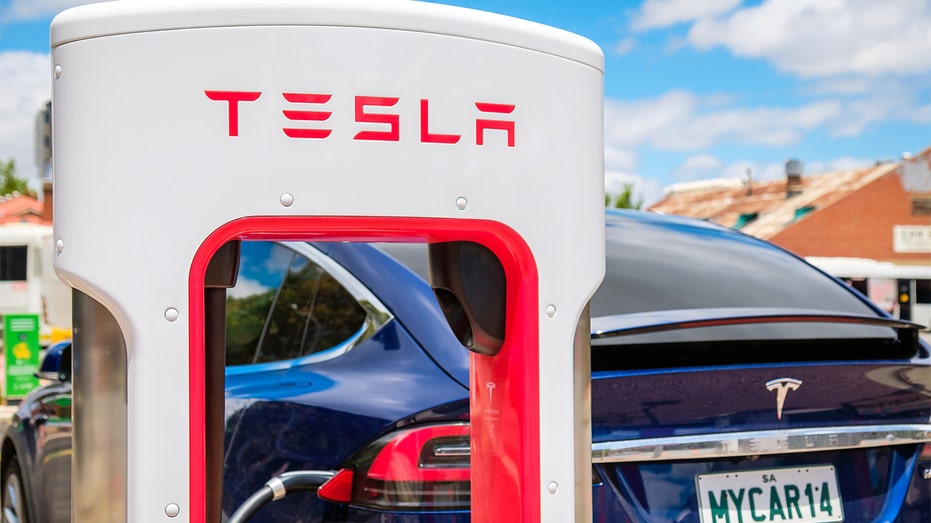
A Belgian road-safety group raised concerns about Tesla’s Full Self-Driving technology after testing the system over roughly 249 miles.(iStock / iStock)
Tesla’s valuation (TSLA, last 380.12, +0.32% on the day this data was last recorded) is heavily predicated on its potential to dominate not just the EV market, but also the future of autonomous mobility. FSD is viewed by many investors as the company’s ultimate competitive differentiator and a key driver of future recurring revenue. Any credible challenge to its safety, reliability, or regulatory path can lead to a re-evaluation of its growth prospects and, consequently, its premium stock multiple. While the company continues to innovate, demonstrated challenges in real-world application, especially concerning safety and regulatory compliance, serve as critical stress tests for its market narrative.
| Ticker | Security | Last | Change | Change % |
|---|---|---|---|---|
| TSLA | TESLA INC. | 380.12 | +1.22 | +0.32% |
FOX Business has reached out to Tesla for comment.
Reuters contributed to this report.
**Market Impact**
The detailed report from Johanna.be concerning Tesla’s Full Self-Driving system introduces a notable headwind for TSLA stock and the broader autonomous vehicle industry. Investors may react with increased caution, potentially leading to volatility or downward pressure on Tesla’s share price as the “priced for perfection” narrative faces tangible real-world challenges. The report’s timing, ahead of a crucial EU-wide vote, elevates regulatory risk, threatening to slow FSD’s international deployment and impact Tesla’s long-term software revenue projections. Furthermore, persistent safety concerns can erode consumer trust, a vital component for mass adoption of autonomous technology, and could lead to increased legal and liability scrutiny across the industry. While Tesla maintains its system is learning, the gap between market expectations and demonstrated performance underscores the immense technical, safety, and regulatory hurdles that all players in the autonomous driving space must overcome, potentially extending timelines and increasing costs for achieving truly widespread self-driving capabilities.