
Key Takeaways:
- Global Regulatory Divergence Poses Market Risks:The South Korean crackdown on Trader Joe’s seasoning underscores the significant challenges multinational brands face in navigating disparate international food and drug regulations, impacting market access, product formulation, and supply chain strategies.
- E-commerce Platforms Face Heightened Scrutiny:Online secondhand marketplaces like Karrot are increasingly on the hook for policing user-generated content, signaling growing regulatory pressure and potential operational costs for digital platforms to ensure compliance.
- Brand Reputation and International Expansion Hurdles:Even for a largely domestic brand like Trader Joe’s, such incidents can create reputational headwinds and highlight the complexities and potential liabilities associated with unofficial international market penetration and global brand perception.
A recent regulatory intervention in South Korea, targeting the ubiquitous American pantry staple Trader Joe’s Everything but the Bagel seasoning, serves as a compelling case study in the intricate and often divergent landscape of international trade regulations. This crackdown, sparked by the detection of “narcotic substances” linked to poppy seeds, illuminates significant challenges for global supply chains, e-commerce platforms, and brand reputation management in an increasingly interconnected, yet legally fragmented, world.
Authorities, specifically the Mapo Police Station in Seoul, have moved to block sales of the popular seasoning on Karrot, a prominent online secondhand marketplace. This decisive action follows an analysis by South Korea’s National Forensic Service, which identified morphine and codeine – both classified as controlled narcotic substances under South Korean law – within the product. While poppy seeds are legally sold and widely consumed in the United States, their classification can differ dramatically across international borders, creating unforeseen trade barriers and legal liabilities for both consumers and entities involved in their distribution, official or otherwise.
The implications of this regulatory stance extend far beyond mere product availability. South Korean police have explicitly stated that travelers are prohibited from bringing the seasoning into the country. More critically for market participants, both buyers and sellers could face criminal charges under the nation’s Narcotics Control Act. This places an onerous burden not just on individual consumers attempting to import or resell popular foreign goods, but also on e-commerce platforms like Karrot, which are now compelled to actively monitor and restrict transactions involving seemingly innocuous items to avoid complicity in illegal trade. This represents a substantial operational challenge and potential cost for platforms that thrive on user-generated content.
Trader Joe’s savory seasoning blend, cherished by consumers for its distinctive mix of sesame seeds, garlic, onion, and sea salt flakes, has fallen afoul of these regulations due to its poppy seed content. While the seeds themselves do not naturally contain opium, the harvesting process can lead to contamination by opium alkaloids. This natural phenomenon, though widely understood in food science and generally accepted in many Western markets, presents a formidable regulatory hurdle when differing national standards and interpretations are applied.
TRADER JOE’S EXPANDS WITH 25 NEW STORES ACROSS 14 STATES IN MASSIVE GROWTH PUSH
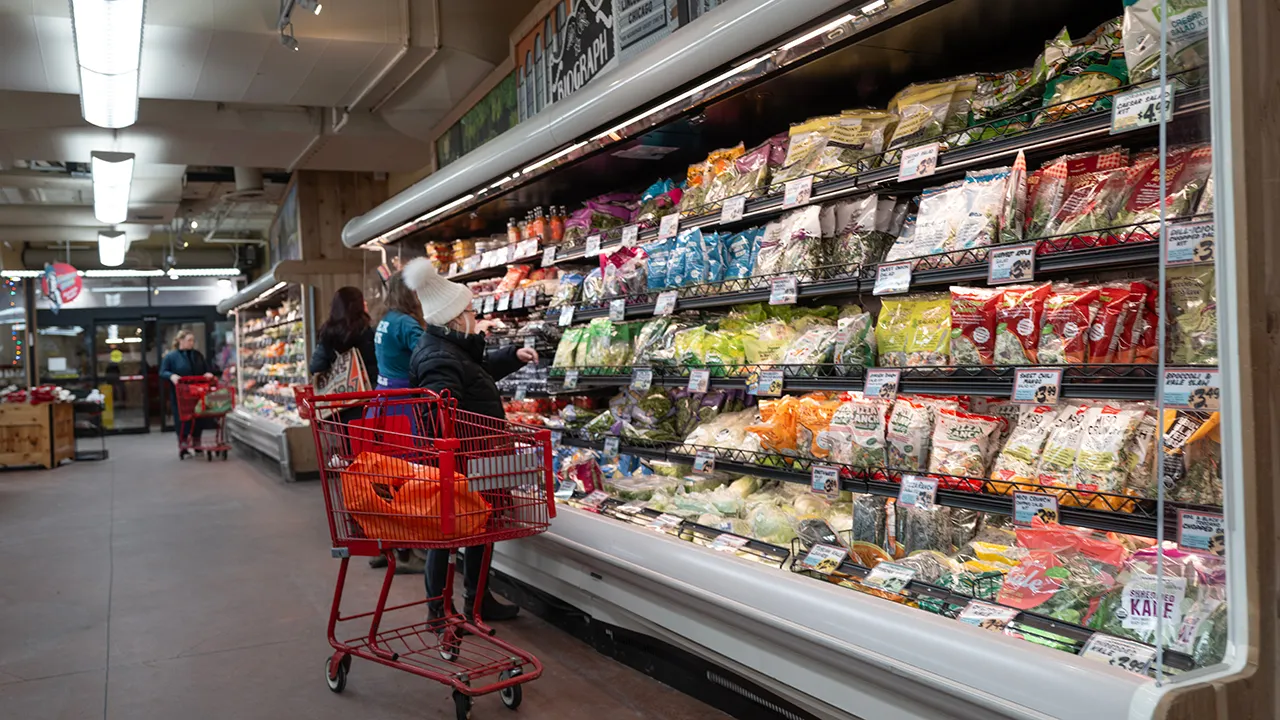
Trader Joe’s Everything but the Bagel seasoning is legally sold in the United States but is prohibited from being brought into South Korea, according to authorities.(Plexi Images/GHI/UCG/Universal Images Group via Getty Images) / Getty Images)
This incident illuminates the profound complexities faced by food manufacturers and retailers operating in a globalized economy. A product perfectly legal and commonplace in one market can become contraband in another, necessitating sophisticated compliance strategies for any company eyeing international expansion. For Trader Joe’s, a brand celebrated for its unique product offerings and strong customer loyalty primarily within the U.S. domestic market, this serves as a stark reminder of the fragmented global regulatory environment. While the company does not have a direct retail presence in South Korea, the viral popularity of its products through unofficial channels and “gray markets” can still lead to international entanglements that bear on its global brand perception and future market considerations, potentially influencing ingredient sourcing and product development for international export.
Investigators believe that many users attempted to sell or trade the seasoning on Karrot without realizing it contained prohibited substances. This highlights a significant consumer awareness gap, where the allure of popular foreign goods often overshadows diligent checks on local import regulations. For platforms like Karrot, this translates into increased operational overhead, requiring greater investment in content moderation, user education initiatives, and potentially advanced AI-driven detection systems to identify and proactively remove problematic listings. Such measures add to the cost of doing business in the digital marketplace and impact profitability.
HIGH BEEF PRICES HITTING CONSUMERS AS MEATPACKING GIANT WARNS OF SUPPLY STRUGGLES
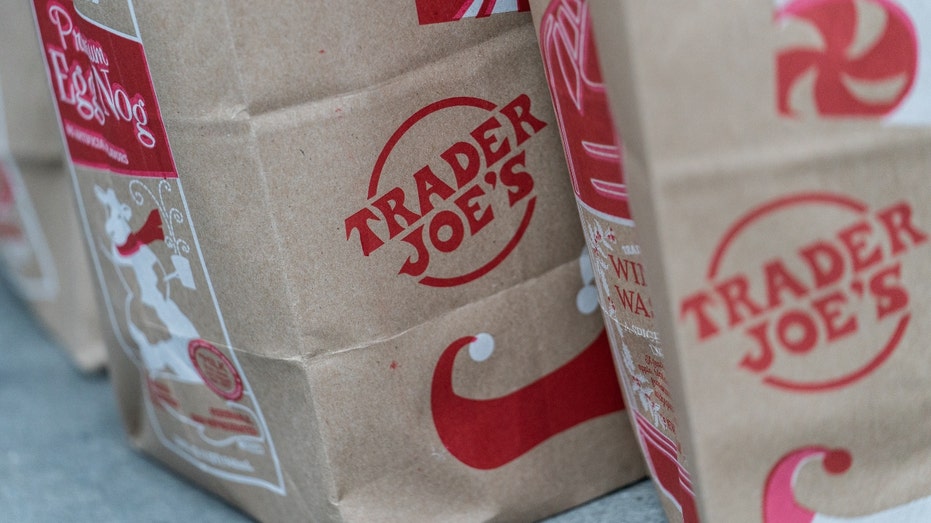
Trader Joe’s Everything but the Bagel seasoning contains poppy seeds, an ingredient that has drawn scrutiny from authorities in South Korea.(Jeenah Moon/Bloomberg via Getty Images / Getty Images)
“Even if a product is legally sold overseas, it may be classified as a narcotic substance or a prohibited import in Korea, so particular caution is required,” a police official stated, according to The Korea Herald. This warning carries significant weight for businesses engaged in international trade, signaling a growing trend of stricter enforcement against non-compliant imports, regardless of the perceived “innocence” of the product. The onus is increasingly on the importer – whether a large corporation with robust legal teams or an individual traveler – to understand and meticulously comply with local statutes, adding layers of risk to international commerce.
Karrot’s swift agreement to restrict transactions involving the seasoning and its removal of related listings since July 27 underscores the increasing pressure on e-commerce platforms to act as frontline regulators. Failure to adequately police content could result in substantial fines, legal action, and significant reputational damage, eroding user trust and market share. This trend of holding digital platforms accountable for content generated by their users is a crucial development in the digital economy, impacting their risk assessments, operational models, and ultimately, their valuation globally.
South Korea’s concerns surrounding poppy seeds are not new, with restrictions on the seasoning reportedly dating back to 2022. This proactive stance reflects a broader international caution regarding opium alkaloids, which extends beyond Asian markets. Further underscoring this global sensitivity, the U.S. Department of Defense issued an advisory in 2023, warning service members to avoid foods containing poppy seeds due to the potential for positive urinalysis results for codeine. This illustrates that while the legal classification may vary by jurisdiction, the chemical reality of poppy seed contamination is a recognized issue across diverse regulatory bodies, setting a precedent for potential scrutiny of other food items containing similar ingredients in different countries.
The lack of public comment from Trader Joe’s, despite FOX Business reaching out for clarification, suggests a cautious approach from the company. While the immediate direct financial impact on a largely domestic brand might seem minimal, the incident could influence future strategic decisions regarding international brand protection, ingredient sourcing for products that might eventually enter global markets, and potential global expansion plans. It’s a powerful reminder that a brand’s reputation, once globalized by popular demand through unofficial channels, requires global vigilance and proactive risk management, regardless of direct market presence.
GET FOX BUSINESS ON THE GO BY CLICKING HERE

South Korean authorities said Trader Joe’s Everything but the Bagel seasoning falls under the country’s narcotics regulations because of concerns involving its poppy seeds.(Scott Olson/Getty Images / Getty Images)
Market Impact
This episode serves as a potent case study for the intricate challenges of operating in a globalized marketplace. For retailers and food manufacturers, it underscores the necessity of granular understanding of international food and drug regulations, which can drastically impact product viability, supply chain logistics, and market access, potentially leading to increased compliance costs or lost revenue opportunities. The crackdown on online secondhand marketplaces further signals a tightening regulatory environment for e-commerce platforms, demanding increased investment in compliance infrastructure, content moderation, and legal oversight to mitigate significant liability risks. Lastly, for brands like Trader Joe’s, incidents involving popular products in foreign jurisdictions, even without direct corporate involvement, can carry substantial reputational weight. This can influence future international expansion strategies, ingredient sourcing decisions to avoid similar pitfalls, and the overall perception of brand safety and compliance on a global scale, highlighting the rising costs and complexities associated with effective global brand management and regulatory adherence in an interconnected world.