
Key Takeaways:
- **Mega-Merger Cleared with Concessions:** A federal judge has approved the $110 billion Paramount-Warner Bros. Discovery merger after a settlement requiring significant domestic film production and investment commitments from the combined entity.
- **Regulatory Scrutiny vs. Industry Consolidation:** The settlement reflects a delicate balance between addressing anti-competitive concerns from states and acknowledging the market’s drive for scale, cost synergies, and global competitiveness in the rapidly evolving media landscape.
- **Stakeholder Divide:** While investors anticipate strategic benefits from increased scale and content libraries, prominent voices like Mark Ruffalo continue to express deep concerns about potential negative impacts on creativity, free speech, and employment within the industry.
Paramount slams actor Mark Ruffalo for invoking antisemitic tropes over the Warner Bros. Discovery merger. Ruffalo fires back, calling the accusations appalling and fundamentally dishonest.
Actor Mark Ruffalo blasted the outcome of the long-running fight over Paramount’s $110 billion acquisition of Warner Bros. Discovery after a federal judge cleared the Hollywood megadeal to move forward Wednesday.
Ruffalo, who had been one of the most vocal Hollywood opponents of the merger, called the outcome “incredibly disappointing.”
“This merger will stifle creativity, weaken free speech, and cost people their jobs – it is a bad deal for this country and should never have been approved,” Ruffalo wrote in a post on X.
“This is an incredibly disappointing outcome for the hundreds of thousands of us who stood up to block it, but it’s also not the end,” he continued. “This grassroots movement isn’t going to fade away and neither is our resolve. This was never about just one merger: this was about fighting back against corrupt oligarch billionaires trampling the interests of everyday people to line their own pockets.”
PARAMOUNT REACHES SETTLEMENT WITH STATES SUING TO BLOCK WARNER BROS DISCOVERY TAKEOVER
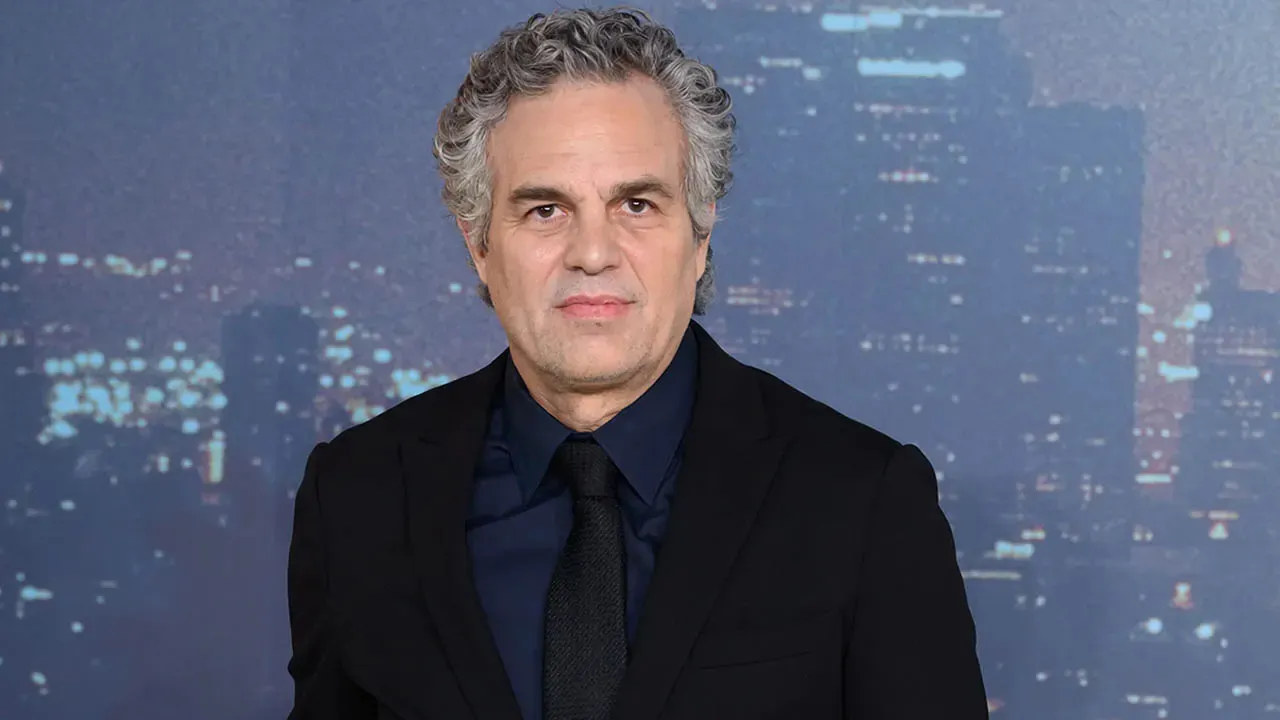
Mark Ruffalo argued that the Paramount-Warner Bros. Discovery merger would “stifle creativity, weaken free speech, and cost people their jobs” after a federal judge cleared the deal to move forward.(Karwai Tang/WireImage / Unknown)
“We’re still in that fight,” he added. “Join us.”
A federal judge on Wednesday issued an order allowing Paramount to close its acquisition of Warner Bros. Discovery, clearing the way for the historic Hollywood merger to move forward.
U.S. District Judge Araceli Martínez-Olguín called the deal a “reasonable factual and legal resolution” while rejecting objections seeking broader restrictions.
The order came after Paramount and a California-led coalition of 12 state attorneys general, which had sued to block the acquisition, reached a settlement.
California Attorney General Rob Bonta, who led the coalition, previously said the combined company made an “enforceable commitment to significantly increase domestic production.”
MARK RUFFALO URGES CALIFORNIA AG ROB BONTA NOT TO ‘CAVE’ IN PARAMOUNT-WARNER BROS MERGER FIGHT
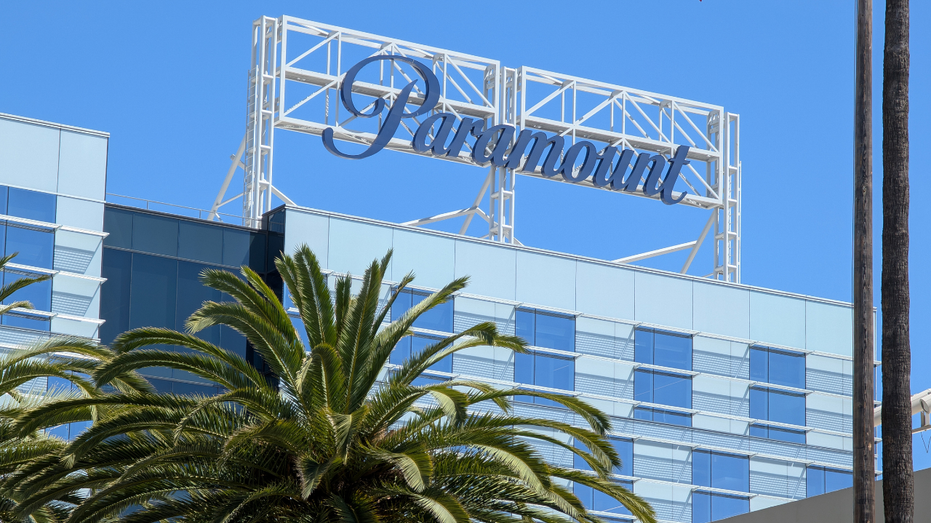
The Paramount Studios sign in Los Angeles, California, on April 23, 2026.(Noah Suave / Getty Images)
Under the settlement, the company committed to releasing at least 30 movies annually in each of the first two years, followed by 32 movies per year over the next three years. At least four films each year must be independent releases.
Paramount also agreed to spend at least an additional $1.5 billion on U.S. film production over five years compared with its 2025 spending levels, according to Bonta’s office.
Paramount and Warner Bros. Discovery are expected to close the deal Oct. 6, according to Reuters.
Just days before the settlement was announced, Ruffalo had publicly pressured Bonta not to settle.
“Don’t you dare @AGRobBonta, do not cave,” Ruffalo posted on X.
GET FOX BUSINESS ON THE GO BY CLICKING HERE
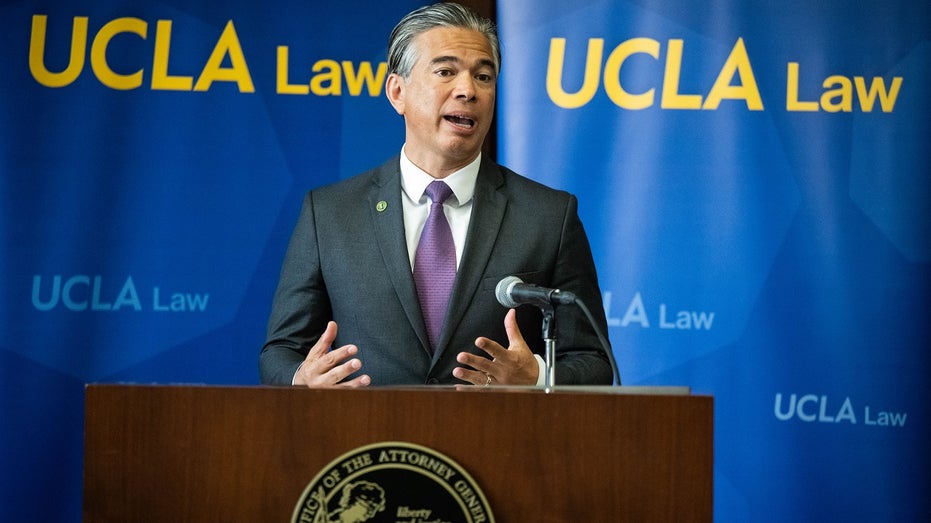
California Attorney General Rob Bonta led a coalition of 12 state attorneys general that sued to block Paramount’s acquisition of Warner Bros. Discovery before reaching a settlement with the company.(Photo by Sarah Reingewirtz/MediaNews Group/Los Angeles Daily News via Getty Images / Getty Images)
In July, the states sued to block the deal, arguing it would reduce competition and give the combined company excessive market power in film distribution and basic cable programming. The settlement announced Sept. 21 resolved those claims, according to Bonta’s office.
The federal judge’s clearance of the $110 billion Paramount-Warner Bros. Discovery merger marks a pivotal moment in the ongoing consolidation of the entertainment industry. While actor Mark Ruffalo’s impassioned opposition highlights deep-seated concerns among some creatives and activists about market monopolization, Wall Street largely views such megadeals as essential for survival and growth in a fractured media landscape dominated by a few tech giants and established players. The ability to aggregate vast content libraries, achieve significant cost synergies, and command greater leverage in advertising and distribution is increasingly seen as a prerequisite for competing effectively in a global, streaming-first environment.
Ruffalo’s criticism, warning of stifled creativity, weakened free speech, and job losses, resonates with a broader sentiment regarding the impact of corporate consolidation on artistic integrity and labor markets. His argument that “corrupt oligarch billionaires” are trampling the interests of everyday people underscores the tension between pure economic efficiency and broader societal concerns. From a market perspective, however, the drive for scale is often framed as a necessity to generate the billions of dollars required to produce blockbuster films, high-quality series, and live sports – content that consumers increasingly demand across multiple platforms. This economic reality often clashes with the creative community’s desire for diverse, independent voices and fair compensation.
The settlement reached with the California-led coalition of attorneys general provides a glimpse into the regulatory framework attempting to mitigate these competitive concerns. By mandating a specific number of annual film releases (30-32 over five years, including at least four independent films) and committing an additional $1.5 billion to U.S. film production, regulators aim to ensure that the combined entity does not drastically reduce output or stifle independent cinema. These commitments, termed an “enforceable commitment” by Attorney General Rob Bonta, are designed to preserve a baseline level of domestic content creation and foster a degree of competition in the production sector. For investors, these concessions are likely viewed as a manageable cost of doing business, rather than a significant impediment to the merger’s overall strategic value.
The strategic rationale behind this merger is multifold. Both Paramount and Warner Bros. Discovery face immense pressure from the rapid migration of audiences from traditional linear television to streaming services. Combining forces allows them to pool intellectual property, optimize content licensing, and potentially consolidate their streaming offerings (e.g., Paramount+ and Max). This scale is critical for competing with industry behemoths like Netflix, Disney+, and Amazon Prime Video, which boast massive subscriber bases and even larger content budgets. Furthermore, both companies carry substantial debt, and the merger promises opportunities for significant cost-cutting through redundancies in corporate functions, content production, and distribution networks, potentially freeing up capital for debt servicing or future investments in high-growth areas.
However, the path post-merger is not without its challenges. Integrating two large, complex organizations with distinct corporate cultures, technological infrastructures, and content strategies presents considerable operational risks. Managing potential overlaps in subscriber bases and avoiding cannibalization between their respective streaming platforms will require shrewd strategic planning. Additionally, the combined entity will still face intense global competition and the ongoing need to innovate content models to retain and attract subscribers in an increasingly saturated market. The focus will now shift to how effectively the new leadership can execute on synergy targets, manage the substantial debt load, and deliver a compelling, integrated content offering that resonates with a broad global audience.
FOX Business’ Brian Flood and Reuters contributed to this report.
Market Impact:
The approval of the Paramount-Warner Bros. Discovery merger signals a continued trend towards consolidation in the media and entertainment sector, with immediate implications for investors and the broader industry. Wall Street will be closely monitoring the new entity’s ability to achieve projected cost synergies, effectively integrate its vast content libraries and streaming platforms, and aggressively tackle its considerable debt. For the competitive landscape, this creates an even larger player, potentially prompting further M&A activity among mid-tier companies seeking scale. While the mandated production commitments may offer some comfort to content creators and regulators, the combined company’s increased leverage in talent negotiations, distribution, and advertising sales could reshape market dynamics. The success or failure of this megadeal will set a significant precedent for future regulatory oversight of large-scale media mergers, balancing the industry’s push for efficiency against concerns over market power and creative diversity.