
Russian Embassy Warns UK Over Alleged Drone Supplies to Ukraine, Escalating Tensions
The Russian Embassy in London has issued a formal warning that Britain will face consequences for allegedly supplying drones used by Ukraine in strikes against targets inside Russian territory. In a statement, the embassy accused the United Kingdom of deliberately escalating the ongoing conflict.
According to the embassy’s communication, reports suggesting that Ukraine is employing British-made drones for attacks deep within Russian borders serve as confirmation that London is “deliberately opting for an escalation of the Ukraine crisis, while hypocritically professing a desire for peace.” The statement, posted on the embassy’s official Telegram channel, represents a significant diplomatic broadside.
The embassy further asserted that, through its actions, the United Kingdom is “acting as an accomplice and co-perpetrator of the bloody crimes and terrorist attacks committed by Ukrainian neo-Nazis, seeking to contain Russia and inflict maximum damage on it by proxy.” It concluded with a stark warning: “London’s actions will inevitably carry consequences for which it will have to answer. The deeper its involvement in the conflict and the greater its support for Kiev’s terrorist machinery, the higher the price it will pay.” These accusations align with broader Russian narratives that characterize the Ukrainian government as neo-Nazi and Western support as a proxy war aimed at Russia’s weakening.
In response to the Russian accusations, the UK government reaffirmed its steadfast support for Ukraine. The UK Prime Minister, when asked during a visit to Wolverhampton, stated, “This is the UK doing what it has long said it would do, which is to support Ukraine 100% against this illegal war led by Vladimir Putin.” The Prime Minister emphasized the defensive nature of this assistance, adding, “We are providing support so that Ukraine can defend itself, and that’s been the British position all the way through this conflict by previous prime ministers. It remains the case with me. We are not fair-weather friends. We will be there in Ukraine’s hour of need, and that won’t change.”
The Ministry of Defence had previously issued a similar statement, asserting that Britain “stands shoulder to shoulder with Ukraine and is committed to providing the equipment Ukraine needs to defend itself against Putin’s illegal invasion.” These statements collectively underscore the UK’s consistent policy of military aid to Ukraine, framed as essential for self-defence against an unprovoked aggression.
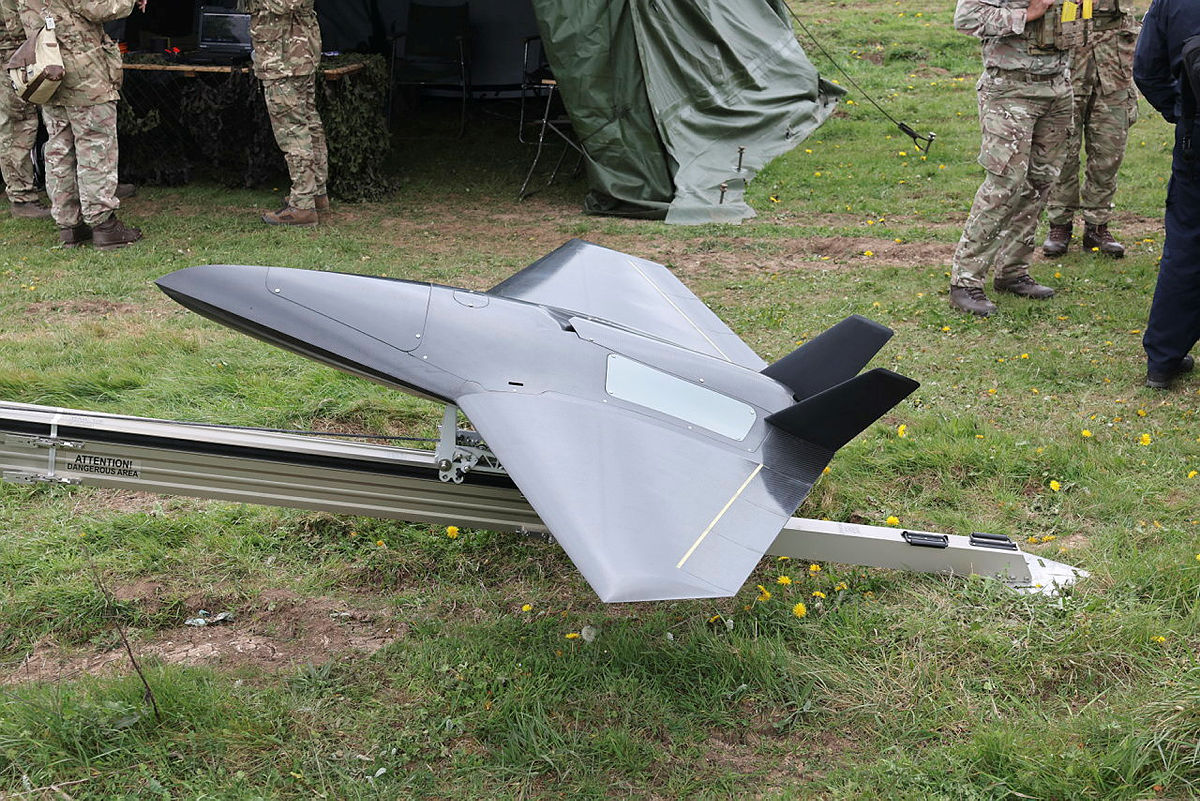
The Russian embassy’s statement followed media reports, specifically in the Sunday Times, which indicated that Ukraine had utilized drones manufactured by two British companies as part of its expanding deep strike campaign. While the specific details of these alleged drone transfers are not publicly confirmed by the UK government, which typically refrains from detailing specific military aid for operational security reasons, the reports appear to have been the catalyst for Moscow’s diplomatic reaction.
Ukraine has indeed intensified its long-range strike operations against targets within Russian territory throughout the current year. These attacks, often involving drones and missiles, have focused on key strategic assets such as military industry facilities, oil refineries, and logistics infrastructure. Data compiled by the conflict monitor Acled suggests a significant increase in such strikes, with Ukraine reportedly launching three times as many attacks in July compared to January. This campaign aims to disrupt Russia’s war effort by targeting its logistical supply lines, reducing its capacity for military production, and imposing economic costs.
The expanded reach of Ukrainian strikes has compelled Russia to reallocate and spread its air defence assets across a much larger geographical area, potentially creating vulnerabilities in other sectors. Among the reported targets was a distribution depot belonging to Wildberries, Russia’s largest online retailer. This particular approach appears designed to impact revenue streams that could indirectly fund the war effort and to bring the effects of the conflict closer to the Russian civilian population. A recent strike last week reportedly hit a Wildberries logistics hub at Koledino in the Podolsk district, approximately 25 miles south of the Kremlin, in an incident that the regional governor described as one of the most significant attacks in recent memory.
In response to these increased Ukrainian operations, the Russian defence ministry claimed on a recent Saturday that its forces had successfully shot down 598 Ukrainian drones across 19 Russian regions, as well as over the Black and Azov Seas and Crimea. These claims, common during wartime, are often difficult to independently verify.
It is important to note that warnings of this nature from the Russian Embassy in London are not unprecedented and form part of a broader pattern of diplomatic exchanges between the two nations since the full-scale invasion of Ukraine. The mission has issued comparable statements in recent weeks concerning British sanctions, cyber measures, and even remarks made by sports officials. Moscow had previously made similar accusations in 2022 regarding alleged British involvement in a drone attack on its Black Sea Fleet at Sevastopol, claims that Britain unequivocally rejected at the time.
Neither of the two British companies reportedly named in the media investigation has made any public comments on the matter. Furthermore, the UK government maintains its policy of not routinely confirming the specific military systems it supplies to Ukraine, citing national security and operational effectiveness.
Why This Matters
This diplomatic exchange between Russia and the United Kingdom underscores several critical aspects of the ongoing conflict in Ukraine and its broader international implications:
- Escalation of Tensions:The Russian embassy’s explicit warning about “consequences” and a “higher price” for British involvement represents a direct threat, even if largely rhetorical. It highlights the increasingly confrontational nature of UK-Russia relations, driven by Britain’s substantial military and financial support for Ukraine. Such warnings, while common, keep the risk of further escalation a constant concern.
- Evolving Nature of Warfare:Ukraine’s expanded deep strike campaign into Russian territory signifies a shift in its military strategy. By targeting Russian logistics, industrial capacity, and even civilian-linked infrastructure (with potential military applications), Ukraine aims to disrupt Russia’s war machine, impose economic costs, and stretch Russia’s air defence capabilities. This strategy seeks to bring the realities of the conflict closer to the Russian population, potentially impacting morale and public support for the war.
- Western Support Under Scrutiny:The allegations regarding British-made drones directly link Western military aid to Ukraine’s offensive actions inside Russia. This reinforces Russia’s narrative of a “proxy war” and puts Western nations, particularly those like the UK that are major arms suppliers, under diplomatic pressure. It also fuels debates within allied nations about the acceptable limits and types of military assistance provided to Ukraine.
- Information Warfare and Propaganda:Both sides utilize official statements and media reporting as part of their information warfare strategies. The Russian embassy’s accusations of “bloody crimes” and “neo-Nazis” are consistent with Moscow’s efforts to delegitimize the Ukrainian government and discredit Western support. Conversely, the UK’s emphasis on “defensive support” and “illegal invasion” aims to frame its actions as morally justifiable and in line with international law.
- Impact on Diplomatic Relations:The repeated accusations and counter-accusations further cement the deeply antagonistic relationship between Russia and the UK. With diplomatic channels already severely strained, such exchanges reduce the likelihood of any de-escalation or constructive dialogue in the foreseeable future. The continued lack of transparency from the UK on specific weapon systems also adds another layer of complexity to these interactions.
- Global Security Implications:The willingness of a major NATO power like the UK to provide advanced military technology that could be used for strikes deep within Russia raises questions about the long-term implications for European and global security. It tests red lines and contributes to a heightened sense of unpredictability in international relations.